
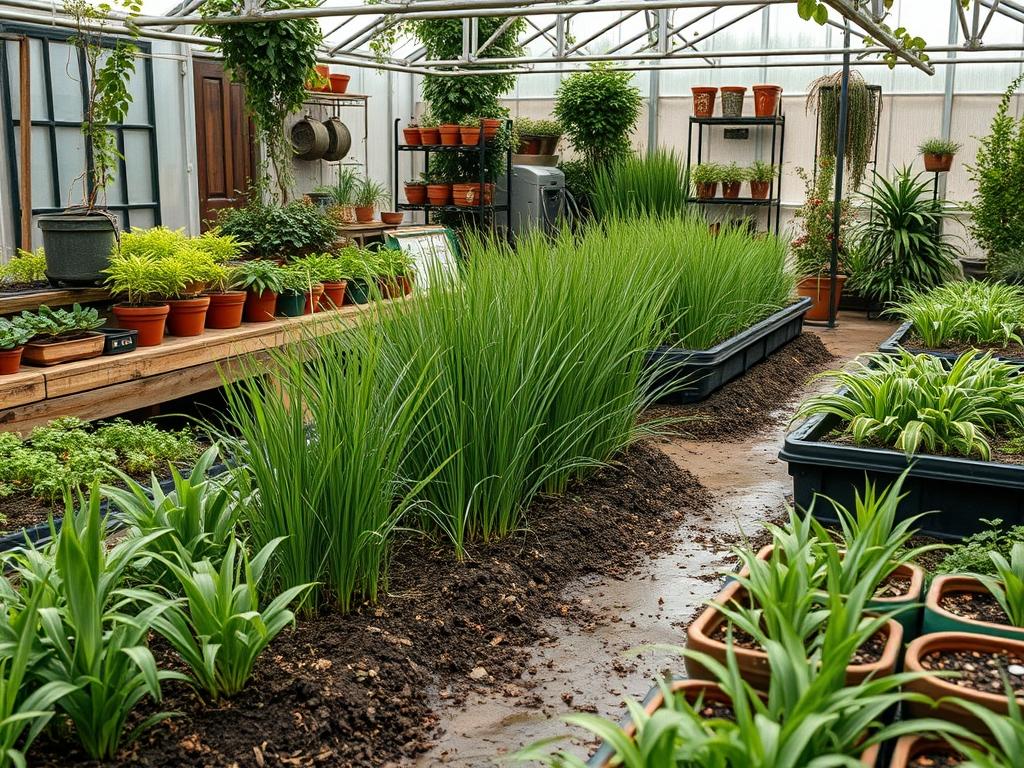
Designing a landscape that evokes emotion requires more than static arrangements of shrubs and perennials. While many homeowners focus on color or bloom cycles, professional landscape architects often prioritize the overlooked element of movement. Ornamental Grass Textures provide the kinetic energy necessary to transform a rigid garden into a living environment that responds to the slightest breeze. In regions with frequent wind or coastal gusts, these plants act as visual barometers, translating invisible currents into graceful swaying motions. This dynamic quality enhances curb appeal by adding a layer of sophistication that traditional hedges cannot match. Beyond aesthetics, the use of grasses addresses critical outdoor functionality goals. They offer privacy screening without the heavy, claustrophobic feel of a solid wall. They also provide habitat for local wildlife and architectural interest during the bleakest months of winter. Integrating these textures effectively requires a deep understanding of site conditions, wind patterns, and the specific growth habits of different species.
Landscape Design Principles
Successful garden planning relies on the balance between structure and fluidity. In a landscape dominated by hardscaping, such as Granite Pavers or Concrete Retaining Walls, ornamental grasses serve as the essential softening agent. We utilize symmetry to create formal entrances, often flanking a driveway with upright grasses like Karl Foerster Feather Reed Grass. This creates a sense of rhythm and repetition that guides the eye toward the home. Conversely, for a more naturalistic meadow aesthetic, we employ asymmetrical clusters that mimic wild grasslands. Focal points are established by selecting specimen grasses with significant height or unique seed heads, such as Ravenna Grass, which can reach heights of 10 feet.
Elevation layering is a primary technique used to ensure every plant receives adequate sunlight and visibility. We typically arrange the landscape in three tiers. The foreground consists of low-growing mounded textures, the midground features medium-height flowering perennials and grasses, and the background incorporates tall screening varieties. To maintain visual balance, it is crucial to consider the “transparency” of the grass. Some species are dense and opaque, while others, like Purple Moor Grass, feature airy panicles that allow the viewer to see through them to the plants behind. Walkway design also plays a role. We suggest planting finer textures like Mexican Feather Grass near paths where the soft blades can brush against the shins of pedestrians, enhancing the sensory experience. Finally, irrigation planning must be integrated into the design phase. We group plants by hydrozones to ensure that drougth-tolerant grasses are not overwatered by systems designed for thirsty turf or floral beds.
Plant and Material Selection
Selecting the right species involves matching the plant’s physiological needs with the microclimates of the property. Below is a guide for common selections used in high-movement landscape designs.
| Plant Type | Sun Exposure | Soil Needs | Water Demand | Growth Speed | Maintenance Level |
| :— | :— | :— | :— | :— | :— |
| Blue Fescue | Full Sun | Well-drained | Low | Moderate | Very Low |
| Pink Muhly Grass | Full Sun | Sandy/Lean | Low | Moderate | Low |
| Switchgrass | Full Sun/Part Shade | Adaptable | Moderate | Fast | Low |
| Japanese Forest Grass | Shade/Part Shade | Humus-rich | High | Slow | Moderate |
| Little Bluestem | Full Sun | Poor/Rocky | Very Low | Moderate | Low |
| Maiden Grass | Full Sun | Fertile/Moist | Moderate | Fast | Moderate |
In addition to the plants themselves, material selection for the surrounding area is vital. We recommend using 3/4-inch Crushed Stone or Double-shredded Hardwood Mulch to provide a clean backdrop that highlights the fine textures of the foliage. For structural support, Steel Landscape Edging provides a crisp line that prevents invasive stolons from creeping into nearby turf or flower beds.
Implementation Strategy
The transition from a design plan to a physical garden requires precise execution. The process begins with site grading. Proper grading ensures that water flows away from the home’s foundation and prevents pooling in the root zones of the grasses. Most ornamental species hate “wet feet,” so establishing a 2 percent slope or installing a French Drain may be necessary in heavy clay soils. Once the site is graded, we mark the layout using Landscaping Marking Paint. This allows the client to visualize the spacing before any holes are dug.
When planting, we excavate holes that are twice as wide as the root ball but no deeper. This encourages lateral root growth into the surrounding native soil. After the plants are in the ground, we apply a 3-inch layer of organic mulch. This mulch serves three purposes: it suppresses weeds, regulates soil temperature, and retains moisture during the establishment phase. For larger installations, we often incorporate hardscaping elements like Natural Boulders or Timber Steps. These heavy masses provide a visual anchor for the airy grasses. Drainage is also managed through the use of Permeable Pavers in adjacent seating areas, which allows rainwater to infiltrate the ground and nourish the root systems of the nearby vegetation.
Common Landscaping Failures
The most frequent mistake in ornamental grass design is improper spacing. Homeowners often plant for the size of the nursery pot rather than the mature width of the species. Overcrowding leads to poor airflow, which increases the risk of fungal diseases and causes the centers of the plants to rot out prematurely. Another critical failure involves drainage. When grasses are planted in low spots without proper soil amendments, such as Perlite or Coarse Sand, the roots suffocate in compacted, anaerobic soil.
Soil compaction is a hidden killer in new construction landscapes. Heavy machinery often leaves the subsoil as hard as concrete, making it impossible for grass roots to penetrate deeply. Breaking up this “hardpan” layer with a Power Tiller or Subsoil Ripper is essential before planting. Additionally, many gardeners fail to account for the “flop” factor. Certain tall grasses, if given too much fertilizer or water, will grow too quickly and collapse under their own weight. This eliminates the upright architectural form and results in a messy appearance. Choosing site-appropriate Native Plants usually mitigates this issue, as they are adapted to local soil fertility levels and do not require excessive supplementation.
Seasonal Maintenance
Managing a landscape of ornamental grasses follows a predictable seasonal rhythm. In the spring, before new growth emerges, it is time for the annual cut-back. We use Gas-powered Hedge Trimmers or Heavy-duty Garden Shears to remove the previous year’s dead foliage. For most species, cutting the stalks down to a height of 4 to 6 inches above the ground is ideal. This allows sunlight to reach the crown and stimulates fresh green shoots.
During the summer, maintenance is minimal. This is the peak season for movement. We monitor the Irrigation System to ensure emitters are not clogged and that the water is reaching the root zone rather than the foliage. In the autumn, many grasses transition into vibrant shades of gold, orange, or purple. The seed heads, or inflorescences, emerge during this time. We recommend leaving these intact through the winter. They provide essential food for birds and create a “winter interest” skeleton that catches the snow and continues to move in the wind. Winter maintenance is largely observational. We check for “frost heaving,” where the freeze-thaw cycle pushes newly planted grasses out of the ground. If this occurs, we gently firm them back into the soil and add an extra inch of Bark Mulch for insulation.
Professional Landscaping FAQ
How do I choose the right grass for a small patio?
Focus on clumping, non-invasive species like Blue Fescue or Dwarf Fountain Grass. These varieties maintain a compact footprint of under 18 inches, providing texture and movement without overwhelming the limited square footage of an intimate outdoor living area.
Will ornamental grasses attract pests to my home?
Most ornamental grasses are deer-resistant and pests-resistant due to their high silica content. While they provide cover for beneficial insects and birds, they do not typically attract problematic house pests. Proper spacing ensures airflow, which keeps mosquito populations minimal.
Can I use these grasses for erosion control on a slope?
Yes. Species with deep fibrous root systems, such as Little Bluestem or Prairie Dropseed, are excellent for stabilizing soil. Their roots bind the earth together, while their dense foliage breaks the impact of heavy rain on the hillside.
How often should I divide my ornamental grasses?
Most varieties require division every 3 to 5 years. When you notice the center of the clump looks dead or hollow, use a Sharpened Spade to lift the plant in early spring and cut it into smaller, healthy sections.
Do ornamental grasses require heavy fertilization?
Generally, no. Most species thrive in lean soil and excessive nitrogen can cause them to become weak and floppy. A light application of Slow-release Organic Fertilizer in early spring is usually more than enough to sustain healthy growth for the year.