
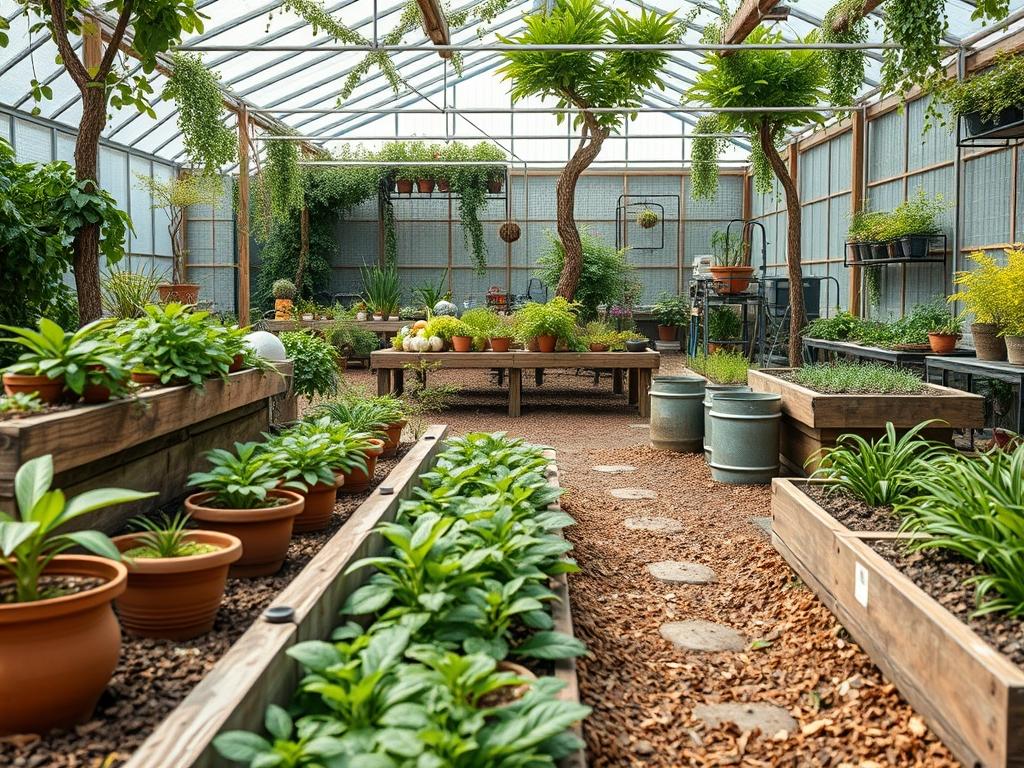
Modern landscape architecture is shifting away from purely aesthetic ornamentation toward a deeper, more functional connection between humans and the natural world. This transition is best encapsulated by Biophilic Garden Design, an approach that acknowledges our well-being is intrinsically linked to biological systems. When we design a garden with mental health in mind, we are not just planting flowers; we are engineering an ecosystem that reduces cortisol and promotes cognitive restoration. The challenge for any property owner lies in balancing these psychological needs with the physical realities of the site, such as soil quality, climate volatility, and topographic constraints. A well executed plan must account for seasonal shifts, ensuring the space remains a sanctuary whether the mercury rises in July or drops below freezing in January. Beyond the internal benefits, a biophilic space significantly enhances curb appeal by replacing sterile, high maintenance lawns with lush, layered textures that feel organic rather than manufactured. Success depends on the seamless integration of outdoor living goals, such as privacy and functionality, with the raw, restorative power of diverse plant life.
Landscape Design Principles
To create a garden that truly resonates with the human psyche, one must employ specific design principles that mirror natural patterns. Symmetry often feels too formal and rigid for a biophilic space, so landscape architects typically favor a balanced asymmetry. This mimics the organized chaos of a forest clearing, providing a sense of discovery. A central focal point, such as a large Basalt Fountain or an ancient Specimen Tree, serves as an anchor for the eye, preventing the space from feeling cluttered. We also utilize the concept of prospect and refuge. This involves creating open vistas where one can see across the garden, paired with private, enclosed seating areas protected by Retaining Walls or dense shrubbery. These sheltered spots offer a sense of safety, which is a fundamental requirement for mental relaxation.
Elevation plays a critical role in adding depth and interest to a flat lot. By using Clean Fill Dirt and Natural Stone to create tiered garden beds, we introduce layers that mimic a woodland edge. This allows for the installation of an overstory, a midstory, and a groundcover layer, maximizing the green volume within a limited footprint. Movement through the space should be deliberate and intuitive. We design Walkways using Flagstone or Crushed Granite, ensuring they curve gently rather than following harsh, ninety degree angles. This rhythm encourages a slower walking pace, inviting the user to notice the subtle details of the foliage. Finally, Irrigation Planning must be invisible yet effective. A hidden Drip Irrigation System ensures that the lushness is maintained without the distracting sight of oscillating sprinklers.
Plant and Material Selection
Selecting the right components for a biophilic garden requires a marriage of ecology and aesthetics. The following table outlines several essential species and materials suited for a diverse, resilient landscape.
| Plant Type | Sun Exposure | Soil Needs | Water Demand | Growth Speed | Maintenance Level |
| :— | :— | :— | :— | :— | :— |
| White Oak | Full Sun | Well-Drained | Moderate | Slow | Low |
| Purple Coneflower | Full Sun | Loamy/Dry | Low | Fast | Low |
| Japanese Maple | Part Shade | Rich/Moist | Moderate | Medium | Moderate |
| Switchgrass | Full Sun | Versatile | Low | Fast | Low |
| Christmas Fern | Full Shade | Moist/Humus | Moderate | Medium | Low |
| Creeping Thyme | Full Sun | Sandy/Rocky | Low | Fast | Low |
| River Birch | Sun/Part Shade | Wet/Acidic | High | Fast | Moderate |
In addition to plants, the material palette should prioritize tactile, organic textures. Use Cedar for fencing or pergolas, as the natural scent and weathering properties develop a beautiful patina over time. For hardscaping, River Rocks and Boulders provide structural weight and help manage water runoff.
Implementation Strategy
The transition from a blueprint to a living garden begins with rigorous site preparation. The first step is Grading. You must ensure that the land slopes away from the home foundation at a rate of at least 2 percent to prevent water intrusion. Once the slope is established, we address Drainage by installing French Drains or dry creek beds in low lying areas where water tends to pool. This infrastructure is vital; without it, the roots of your new plants will suffocate in anaerobic soil. After the heavy machinery has finished the rough grade, we define the beds using Steel Edging or Belgium Block. This creates a crisp boundary that prevents turf grass from migrating into the planting zones.
Next comes the soil amendment phase. Most residential plots suffer from heavy compaction. Use a Tiller to break up the subsoil and integrate Organic Compost to a depth of 8 inches. When placing your plants, follow the spacing recommendations strictly, as overcrowding leads to fungal issues and stunted growth. Once the plants are in the ground, apply a layer of Hardwood Mulch at a depth of 3 inches. This serves three purposes: it suppresses weeds, retains moisture for the root balls, and eventually breaks down to feed the soil. The final touch is the installation of the Low-Voltage Lighting System. Use warm tones to highlight the texture of tree bark and the movement of ornamental grasses, extending the garden’s therapeutic utility into the evening hours.
Common Landscaping Failures
Even the most well intentioned Biophilic Garden Design can fail if technical details are ignored. The most frequent error is improper Drainage management. Homeowners often install beautiful plants in a basin without realizing that excess water will rot the root systems within a single season. Another critical failure is root overcrowding. It is tempting to plant for immediate impact, but if you do not account for the mature width of a Spruce Tree or a Hydrangea, they will eventually compete for nutrients and light, leading to a thin, sickly appearance. This often results in the death of the smaller, understory plants.
Soil compaction is a silent killer in new constructions. Heavy equipment used during building packs the earth so tightly that roots cannot penetrate the soil, and water simply runs off the surface. If you do not mechanically aerate the ground before planting, your garden will struggle regardless of how much fertilizer you apply. Lastly, Irrigation inefficiencies often undermine a project. Over-watering is just as damaging as under-watering. Relying on a fixed timer without a Rain Sensor can lead to waterlogged soil during wet springs, which invites pathogens and pests to thrive.
Seasonal Maintenance
To keep a biophilic sanctuary functioning at its peak, one must adhere to a disciplined seasonal schedule. In the spring, the focus is on renewal. Use Pruning Shears to remove dead wood from trees and cut back ornamental grasses before new growth emerges. This is also the ideal time to refresh your Mulch and apply a slow release, organic fertilizer to support the upcoming growing season. As summer arrives, the priority shifts to Irrigation monitoring. During periods of extreme heat, deep watering in the early morning is essential to prevent wilting and heat stress. Monitor for invasive species that may try to outcompete your Native Plants.
Autumn is the season for preparation and soil health. Instead of removing every fallen leaf, consider shredding them with a Mower to create a natural leaf mold that protects the soil over winter. This is also the best time to plant new deciduous trees, as the cooler temperatures allow roots to establish without the stress of high transpiration. During the winter, maintenance is largely structural. Inspect Retaining Walls for shifts caused by freeze-thaw cycles and ensure that heavy snow is gently brushed off the limbs of evergreen shrubs to prevent breakage. Winter is also the time to clean and sharpen your Hand Tools, ensuring you are ready for the spring cycle to begin again.
Professional Landscaping FAQ
How does Biophilic Garden Design differ from traditional landscaping?
Traditional landscaping often focuses on visual order and status. Biophilic design prioritizes the human-nature connection, using sensory elements, natural flow, and ecological diversity to improve mental health while providing a functional, thriving habitat for local wildlife and homeowners alike.
What is the best way to handle poor drainage in a garden?
The most effective solution is installing a French Drain or a rain garden. These systems redirect excess surface water into the ground or away from the property, preventing soil erosion and protecting plant roots from becoming waterlogged and rotting.
Can I create a biophilic garden in a very small space?
Yes, biophilic principles scale easily. Use vertical elements like Cedar Planters and wall-mounted greenery to maximize leaf area. Focus on high-impact sensory plants like Lavender and incorporate a small, recirculating water feature to provide the soothing sound of moving water.
Why is using native plants so important for mental health?
Native Plants require less chemical intervention and attract local birds and butterflies. Observing a vibrant, active ecosystem provides a sense of connection to the local environment, which has been shown to reduce stress and improve overall mood and focus.
How much mulch is actually necessary for a new garden bed?
A depth of 3 inches is the industry standard. This thickness is sufficient to block sunlight from reaching weed seeds and to insulate the soil against temperature fluctuations, without being so deep that it prevents oxygen from reaching the root zone.