
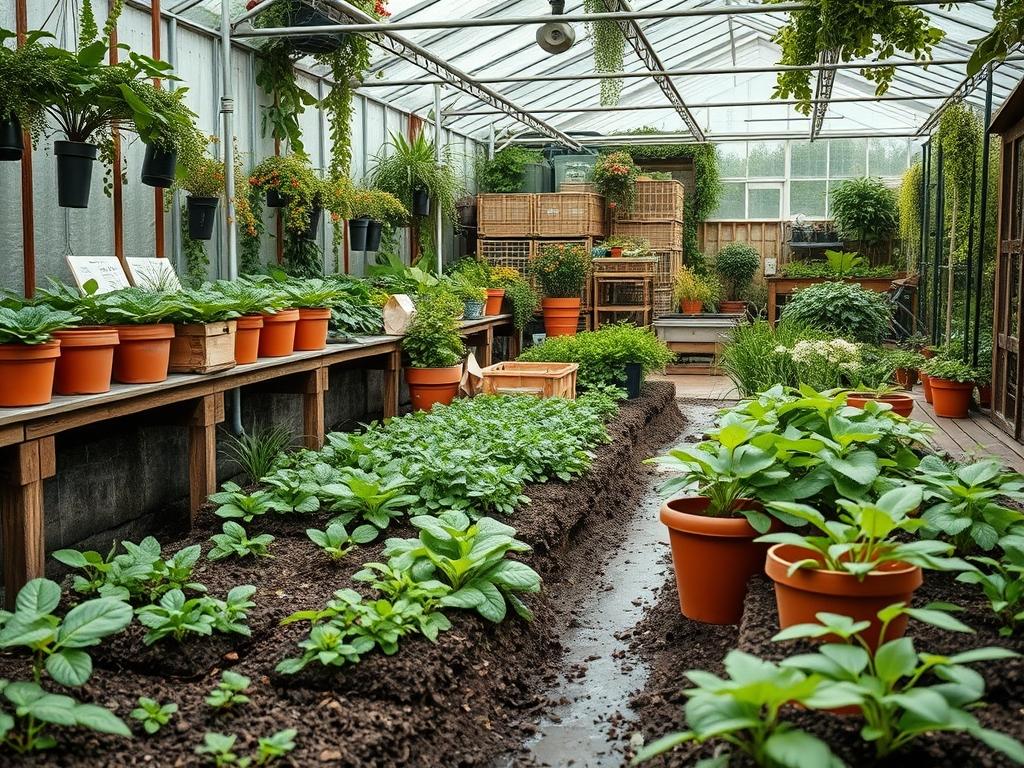
Modern homeowners are increasingly recognizing that a yard is more than just a decorative perimeter for a building. In the current environmental climate, traditional landscaping often relies on excessive water consumption, synthetic fertilizers, and high-maintenance turf that offers little ecological value. Eco-conscious landscaping shifts this paradigm by treating the property as a functional ecosystem. This approach prioritizes resilience, resource conservation, and local biodiversity while simultaneously increasing property value. A well-executed sustainable design can reduce utility costs by providing natural insulation through strategic shade and windbreaks. Furthermore, curb appeal in the modern market is no longer defined by a monochromatic green lawn, but by the texture, depth, and character of a landscape that feels integrated with its natural surroundings. The goal is to create a space that functions perfectly for human enjoyment while demanding fewer inputs and providing greater environmental returns.
Landscape Design Principles
Successful design begins with the concept of visual balance and spatial organization. Symmetry often lends a formal, traditional feel to a property, where mirrored plantings flank a central walkway. However, asymmetrical balance is frequently more effective in eco-conscious landscaping because it mimics the natural distribution of flora. By using focal points, such as a large Specimen tree or a sculptural stone feature, you can direct the eye and create a sense of intentionality. Focal points prevent the landscape from looking chaotic, even when utilizing the wilder growth patterns of native species.
Elevation layers are critical for creating depth and interest. A professional architect considers the ground cover, the shrub layer, the understory, and the canopy. This vertical layering reflects a natural forest edge, which is the most biodiverse type of ecosystem. Implementation involves using Retaining walls to manage slopes and prevent erosion, which also allows for the creation of distinct planting pockets. Irrigation planning must happen during the design phase rather than as an afterthought. We utilize hydrozoning, which is the practice of grouping plants with similar water requirements together to avoid overwatering drought-tolerant species.
Walkways serve as the circulatory system of the garden. Instead of poured concrete, we recommend Permeable pavers or Crushed limestone. These materials allow rainwater to infiltrate the soil, recharging the local water table and reducing runoff. Visual balance is maintained by repeating colors or textures throughout these paths, ensuring that the transition from a patio to a wooded area feels seamless and deliberate.
Plant and Material Selection
Choosing the right components requires a deep understanding of the local microclimate. The following table highlights several versatile options for sustainable designs.
| Plant Type | Sun Exposure | Soil Needs | Water Demand | Growth Speed | Maintenance Level |
| :— | :— | :— | :— | :— | :— |
| Switchgrass | Full Sun | Sandy/Loam | Very Low | Fast | Low |
| Oak Savanna Trees | Full to Partial | Deep/Well-drained | Moderate | Slow | Minimal |
| Purple Coneflower | Full Sun | Versatile | Low | Moderate | Low |
| Wild Ginger | Shade | Moist/Organic | Moderate | Slow | Low |
| Little Bluestem | Full Sun | Poor to Average | Low | Moderate | Minimal |
| Serviceberry | Full to Partial | Loamy | Moderate | Fast | Moderate |
For materials, Hardwood mulch is a staple in the eco-conscious garden. It suppresses weeds, retains moisture, and eventually breaks down to improve soil structure. When selecting stone for Retaining walls, sourcing local fieldstone or Basalt reduces the carbon footprint associated with transportation. For edging, Weathering steel provides a clean, modern line that lasts for decades without the need for plastic replacements.
Implementation Strategy
The transition from a blueprint to a living landscape requires methodical execution. The first step is Grading. Proper slope ensures that water moves away from the home foundation and toward designated rain gardens or bio-swales. A 2% slope is generally the minimum required for effective drainage. Once the skeleton of the yard is shaped, we focus on soil health. Before any planting, a Soil pH test should be conducted. Amending the site with Organic compost at a depth of 6 inches can transform compacted construction soil into a thriving medium.
Next comes the installation of hardscaping. Whether you are installing Flagstone patios or Gravel paths, a solid base of Compacted aggregate is necessary to prevent settling. Once the hardscape is set, edging is installed to define the beds. Edging prevents turf grass from encroaching on planting zones and provides a professional finish. When placing plants, we follow the “thriller, filler, spiller” method for containers and apply similar logic to large beds. Native shrubs act as the anchors, while Perennial flowers fill the gaps. The final step is applying a layer of mulch at a depth of 3 inches, ensuring the mulch does not touch the stems or trunks of the plants to avoid rot.
Common Landscaping Failures
The most frequent error in residential landscaping is improper drainage. When water pools near the house or in high-traffic areas, it causes Soil compaction and root rot. Many homeowners fail to install a French drain or a dry creek bed where natural runoff occurs, leading to erosion and property damage. Another common mistake is root overcrowding. It is easy to plant for immediate impact, but failing to account for the mature width of a Spruce tree or Oak tree results in a cluttered, unhealthy landscape within five years.
Improper spacing and site selection also lead to failure. Planting a sun-loving Lavender in the shade of a fence will result in a leggy, unproductive plant prone to fungal diseases. Furthermore, irrigation inefficiencies often plague new gardens. Over-reliance on overhead sprayers wastes water through evaporation and can lead to foliation diseases. Finally, neglecting the long-term pressure on Retaining walls without providing adequate Weep holes can lead to wall failure as hydrostatic pressure builds up behind the stones.
Seasonal Maintenance
Maintenance in an eco-conscious system is less about control and more about stewardship. In the Spring, the focus is on cleanup and preparation. Remove dead stalks from perennials, but only after temperatures consistently stay above 50 degrees Fahrenheit to protect overwintering pollinators. This is the time to apply a fresh layer of Compost and check the Drip irrigation lines for leaks or clogs.
Summer maintenance revolves around water management and monitoring. During heat waves, even drought-tolerant plants may need supplemental deep watering. Use Soaker hoses to deliver moisture directly to the root zone. Weeding should be done by hand or with a Hula hoe to avoid the use of chemical herbicides.
As Autumn arrives, the strategy shifts to preservation. Instead of bagging fallen leaves, utilize a Mulching mower to shred them into the lawn or garden beds. This provides a free source of nitrogen. Winter is the season for structural pruning. Use Pruning shears to remove dead or crossing branches from deciduous trees while they are dormant. This is also the best time to plan for next year, observing how the landscape handles snow loads and identifying areas where Evergreen shrubs could provide better winter interest and wind protection.
Professional Landscaping FAQ
What is the ROI of eco-conscious landscaping?
Sustainable landscapes can increase property value by up to 15 percent. They lower maintenance costs and reduce water bills by 50 to 70 percent compared to traditional lawns, providing a significant long-term return on investment for homeowners.
Can native plants look professionally manicured?
Yes. By using intentional design elements like Steel edging, clean pathways, and structured clusters, native plants look sophisticated. The key is using traditional design principles to organize species that naturally thrive in your specific geographic region.
How does this approach help with local drainage?
Eco-conscious designs use Rain gardens and Permeable surfaces to capture runoff. This allows water to soak into the ground rather than overwhelming storm drains, preventing local flooding and filtering pollutants before they reach the groundwater.
Is organic mulch better than rock mulch?
Hardwood mulch is generally superior because it improves soil biology as it decomposes. While rock mulch is permanent, it can retain heat and stress plants during summer months. Organic mulch provides essential nutrients and maintains cooler soil temperatures.
How long does a sustainable landscape take to establish?
Most native perennials and grasses reach maturity within two to three growing seasons. While the initial planting may look sparse, the goal is to allow plants space to reach their full dimensions without competing for root space or nutrients.