
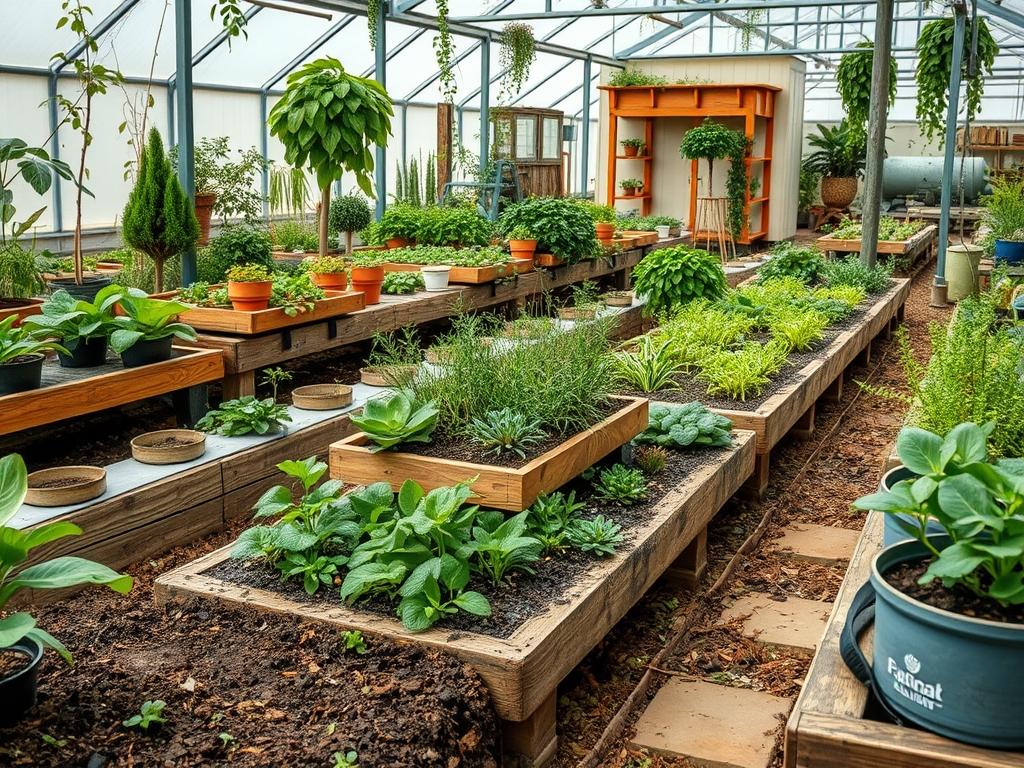
Many homeowners struggle with the dilemma of an undifferentiated landscape, often referred to by designers as the green void. This is a large expanse of lawn or unmanaged earth that lacks specific purpose, character, or ecological function. Botanical Bento Design offers a sophisticated solution to this issue by treating the yard as a series of curated, high-function compartments. Much like the traditional Japanese lunchbox that gives the method its name, this design philosophy relies on clean borders, intentional variety, and the hyper-efficient use of space. By dividing a property into smaller, manageable modules, a landscape architect can create transition zones that guide the eye while serving specific human and environmental needs. This approach significantly enhances curb appeal while increasing the physical utility of the outdoor environment. It is especially effective in regions with diverse microclimates, as it allows for specialized soil and irrigation environments within a single property.
Botanical Bento Design focuses on the creation of rooms without roofs, where every square foot has a dedicated role. Whether the goal is to manage heavy rainfall through a rain garden compartment or to provide a secluded meditation area behind a screen of hardwoods, the structure remains the same. The process starts by identifying the primary functions of the outdoor space: traffic flow, entertainment, drainage, and aesthetic framing. Once these priorities are set, the yard is divided using hardscapes and plant borders to ensure that each section remains distinct yet part of a cohesive whole.
Landscape Design Principles
The success of a Botanical Bento Design layout depends on a strict adherence to fundamental architectural principles. The first is symmetry and visual balance, which dictate how the eye moves through the space. In a bento-style yard, you do not necessarily need mirror-image planting, but you must balance the visual weight. If one compartment features a heavy Stone retaining wall, the adjacent compartment might require a dense hedge of Emerald Green Arborvitae to provide an equal sense of enclosure. Focal points are another critical element. Every compartment needs a primary feature, such as a Specimen Japanese Maple, a high-quality Bronze fountain, or a structured Fire pit area, to anchor the viewer’s attention.
Elevation layers play a vital role in compartmentalizing the yard effectively. Using Raised garden beds at heights of 18 inches to 24 inches creates physical separation without requiring a fence. Terracing with Natural stone pavers or Pressure-treated timbers can help manage a sloping lot while creating distinct platforms for different activities. Each level becomes its own bento box, capable of supporting different plant types. For instance, a higher, drier tier might host Blue Rug Juniper, while a lower, moisture-collecting tier serves as the home for River Birch.
Walkways and pathways act as the dividers between the bento compartments. Using materials like Flagstone, Decomposed granite, or Fine-crush gravel, a designer can create clear boundaries that define where one zone ends and another begins. These paths should be at least 36 inches wide to allow for comfortable passage and to serve as a visual break. Irrigation planning must follow these boundaries. By installing a Multi-zone drip irrigation system, you can provide high-water-demand plants in the vegetable compartment with the hydration they need without overwatering the Xeriscape succulents in the rock garden compartment.
Plant and Material Selection
Selecting the right materials is the difference between a cluttered yard and a structured bento design. The following table provides a guide for common plants used to define these compartments.
| Plant Type | Sun Exposure | Soil Needs | Water Demand | Growth Speed | Maintenance Level |
| :— | :— | :— | :— | :— | :— |
| Boxwood | Full to Partial Sun | Well-drained loam | Moderate | Slow | Medium (pruning) |
| Japanese Maple | Partial Shade | Slightly acidic | High | Moderate | Low |
| Lavender | Full Sun | Sandy, alkaline | Low | Moderate | Low |
| Liriope | Full Sun to Shade | Adaptable | Moderate | Fast | Low |
| Feather Reed Grass | Full Sun | Moist to wet | Moderate | Fast | Low |
| Hostas | Full Shade | Rich organic | High | Moderate | Low |
| Hydrangea | Partial Sun | Rich, well-drained | High | Moderate | Medium |
Implementation Strategy
Implementing a Botanical Bento Design requires a methodical approach that begins with the site sub-grade and ends with the final layer of mulch. The first step is to use a Transit level or a String level to check the grading across the entire property. Proper drainage is the foundation of any compartmentalized design. You must ensure that water flows away from the house and does not pool in the center of your bento zones. If the yard is flat, you may need to install French drains or a Dry creek bed using River rock to move excess moisture to a designated catchment area.
Once the grading is complete, the next step is the installation of edging. This is where the bento structure becomes visible. Use Heavy-duty steel edging or Belgian block pavers to outline the perimeter of each compartment. These borders should be set deep enough to prevent the spread of invasive roots, typically 4 inches to 6 inches into the soil. After the borders are set, you can begin hardscaping the non-planting zones. This includes laying down a base of Compacted 3/4-inch minus gravel before installing Sandstone pavers or Concrete slabs.
After the hardscape is in place, soil preparation for the planting compartments begins. Because each bento box can have its own soil profile, you should customize the mix based on the plant selection. Use Organic compost, Sphagnum peat moss, and Coarse sand to achieve the desired drainage and nutrient levels. When planting, leave at least 12 inches of space between the plant and the edge of the compartment to allow for future growth. Finally, apply a layer of Hardwood mulch or Cedar chips at a depth of 3 inches to suppress weeds and retain moisture.
Common Landscaping Failures
The most frequent mistake in yard compartmentalization is failing to account for the mature size of plants. Homeowners often install a Leyland Cypress too close to a walkway, not realizing it will eventually reach a width of 15 feet. This leads to root overcrowding and the eventual destruction of hardscape elements. Always refer to the mature spread listed on the nursery tag and plan your compartment dimensions accordingly.
Soil compaction is another significant issue, especially during the construction phase. The use of heavy machinery can crush the pore spaces in the soil, preventing air and water from reaching plant roots. If your soil has been compacted, use a Core aerator or a Broadfork to loosen the earth before you begin planting. Additionally, many people neglect the transition zones between compartments. Without a clear border or a path, the neat boxes of the Botanical Bento Design will eventually bleed into one another, resulting in a messy, disorganized appearance.
Irrigation inefficiencies also plague many DIY projects. If you use a single sprinkler head to water both a Cactus garden and a Rose bed, one of them will inevitably suffer. Professional designs utilize Pressure-compensating emitters and Rain sensors to ensure that each compartment receives exactly the right amount of water based on its specific environmental needs.
Seasonal Maintenance
Seasonal care is essential to keep the sharp lines of a bento design intact. During the spring, focus on structural pruning. Use Bypass loppers to shape your Boxwoods and remove any dead wood from Japanese Maples. This is also the time to refresh the edges of your compartments using a Manual edging tool or a Power edger to redefine the lawn lines.
In the summer, the priority shifts to moisture management. Perform an audit of your Drip irrigation lines to ensure there are no clogs or leaks. If you notice localized wilting, increase the frequency of watering for that specific compartment rather than the entire yard. Autumn is the time for cleanup and preparation. Remove fallen leaves from stone pathways to prevent staining and slipping hazards. You should also add a supplementary 1-inch layer of compost to the planting beds to prepare them for the winter dormancy.
Winter maintenance involves protecting the structural elements of the design. If you live in a region with heavy snow, use Snow stakes to mark the edges of your Stone walkways so they are not damaged by shoveling. For sensitive specimen trees, a wrap of Burlap can prevent windburn and frost damage. Use the quiet winter months to review the performance of each compartment and plan any necessary adjustments for the following spring.
Professional Landscaping FAQ
What is the core benefit of Botanical Bento Design?
It maximizes utility by dividing the yard into high-function compartments. This structure prevents the landscape from feeling overwhelmed while allowing for diverse plant habitats and dedicated activity zones like dining areas or rain gardens.
How do I choose the right borders for my yard compartments?
Select materials that match your home’s architecture. Powder-coated steel offers a modern, sharp edge, while Natural fieldstone creates a rustic look. Ensure the border is installed at least 4 inches deep to prevent grass encroachment.
Can I implement this design on a sloped lot?
Yes, slopes are ideal for bento design. Use Retaining walls to create flat tiers. Each level acts as a separate compartment, which helps manage drainage and prevents soil erosion during heavy rain events.
How much space should I leave between different bento compartments?
Main walkways between compartments should be at least 36 inches wide for comfortable movement. Secondary paths can be 24 inches wide. This spacing ensures each zone feels distinct and provides room for maintenance access.
What are the best low-maintenance plants for this style?
Evergreens like Green Velvet Boxwoods and ornamental grasses such as Karl Foerster Feather Reed Grass are excellent. They provide year-round structure and require minimal pruning compared to high-maintenance flowering perennials.