
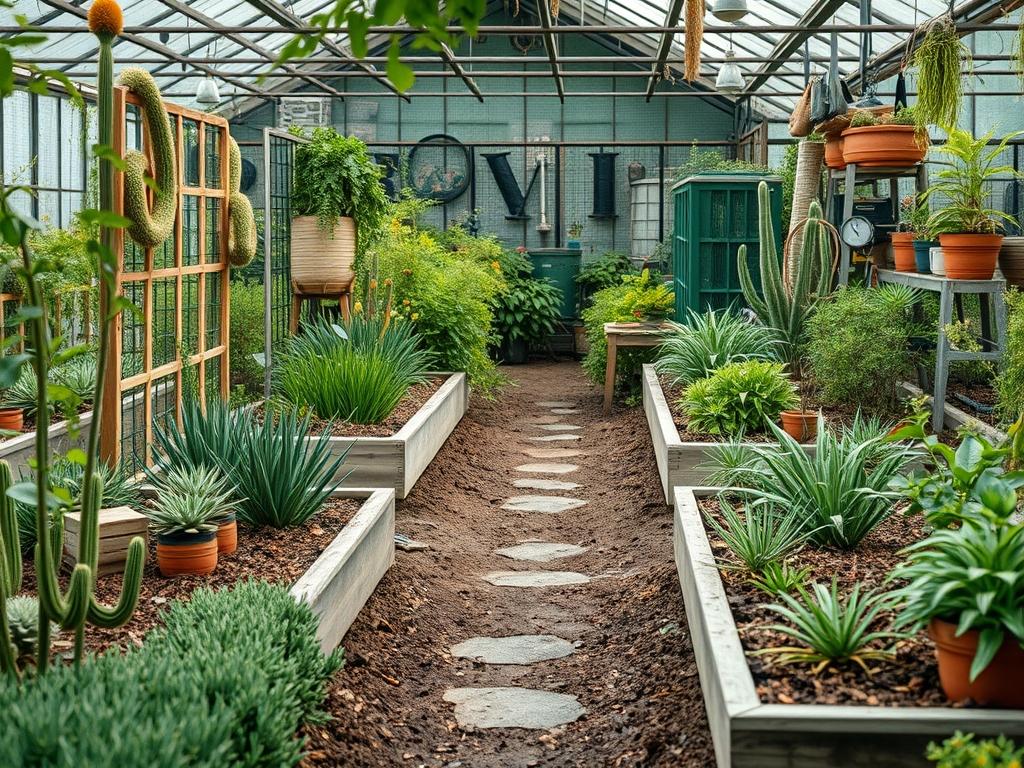
Designing for the desert requires a fundamental shift in how we perceive the relationship between greenery and survival. In arid regions, the traditional lush, water intensive lawn is not only a financial burden but an ecological mismatch. Developing a mastery of Desert Landscaping Basics involves more than just selecting drought tolerant species; it requires an architectural understanding of how wind, intense solar radiation, and sporadic, heavy rainfall interact with the built environment. A successful landscape provides aesthetic curb appeal while simultaneously acting as a thermal buffer for the home. By utilizing strategic shading and moisture retention techniques, a designer can create an outdoor living space that remains functional even when temperatures climb into the triple digits. The goal is to build a resilient, self sustaining ecosystem that celebrates the unique textures and colors of the high and low desert.
Landscape Design Principles
Effective desert design revolves around the concept of xeriscaping, a method that reduces or eliminates the need for supplemental water from irrigation. This begins with the principle of hydro-zoning. In this approach, plants are grouped according to their specific water requirements. Instead of placing a thirsty Bougainvillea next to a drought resistant Cactus, the designer separates them into distinct zones. This prevents over-watering the desert natives, which can lead to root rot, while ensuring the more ornamental species receive adequate hydration.
Visual balance in a desert setting is often achieved through a mix of symmetry and organic layering. Professionals use Elevation Layers to create depth, placing taller Canopy Trees like the Desert Willow in the background or at the corners of a property to frame the view. Mid-level shrubs provide the bulk of the visual texture, while low-lying groundcovers and Decomposed Granite fill the foreground. Focal points are essential to prevent the landscape from looking cluttered. A single, large Specimen Ocotillo or a strategically placed Basalt Column Fountain can act as a visual anchor.
Walkways and hardscaping are the bones of the desert garden. Because soil in arid regions can be prone to erosion during monsoon seasons, heavy materials such as Flagstone, Pavers, or Crushed Rock are used to stabilize the ground. These paths should guide the visitor through the space, offering “discovery points” where certain plants or artistic elements are revealed. Symmetry is often used near the entrance of a home to imply order and prestige, while the backyard may follow a more fluid, asymmetrical layout that mimics a natural desert wash.
Plant and Material Selection
The following table summarizes essential selections for a robust desert environment.
| Plant Type | Sun Exposure | Soil Needs | Water Demand | Growth Speed | Maintenance |
| :— | :— | :— | :— | :— | :— |
| Palo Verde Tree | Full Sun | Well-Drained | Low | Fast | Medium (Pruning) |
| Agave Americana | Full Sun/Partial | Sandy/Rocky | Very Low | Slow | Low |
| Desert Sage | Full Sun | Poor/Lean | Low | Moderate | Low (Deadheading) |
| Muhly Grass | Full Sun | Adaptable | Low to Med | Fast | Seasonal Cutback |
| Red Yucca | Full Sun | Gritty | Very Low | Moderate | Very Low |
| Lantana | Full Sun | Well-Drained | Moderate | Fast | Occasional Trim |
Implementation Strategy
The implementation phase begins with professional Grading. In many desert climates, rain falls infrequently but with extreme intensity. The land must be pitched at a 2 percent slope away from the home foundation to prevent flooding. Swales, which are shallow, rock lined channels, can be used to catch runoff and direct it toward the root zones of larger trees. This technique, often called “rainwater harvesting,” maximizes every drop of natural precipitation.
Once the grade is set, Hardscaping elements like Retaining Walls or Built-in Fire Pits are installed. These structures define the outdoor living rooms. Following the hardscape, the irrigation system is laid. A high quality Drip Irrigation System is the gold standard for Desert Landscaping Basics. Unlike sprinklers, which lose significant water to evaporation, drip emitters deliver water directly to the base of the plant. Each plant should be fitted with an Emitter rated for a specific output, such as 2 gallons per hour, depending on its size and species.
After the infrastructure is in place, planting begins. Dig holes twice as wide as the root ball but no deeper. Avoid adding too much organic fertilizer to the holes; most desert plants prefer the mineral rich, lean soil of their native habitat. Finalize the installation with a thick layer of Mulch. In the desert, this is usually a 3 inch layer of River Rock or Decomposed Granite. This layer suppresses weeds and keeps the soil temperature cool, reducing the stress on new plantings.
Common Landscaping Failures
One of the most frequent errors in desert planning is improper drainage. Many novices assume that because the air is dry, the soil will be too. However, desert soils often contain “caliche,” a natural cement-like layer of calcium carbonate that prevents water from soaking in. If a planting hole is dug into caliche without proper drainage “chimneys” or breaking through the layer, the plant will effectively sit in a bowl of water and drown.
Another failure involves root overcrowding and improper spacing. It is tempting to plant many small specimens to make the garden look full immediately. However, an Arizona Rosewood that is 3 feet tall at the nursery can eventually spread to 10 feet wide. This lead to “crowding out,” where plants compete for limited nutrients and water, resulting in a stunted and messy appearance.
Irrigation inefficiency is also a major culprit behind landscape death. Homeowners often set their timers to water for ten minutes every day. In the desert, this promotes shallow root systems that cannot withstand extreme heat. The correct approach is “deep and infrequent” watering, which encourages roots to grow deep into the earth where the soil stays cooler and moister. Finally, soil compaction from heavy foot traffic or construction equipment can kill a landscape before it starts by crushing the air pockets necessary for root respiration.
Seasonal Maintenance
Spring is the primary season for activation. As the ground warms, apply a Pre-emergent Herbicide to prevent weed seeds from germinating. This is also the time to inspect the Irrigation Controller for any leaks or clogged Emitters that may have occurred over the winter. Light pruning of frost damaged limbs should be performed once the danger of the last freeze has passed.
Summer maintenance focuses on survival. Avoid any heavy pruning or transplanting during the peak heat months of July and August, as this stresses the plants. Increase the frequency of watering cycles, but continue to ensure the water is reaching the deep root zones. If plants show signs of “heat stress,” such as curled leaves or yellowing, consider temporary Shade Cloth for young or sensitive specimens.
Autumn is the ideal time for new installations. The soil is still warm, which encourages root growth, but the air is cooler, reducing “transplant shock.” It is the best time to plant Wildflower Seeds like Mexican Gold Poppies for a spring bloom. Winter maintenance is minimal and focuses on protection. If a hard freeze is predicted, cover sensitive succulents and citrus trees with Frost Blankets or burlap. Ensure you do not wrap them so tightly that they cannot breathe, and remove the covers as soon as the sun comes out the next morning.
Professional Landscaping FAQ
Which mulch is best for a desert climate?
Decomposed Granite or Crushed Rock are the superior choices. Unlike wood mulch, stone does not blow away in high winds or decompose rapidly in the sun. It provides a permanent, fire resistant groundcover that effectively regulates soil temperature.
How do I prevent my cactus from rotting?
Ensure the planting site has excellent drainage and avoid over watering. Most cacti should be planted in a mixture of Sandy Soil and Perlite. Never let water pool at the base of the plant, especially during the winter dormant season.
Can I have a lawn in a desert landscape?
While possible, it is discouraged. If a green space is required for pets or children, consider Artificial Turf or a small patch of Hybrid Bermuda Grass. These options provide the look of a lawn while using significantly less water than traditional fescue.
How often should I check my drip system?
A monthly inspection is recommended. Look for “salt crusting” around emitters or wet spots that indicate a broken Polyethylene Pipe. Testing the system during the day allows you to see leaks that might be missed during a night-time watering cycle.
What is the best way to add color to a desert yard?
Use flowering perennials like Lantana, Baja Fairy Duster, and Desert Marigold. Additionally, incorporate colorful hardscape elements like painted Stucco Walls or decorative Ceramic Pots to provide year round vibrancy without increasing the water budget of the landscape.