
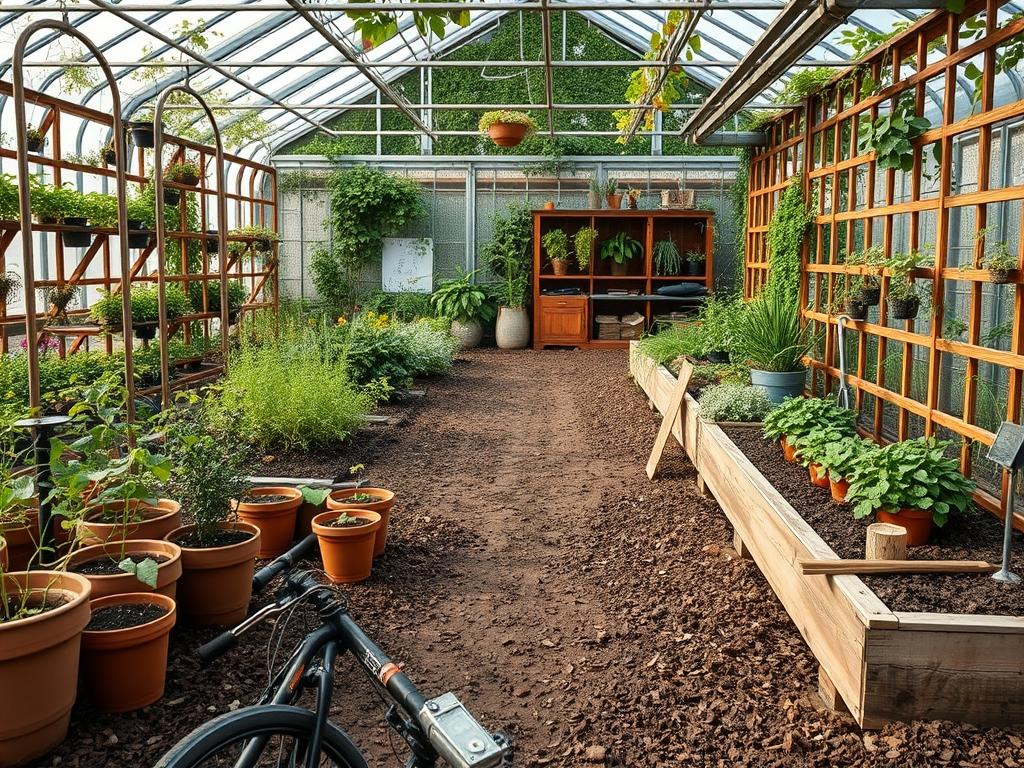
Integrating privacy into an outdoor environment requires more than simple barrier construction; it demands an understanding of how vertical structures interact with the surrounding ecosystem. The modern landscape, particularly in dense suburban or urban corridors, often suffers from a lack of seclusion that compromises the utility of the backyard. Modern Trellis Patterns offer a sophisticated solution to this challenge, serving as both a functional privacy screen and a sculptural element that enhances curb appeal. When selecting a pattern, a landscape architect must consider the prevailing climate, the trajectory of the sun, and the specific wind loads that a vertical plane will encounter. A well-designed trellis does not just block a view. It filters light, directs airflow, and provides a framework for biological integration that evolves with the seasons.
The selection process begins with an assessment of the site’s architectural language. Modernist designs often favor clean lines and geometric repetition, moving away from the traditional cross-hatch lattice seen in cottage gardens. By utilizing materials like powder-coated aluminum, western red cedar, or stainless steel cables, homeowners can create a boundary that feels intentional rather than reactive. The goal is to maximize privacy while maintaining the psychological benefits of an open, airy environment. A dense, solid wall can feel suffocating and may interfere with drainage or air circulation, leading to stagnant microclimates. In contrast, a modern trellis with a calculated opacity allows for the movement of breezes, which is essential for cooling outdoor living spaces and maintaining the health of nearby foliage.
Landscape Design Principles
Effective vertical design hinges on the principle of elevation layers. In a professional landscape plan, the trellis serves as the mid-to-high layer, bridging the gap between the ground-level hardscaping and the overhead canopy. Symmetry plays a vital role in modern aesthetics; however, asymmetrical focal points can be used to redirect the eye away from undesirable views. When plotting the placement of a trellis, use surveyors tape and wooden stakes to visualize the impact on sightlines from both the interior of the home and the outdoor seating areas.
Visual balance is achieved by anchoring the trellis within the broader context of the garden’s walkways and retaining walls. If the trellis is too tall without sufficient horizontal mass, it can appear unstable or imposing. Integrating the structure with low-profile masonry or built-in planters provides a grounded aesthetic. Furthermore, irrigation planning must be handled concurrently with structural design. If the trellis is intended to support heavy climbers, 1/4-inch drip tubing or point-source emitters should be installed during the initial grading phase to ensure the root zones receive consistent moisture without wasting water on the structural members themselves.
Plant and Material Selection
The success of a privacy screen often depends on the synergy between the physical frame and the biological cover. The following table outlines optimal selections for modern vertical systems.
| Plant Type | Sun Exposure | Soil Needs | Water Demand | Growth Speed | Maintenance Level |
| :— | :— | :— | :— | :— | :— |
| Star Jasmine | Full Sun to Part Shade | Well-drained loam | Moderate | Medium | Low |
| Clematis | Sun (Roots in Shade) | Rich, moist soil | High | Fast | Medium-High |
| Virginia Creeper | Full Sun to Shade | Adaptable | Low to Moderate | Very Fast | High |
| CLimbing Hydrangea | Part Shade to Shade | Fertile, moist | Moderate | Slow (at first) | Low |
| Silver Lace Vine | Full Sun | Poor to average | Low | Extremely Fast | High |
| English Ivy | Shade to Part Sun | Any soil | Low | Fast | High (Invasive risk) |
When choosing materials for the frame, Grade A Heartwood Cedar is a premium choice for its natural rot resistance and ability to weather to a silver-grey patina that suits modern palettes. For a more industrial look, black-anodized aluminum provides a maintenance-free alternative that will not warp or twist under the weight of heavy vines like Wisteria.
Implementation Strategy
Implementing a professional layout starts with a precision grading plan. Even vertical structures require a level base to prevent structural failure over time. Begin by clearing the installation area and using a power auger to dig post holes to a depth of at least 24 to 36 inches, depending on your local frost line. To prevent rot, fill the bottom 4 inches of the hole with 3/4-inch crushed gravel for drainage before inserting the 4×4 pressure-treated posts.
Once the posts are set and checked for plumb with a post level, pour high-strength concrete to within two inches of the surface. After the concrete has cured for 48 hours, you can attach your chosen Modern Trellis Patterns. When fastening panels, always use 304-grade stainless steel screws to prevent rust streaks. If you are installing a cable system, use heavy-duty eye bolts and turnbuckles to maintain tension. For the finishing touch, apply a 2-inch layer of organic cedar mulch around the base to retain moisture and suppress weeds, taking care to keep the mulch away from direct contact with the wood posts to prevent fungal issues.
Common Landscaping Failures
The most frequent mistake in trellis installation is failing to account for the mature weight of the plants. A climbing hydrangea, for instance, can become incredibly heavy, shearing poorly fastened panels from their supports. Another common error is root overcrowding. Designing a narrow planter box for a vigorous vine often leads to stunted growth OR heat stress. Plants require a minimum of 18 inches of soil depth and adequate width to develop a robust root system capable of supporting vertical growth.
Drainage inefficiencies also plague many DIY projects. If the area at the base of the trellis is not properly graded, water will pool around the footings, leading to soil saturation and “heaving” during freeze-thaw cycles. Soil compaction is another silent killer; many people forget that the construction process itself compacts the earth. Before planting, use a garden fork or tiller to aerate the soil and incorporate organic compost to restore the structure. Finally, improper spacing between the trellis and the home’s siding can lead to moisture traps and pest infestations; always maintain at least a 6-inch gap for airflow.
Seasonal Maintenance
A proactive maintenance schedule ensures the longevity of both the hardware and the greenery. In the Spring, inspect all fasteners and structural joints. High winds during winter may have loosened screws or shifted the footings. This is also the time to apply a slow-release fertilizer and check the irrigation timers for proper functioning. Summer maintenance focuses on hydration and containment. Prune any aggressive shoots that are straying from the trellis pattern to keep the lines clean and modern.
During the Autumn, remove fallen leaves that may have become trapped in the trellis mesh, as these can harbor mold and insects. For wooden structures, this is an excellent time to apply a UV-resistant sealer if you wish to maintain the original wood color. In Winter, perform dormant pruning on deciduous vines to thin out the old wood and encourage vigorous new growth in the spring. If you live in an area with heavy snowfall, gently brush snow off the top of the trellis to prevent the weight from snapping the horizontal slats or cables.
Professional Landscaping FAQ
How do I choose the right opacity for my trellis?
Evaluate the distance between the trellis and the viewing point. A 60 percent opacity pattern provides a blurred visual barrier that feels open, while an 80 percent opacity pattern offers near-total seclusion for hot tubs or dining areas.
Which material lasts the longest in humid climates?
Powder-coated aluminum and composite wood are superior for high-humidity regions. They resist the warping, mold, and insect damage that often affect natural timber, significantly extending the lifespan of the privacy screen with minimal upkeep.
Can I install a trellis on top of a retaining wall?
Yes, but you must ensure the wall is engineered for the additional wind load. Use steel post anchors bolted into the masonry to provide a secure connection that prevents the trellis from acting as a sail and toppling.
How far apart should I space my vertical posts?
For most Modern Trellis Patterns, a spacing of 4 to 6 feet is ideal. This provides sufficient structural integrity to support the weight of the panels and the mature plants without allowing the horizontal members to sag over time.
Do I need a permit for a privacy trellis?
Most municipalities allow structures up to 6 or 8 feet without a permit, but rules vary. Always check local zoning laws and HOA guidelines regarding height restrictions and setbacks from property lines before starting your project.