
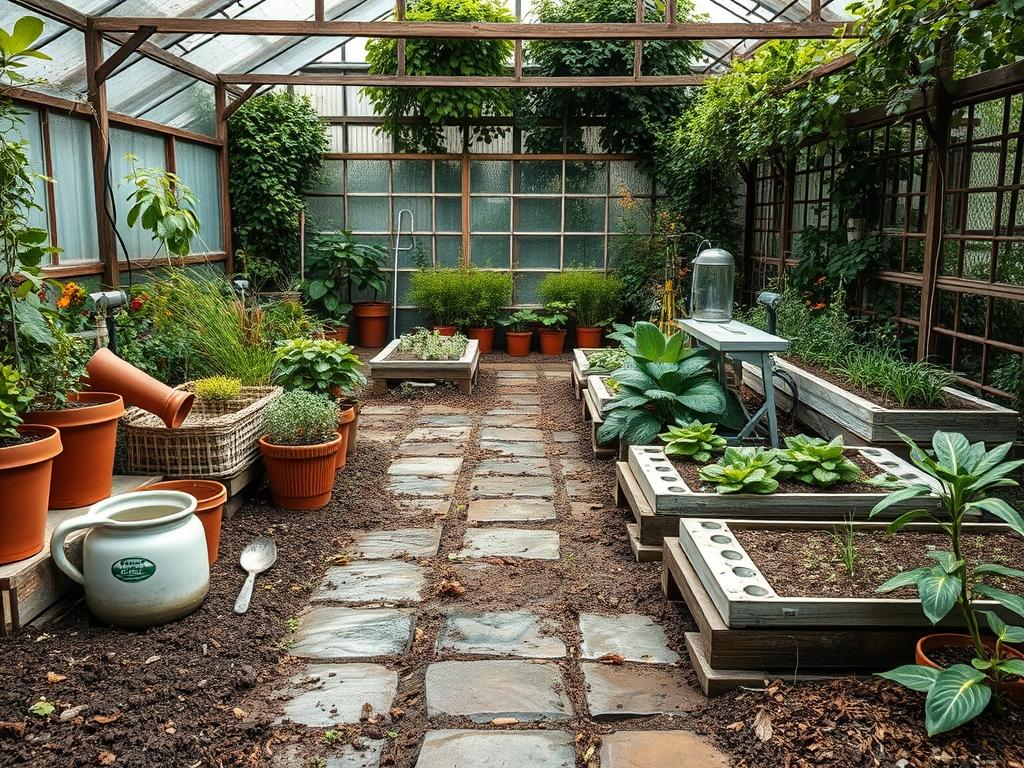
Designing a landscape that balances ecological responsibility with high-end aesthetics requires a shift in how we perceive secondary materials. Modern outdoor environments often suffer from a lack of character because they rely on mass-produced, virgin stone or concrete that lacks the history and texture of reclaimed sources. When we talk about Recycled Material Patios, we are exploring a design philosophy that prioritizes durability and site specific functionality while significantly reducing the carbon footprint of the project. A well-planned patio serves as the anchor for the entire backyard ecosystem. It must withstand localized climate fluctuations, manage intensive stormwater runoff, and provide a seamless transition between the interior living space and the natural world. Achieving professional curb appeal with recycled materials hinges on precision; the difference between a cluttered yard and a curated terrace lies in how these textures are layered and finished.
Effective landscape architecture begins with a site analysis that identifies microclimates and existing drainage patterns. For a patio built from salvaged resources, one must consider the porosity of the materials. Using reclaimed brick, crushed recycled concrete, or salvaged granite curbstone allows for a unique color palette that cannot be replicated with new products. These materials often possess a weathered patina that blends naturally with established plantings, making the new installation look as though it has always belonged to the estate. Functionality remains the primary goal. A designer must ensure that the outdoor living area facilitates movement through the garden while providing a stable, level surface for furniture and social gatherings. By integrating low-impact development techniques, the modern patio becomes more than just a hard surface; it becomes a functional component of the home’s cooling and water management systems.
Landscape Design Principles
Symmetry and visual balance are the cornerstones of a professional outdoor space. When working with Recycled Material Patios, you can achieve this by establishing a strong central axis that leads the eye toward a primary focal point, such as a stone fire pit or a sculptural native tree. Visual weight is managed by nesting heavier reclaimed units, like large concrete slabs from local teardowns, closer to the home’s foundation. As the design moves outward into the garden, the materials should become more fractured and permeable. This creates a natural transition from the rigid architecture of the house to the organic forms of the landscape.
Elevation changes are vital for adding depth to a flat backyard. If the site has a slope, recycled timber beams or salvaged limestone blocks can be used to construct retaining walls that double as tiered planters. These layers help define separate “rooms” within the outdoor space. Irrigation planning must be integrated into the initial layout to prevent water from pooling against the hardscape. Strategic grading should direct water away from the house at a minimum of a one percent slope, leading it toward bioswales or rain gardens where it can penetrate the soil naturally. Walkways constructed from crushed brick or recycled glass gravel provide tactile contrast and clear circulation paths, ensuring that the garden remains accessible and organized.
Plant and Material Selection
The following table highlights plant species that pair exceptionally well with the thermal properties and aesthetic of recycled hardscapes.
| Plant Type | Sun Exposure | Soil Needs | Water Demand | Growth Speed | Maintenance Level |
| :— | :— | :— | :— | :— | :— |
| English Lavender | Full Sun | Well-drained, sandy | Low | Moderate | Low |
| Creeping Thyme | Full Sun/Part Shade | Loamy, lean | Moderate | Fast | Very Low |
| Blue Oat Grass | Full Sun | Well-drained | Low | Moderate | Low |
| Dwarf Boxwood | Part Sun/Shade | Rich, moist | Moderate | Slow | Medium |
| Purple Coneflower | Full Sun | Adaptable | Low | Fast | Low |
| Japanese Forest Grass | Shade | Humus-rich, moist | High | Slow | Medium |
Selecting the right plant for the right place ensures that the living elements do not compete with the recycled hardscape for structural integrity. For instance, Creeping Thyme is often used between reclaimed flagstones to provide a soft, fragrant joint filler that tolerates foot traffic and prevents weed growth.
Implementation Strategy
The construction of Recycled Material Patios begins with meticulous site preparation. First, the area must be staked out using leveling strings and marking paint to define the perimeter. Excavation depth is critical; a standard patio requires removing approximately 8 to 12 inches of soil to accommodate the sub-base. Once excavated, the ground should be compacted using a plate compactor to prevent future settling. A layer of non-woven geotextile fabric is then laid down to separate the native soil from the base aggregate, which prevents the materials from mixing and compromising the stability of the patio.
The base layer consists of roughly 6 inches of recycled road base or crushed concrete (RCA). This layer must be compacted in two-inch increments, with moisture added to achieve maximum density. Next, a 1-inch bedding layer of coarse sand is spread over the base. When laying the recycled units, whether they are salvaged bricks or repurposed granite, use a rubber mallet to set each piece into the sand. Edging is a vital step that many DIY projects overlook. Installing a heavy-duty plastic or metal edging secured with 10-inch spikes will prevent the patio from migrating outward over time. Finally, fill the joints with polymeric sand or fine recycled stone dust to lock the units in place and prevent erosion.
Common Landscaping Failures
The most frequent failure in patio design is inadequate drainage. If a patio is perfectly level rather than slightly sloped, water will collect in the center, leading to moss growth, slippery surfaces, and structural damage during freeze-thaw cycles. Another common error is soil compaction prior to planting. While the patio base requires high compaction, the surrounding garden beds must remain loose and aerated. If the soil becomes too dense during construction, root systems will struggle to find oxygen, leading to stunted growth or plant death.
Improper spacing is another professional pitfall. Designers often plant for immediate gratification, placing shrubs too close to the edge of the Recycled Material Patios. Within five years, these plants can overgrow the walkway or exert pressure on retaining walls, causing them to lean or crack. Furthermore, root overcrowding can lead to competition for nutrients, heightening the plants’ vulnerability to pests. Finally, irrigation inefficiencies occur when spray heads are positioned to hit the hardscape rather than the root zones. This not only wastes water but can cause mineral staining on reclaimed materials, detracting from their natural beauty.
Seasonal Maintenance
Seasonal management ensures the longevity of both the hardscape and the surrounding flora. In the spring, the focus should be on inspecting the joints of the patio. Any lost polymeric sand should be replaced to prevent weed seeds from taking root. This is also the time to apply a fresh 3-inch layer of hardwood mulch to garden beds to retain moisture and suppress weeds as temperatures rise.
Summer maintenance centers on irrigation. During extreme heat, check that your drip irrigation systems are functioning correctly, especially for plants near the patio which may experience higher temperatures due to heat radiance from the stone. In the autumn, clear all fallen leaves and organic debris from the recycled surfaces. If left to decompose on the patio, tannins from the leaves can permanently stain certain types of recycled concrete or antique brick. Finally, during winter, avoid using harsh chemical de-icers on recycled materials. These chemicals can penetrate the porous surfaces of reclaimed stone and cause spalling. Use plain sand for traction instead, which can be swept up and reused or integrated into the garden soil in the spring.
Professional Landscaping FAQ
What is the most durable recycled material for a patio?
Recycled granite sets and reclaimed street pavers offer the highest durability. These materials have already withstood decades of wear and are far denser than modern residential grade concrete, making them ideal for high-traffic outdoor living areas and driveways.
How do I prevent weeds from growing between recycled bricks?
The most effective method is using polymeric sand in the joints. This material hardens when misted with water, creating a flexible but solid barrier that inhibits weed growth and prevents ants from nesting beneath the recycled pavers.
Can I use recycled wood for a permanent outdoor patio?
While reclaimed timber is excellent for vertical elements, avoid using it for ground-contact flooring unless it is pressure-treated or naturally rot-resistant like old-growth redwood. For ground-level surfaces, stone or concrete-based recycled materials are far more permanent.
Does a recycled patio require a professional drainage system?
Most residential patios only require a 1% to 2% grade to shed water. However, if the patio is located at the base of a hill, you should install a French drain or trench drain to redirect runoff.
Is recycled concrete cheaper than new paving stones?
Often, the material cost of recycled concrete (RCA) or salvaged brick is lower than premium new stone. However, labor costs may be slightly higher because reclaimed pieces vary in size, requiring a more skilled hand during the installation process.