
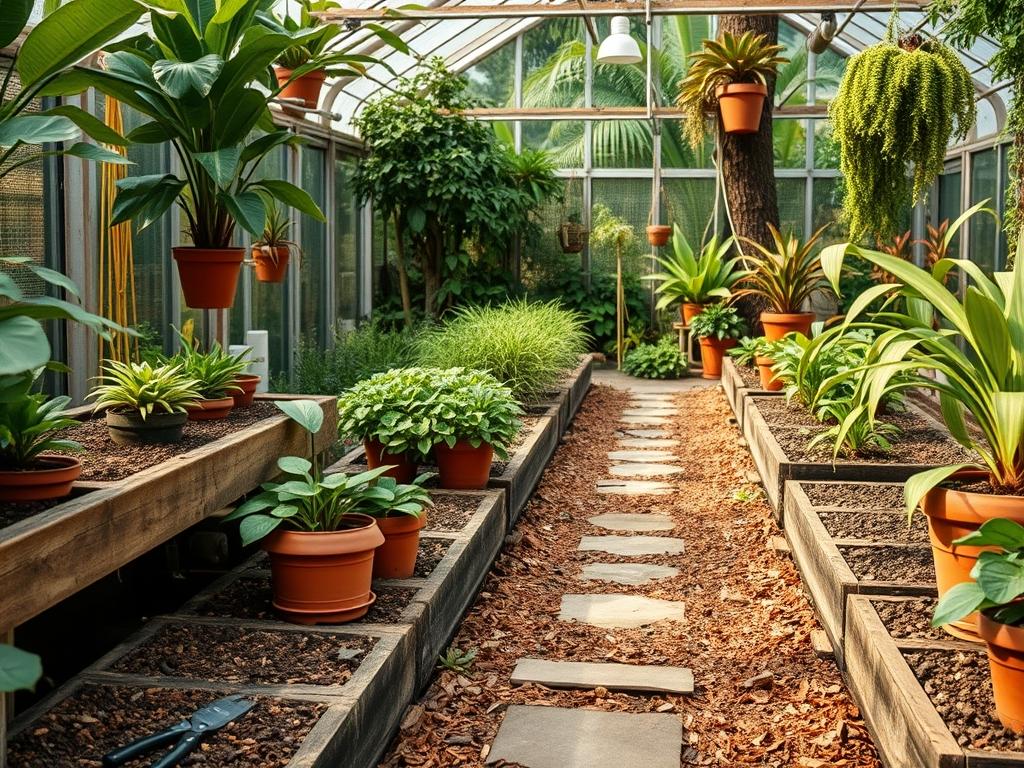
Transforming a temperate garden into an exotic sanctuary requires a shift in perspective from traditional floral displays to a focus on texture, leaf size, and structural density. In cooler climates, the pursuit of tropical backyard vibes is often hindered by the reality of frost, yet the aesthetic can be successfully replicated through the use of hardy architectural plants and strategic hardscaping. Professional landscape architecture relies on the creation of microclimates, which are smaller pockets of the environment where temperatures remain slightly higher due to wind protection or thermal mass. By integrating stone walls, dense perimeter fencing, and layered planting, a designer can buffer the site against cold winds while retaining solar heat. This approach ensures that the outdoor space remains a functional extension of the home, boosting property value and providing a secluded retreat that feels worlds away from the local zip code.
Landscape Design Principles
A professional tropical landscape is built on the foundation of density and depth. Unlike formal European gardens that rely on strict symmetry and open vistas, a tropical design thrives on organized chaos and hidden alcoves. The use of elevation is the first step in this process. By utilizing Retaining Walls and terraced garden beds, you can create the verticality necessary to mimic a jungle environment. These changes in height allow for layered planting where taller species provide a canopy for shade-tolerant undergrowth. Focal points should be oversized and bold, such as a large Basin Fountain or a specimen Hardy Palm positioned at a visual terminus.
Irrigation planning is equally critical in a cooler climate where rainfall may be inconsistent. A professional Drip Irrigation System ensures that moisture reaches the root zone without promoting fungal growth on the foliage. This is especially important for large-leaved plants that have high transpiration rates. Walkways should be designed with an organic flow, using materials like Flagstone or Stepping Stones interspersed with groundcovers. This avoids the rigidity of straight concrete paths and encourages a slower pace of movement through the garden. Visual balance is achieved not through identical plantings on either side of an axis, but through the distribution of visual weight. A heavy, dark green mass of foliage in one corner can be balanced by a lighter, variegated texture across the path.
Plant and Material Selection
The following table provides a selection of species and materials that offer high visual impact while maintaining resilience in cooler zones.
| Plant Type | Sun Exposure | Soil Needs | Water Demand | Growth Speed | Maintenance Level |
| :— | :— | :— | :— | :— | :— |
| Musa basjoo (Hardy Banana) | Full Sun | Rich, Loamy | High | Very Fast | High |
| Trachycarpus fortunei (Windmill Palm) | Part/Full Sun | Well-drained | Moderate | Medium | Low |
| Fatsia japonica (Japanese Aralia) | Shade/Part Sun | Acidic, Moist | Moderate | Medium | Low |
| Phyllostachys aureosulcata (Hardy Bamboo) | Full Sun | Moist, Fertile | High | Fast | Moderate |
| Hakonechloa macra (Forest Grass) | Shade | Organic-rich | Moderate | Slow | Low |
| Hibiscus syriacus (Rose of Sharon) | Full Sun | Neutral | Moderate | Medium | Low |
For hardscaping materials, focus on stones that hold heat. Dark Basalt, Mexican Beach Pebbles, and Decomposed Granite are excellent choices for ground cover and drainage zones. Using Ipe Wood or Teak for decking adds the warmth of tropical timber.
Implementation Strategy
The implementation phase begins with professional grading. Ensuring that the site slopes at a minimum of 2 percent away from the home foundation is essential for preventing water accumulation. Once the grade is established, the layout of the hardscape determines the flow of the garden. Use Steel Edging to create sharp, permanent boundaries between planting beds and walkways. This prevents the vigorous root systems of tropical-style plants from encroaching on gravel paths.
When planting, excavate holes that are 2 times the width of the root ball to allow for soil amendment. In cooler climates, soil must be enriched with organic matter to improve drainage and nutrient retention. After the plants are positioned, apply Organic Wood Mulch at a depth of 3 inches. This layer acts as an insulator for the root systems during the winter months and suppresses weed growth during the spring. For drainage, install French Drains in low-lying areas where water tends to pool. This involves a perforated pipe buried in a trench filled with 1 inch diameter washed gravel, directing excess water toward a dry well or the municipal storm system.
Common Landscaping Failures
The most frequent mistake in creating tropical backyard vibes is neglecting sub-surface drainage. While tropical plants often require frequent watering, they are highly susceptible to root rot if the soil remains saturated. Many homeowners fail to account for the heavy clay content in suburban soils, which leads to “bathtubbing,” where the planting hole holds water like a container. Another common error is improper spacing. In an attempt to achieve instant density, gardeners often plant too closely, leading to root overcrowding and a lack of airflow. This stagnation increases the risk of pest infestations like spider mites or scale.
Soil compaction is another silent killer of the tropical aesthetic. During construction or hardscaping, heavy machinery can compress the soil, destroying the pore spaces required for oxygen to reach the roots. A professional should always use an Aerator or manually till the soil before planting. Lastly, irrigation inefficiencies often plague these designs. Relying on overhead sprinklers can lead to leaf burn and uneven moisture distribution. A dedicated Smart Irrigation Controller with weather-sensing technology is the standard for maintaining the high-moisture environment these plants crave without wasting water.
Seasonal Maintenance
Seasonal management is the bridge between a thriving tropical landscape and a failed one. In the spring, the focus is on “waking up” the garden. This involves removing winter wraps from sensitive species and applying a slow-release, high-nitrogen Fertilizer to stimulate foliar growth. As temperatures rise, inspect the Drip Emitters for clogs and adjust the watering schedule to compensate for increased evaporation.
Summer maintenance involves aggressive pruning and deadheading to maintain the desired shape and density. Large leaves should be wiped or sprayed down occasionally to remove dust, which improves photosynthesis. In autumn, the strategy shifts toward protection. Begin reducing water frequency to encourage plants to enter dormancy. Apply a fresh layer of Mulch to keep roots warm. For marginally hardy plants like Musa basjoo, cut the stalks back to 12 inches and cover the crown with a thick layer of straw or a Protective Horticultural Fleece. During winter, ensure that heavy snow is gently removed from palm fronds to prevent breakage. Avoid any fertilization during this time, as new growth triggered by nutrients will be killed by the first hard frost.
Professional Landscaping FAQ
How do I get a tropical look without high water bills?
Focus on “architectural” plants that mimic tropical shapes but are drought-tolerant. Species like Yucca rostrata or certain Hardy Agaves provide the sharp, exotic silhouettes of the tropics while requiring significantly less irrigation than broad-leafed varieties.
Can I grow real palm trees in Zone 6 or 7?
Yes, the Trachycarpus fortunei is hardy down to 10 degrees Fahrenheit. By planting it in a sheltered location near a south-facing wall, you can successfully maintain a palm canopy even in regions that experience regular winter snow.
What is the best way to handle invasive bamboo?
Always specify “clumping” varieties rather than “running” varieties. If using running bamboo, you must install a High-Density Polyethylene Root Barrier at a depth of 24 inches to prevent the rhizomes from spreading into lawns or neighboring properties.
Does a tropical garden attract more mosquitoes?
Only if there is standing water. Ensure your Water Features have a Submersible Pump to keep water circulating. Mosquitoes cannot breed in moving water. Proper drainage and the removal of empty pots will eliminate breeding grounds.
How do I create privacy quickly in a tropical backyard?
Utilize Hardy Bamboo or Large-Leafed Evergreens. These plants grow rapidly and provide a dense visual screen. Combining them with a Privacy Fence and layered Climbing Vines will create a total sense of seclusion within two growing seasons.