
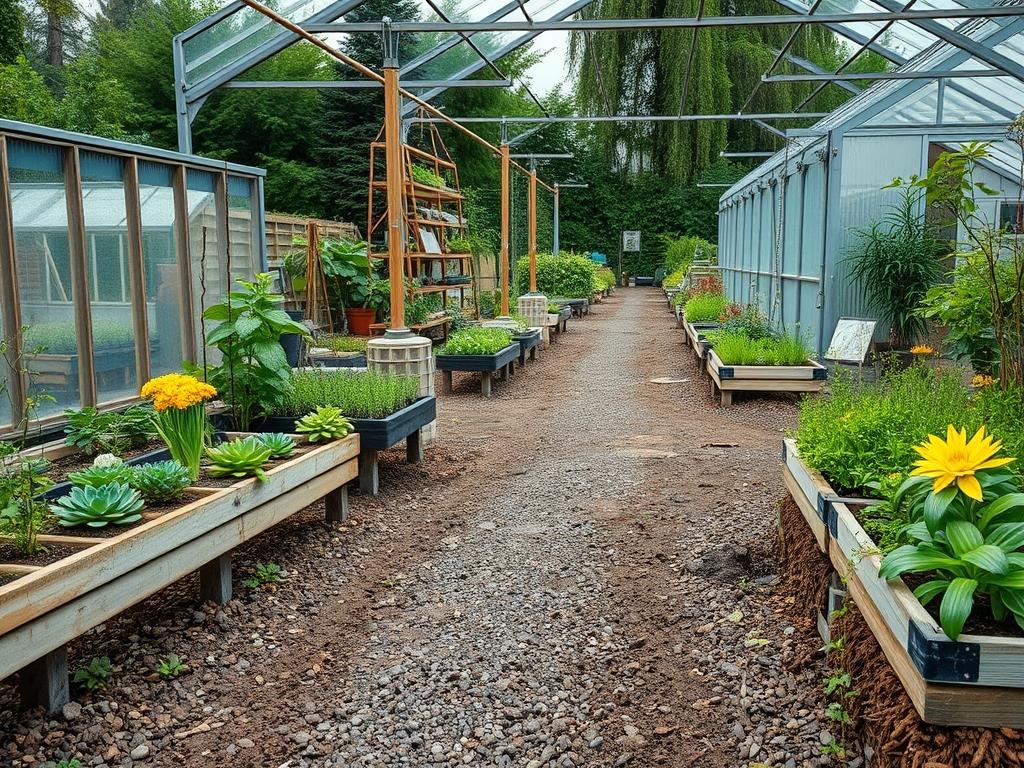
A well-maintained gravel driveway serves as the functional spine of a residential landscape, blending rural charm with modern permeable engineering. Beyond the surface level aesthetics, these structures provide essential drainage benefits that solid asphalt or concrete cannot match. In any professional landscape design, the driveway must be viewed as a dynamic system rather than a static path. Climate considerations play a major role in how stone behaves over time, particularly in regions with heavy freeze-thaw cycles or intense seasonal rains. The goal is to create a transition from the public road to the private residence that feels intentional, durable, and integrated with the surrounding topography. When properly graded and bordered, a gravel entrance increases curb appeal while managing stormwater runoff effectively, protecting the integrity of the entire property’s foundation.
Landscape Design Principles
Integrating a gravel driveway into a cohesive master plan requires more than just pouring stone; it involves the application of fundamental design principles such as symmetry, focal points, and elevation layering. To achieve visual balance, the driveway should follow the natural contours of the land. Dramatic changes in elevation require careful terracing or the installation of retaining walls to prevent stone washouts. A professional approach often utilizes the concept of the “visual anchor,” where the driveway curves toward a central focal point like a mature Specimen Tree or a masonry entryway.
Symmetry can be established through the use of consistent edging materials that mirror the architectural style of the home. This provides a hard boundary that prevents gravel migration into the turf or planting beds. Furthermore, irrigation planning must account for the driveway’s footprint. Sprinkler heads should be positioned to avoid spraying the stone, as constant moisture can soften the sub-base and encourage weed growth. By layering the height of surrounding flora, from low-lying groundcovers to mid-sized shrubs, the driveway becomes part of a lush, intentional corridor rather than a stark, utilitarian strip of rock.
Plant and Material Selection
The following table outlines plants and materials suitable for flanking a gravel driveway. These selections prioritize low-litter profiles to keep the stones clean and high durability to withstand occasional heat radiating from the driveway surface.
| Plant or Material | Sun Exposure | Soil Needs | Water Demand | Growth Speed | Maintenance Level |
| :— | :— | :— | :— | :— | :— |
| Creeping Thyme | Full Sun | Well-drained | Low | Moderate | Low |
| Lavender | Full Sun | Sandy/Lean | Very Low | Moderate | Low |
| Boxwood | Partial to Full Sun | Loamy/Rich | Moderate | Slow | Medium |
| #57 Crushed Stone | N/A | Compacted Sub-base | N/A | N/A | Low |
| Decomposed Granite | N/A | Stabilized Base | N/A | N/A | Medium |
| Switchgrass | Full Sun | Adaptable | Low | Fast | Low |
| Dwarf Fountain Grass | Full Sun | Moist/Well-drained | Moderate | Fast | Low |
Implementation Strategy
The longevity of a gravel driveway depends almost entirely on the quality of the initial installation and the precision of the grading process. To begin, the area must be excavated to a depth of at least 8 to 12 inches. The removal of organic topsoil is non-negotiable, as decomposing matter will eventually cause the stones to sink and shift. Once the sub-grade is cleared, a heavy-duty geotextile fabric must be laid down. This layer acts as a structural stabilizer, preventing the gravel from mixing with the underlying soil while still allowing water to permeate through the ground.
Effective drainage is the next priority. A professional driveway is never perfectly flat; instead, it features a “crown,” which is a slight rise in the center (typically a 2 to 3 percent slope) that sheds water toward the edges. After the fabric is placed, the first layer of material should be large, angular stones like #3 Crushed Stone, which provide a rigid foundation. This layer is compacted using a vibratory roller. The second layer, often called Crush and Run or GAP, contains a mix of smaller stones and “fines” or stone dust. These fines act as a binding agent that, when compacted, creates a nearly impermeable base. Finally, the top dressing of decorative gravel, usually 2 to 3 inches deep, is applied. Edging materials such as steel strips, Belgian block, or pressure-treated timber should be installed at this stage to lock the layers in place and prevent lateral movement.
Common Landscaping Failures
The most frequent failure in gravel driveway management is “pothole memory.” Many homeowners mistakenly believe that filling a hole with loose gravel will solve the problem. However, if the underlying sub-base is not scarified (loosened and mixed) before adding new material, the new stones will simply be pushed out by the weight of vehicles, and the pothole will return in the exact same spot. Soil compaction is another silent killer. If the ground beneath the driveway was not properly packed during installation, heavy delivery trucks or repeated traffic will create deep ruts that trap water and accelerate erosion.
Improper spacing and root overcrowding also plague driveway borders. Planting large trees too close to the gravel edge can lead to root heave, where powerful roots lift the driveway surface, destroying the grade. Additionally, drainage mistakes often occur when the driveway is lower than the surrounding landscape. Without proper french drains or swales to redirect runoff, the driveway becomes a seasonal stream, washing precious stone into the lawn or street. Over-mulching the adjacent beds can also lead to issues, as excess mulch often washes into the gravel during heavy storms, creating an organic medium that allows weeds to thrive within the stone matrix.
Seasonal Maintenance
In the spring, maintenance begins with a thorough inspection of the crown. Heavy snow and ice may have flattened the center of the driveway, making it susceptible to puddling. Use a landscape rake or a box blade attached to a tractor to pull gravel from the edges back toward the center. This is also the ideal time to apply a pre-emergent herbicide to prevent dormant weed seeds from germinating as the soil warms.
Summer maintenance focuses on weed control and dust management. If weeds do appear, spot-treat them immediately to prevent their roots from compromising the compacted sub-layers. In arid climates, a light application of calcium chloride can help bind the dust particles together, keeping the air clean and the driveway surface stable.
As autumn approaches, the primary task is debris removal. Falling leaves and organic matter must be blown or raked off the gravel. If left to rot, these materials turn into soil, providing a perfect bed for unwanted plants. Check the integrity of your edging and retaining walls before the ground freezes, ensuring that no stones have escaped their boundaries.
Winter requires a delicate touch, especially regarding snow removal. If using a plow, ensure the blade is set at least 1 inch above the gravel surface to avoid scooping up the stones. Using plow shoes or “skids” is essential for protecting the driveway’s profile. Avoid using heavy salt or chemical de-icers if your driveway is bordered by sensitive plants, as the runoff can lead to soil toxicity. Instead, use a light dusting of additional sand or fine grit for traction.
Professional Landscaping FAQ
How often should I add new gravel to my driveway?
Generally, a fresh top layer of 1 to 2 inches is needed every three to five years. This compensates for natural stone crushing and minor migration. Regular raking and maintaining the crown can extend this interval significantly.
What is the best way to stop weeds from growing in gravel?
The most effective method is a combination of a thick geotextile fabric barrier and maintaining a clean, organic-free stone layer. Regularly remove leaves and debris, and use a pre-emergent treatment in early spring to stop seeds before they sprout.
Why is my driveway always dusty?
Dust is usually caused by the breakdown of “fines” in the base layer or the use of soft stones like limestone. Applying a dust suppressant or switching to a harder, washed stone for the top layer can mitigate this issue effectively.
Can I use a pressure washer to clean my gravel driveway?
Pressure washing is not recommended as it can displace the stones and wash away the essential binding fines. Instead, use a leaf blower to remove surface debris or a garden hose for a very light rinse if necessary.
How do I fix deep ruts caused by heavy vehicles?
Ruts should be repaired by loosening the gravel in and around the depression with a pickaxe or scarifier. Add new crush and run, then compact it thoroughly with a hand tamper or plate compactor before finishing with decorative stone.