
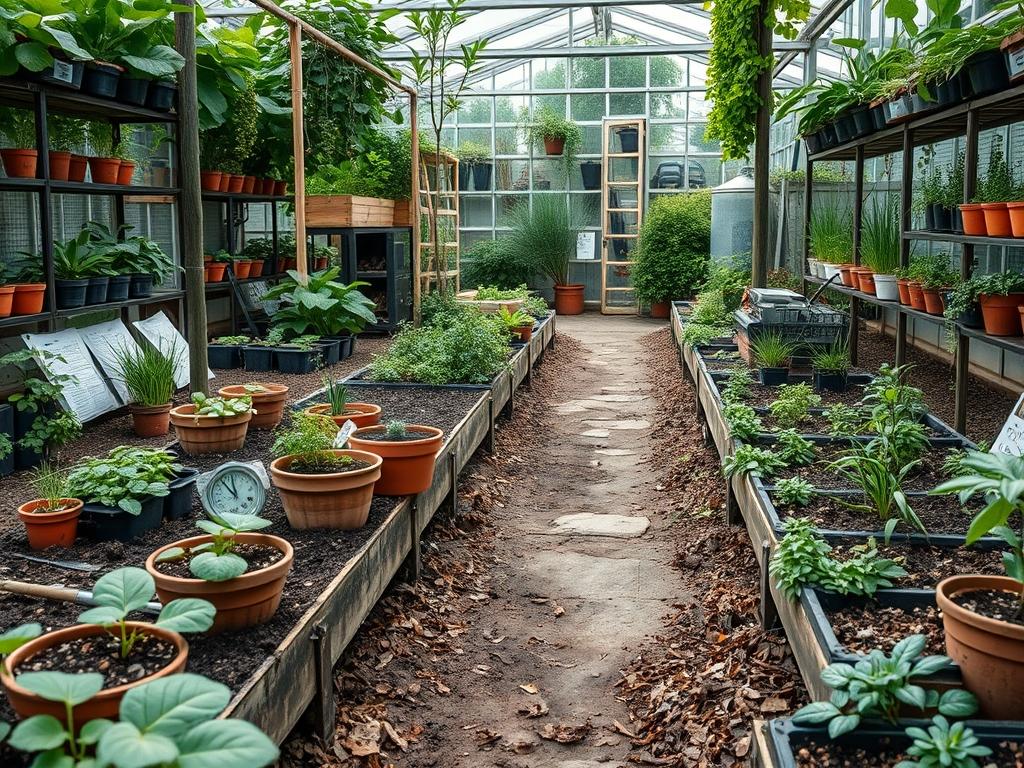
A professional landscape is far more than a collection of plants arranged in a pleasing pattern. It is a sophisticated ecosystem designed to balance aesthetic appeal with functional longevity. When we approach a new project, we look beyond the initial visual impact to consider how the terrain handles water, how light interacts with varying elevations, and how the structural integrity of the site will hold up over decades. The success of any high end outdoor environment depends heavily on the precision of execution. This is why every comprehensive Tool Sharpening Guide emphasizes that the quality of your finish is directly proportional to the condition of your equipment. A dull pruning saw or a nicked spade does more than just make the work harder; it creates ragged edges on living tissue that invite disease and pest infestation. To achieve true curb appeal and professional grade functionality, one must view the landscape as a marriage of biological health and mechanical precision.
Landscape Design Principles
Achieving a balanced landscape requires adherence to foundational design principles that guide the eye and manage the physical movement through a space. Symmetry often serves as the anchor for formal gardens, where mirrored plantings of English Boxwood create a sense of order and permanence. However, in more contemporary or naturalistic designs, we look for visual balance rather than exact mirroring. This is achieved through massing, where the visual weight of a large Stone Retaining Wall might be balanced by a dense cluster of ornamental grasses on the opposite side of a path.
Elevation layers are equally critical for adding depth to a flat lot. By utilizing berms and tiered planting beds, we can create vertical interest that stops the eye from racing to the property line. This layering begins with groundcovers, moves into mid sized shrubs, and culminates in a canopy of specimen trees. Focal points, such as a high quality Cast Stone Fountain or a large Granite Boulder, provide a destination for the viewer’s gaze. These elements must be connected by logical walkways constructed from durable materials like Flagstone or Pavers, ensuring that the flow of traffic is both intuitive and safe. Without a clear plan for irrigation and drainage during this design phase, even the most beautiful layout will eventually succumb to erosion or waterlogged soil.
Plant and Material Selection
Selecting the right biological and hardscape components is the most significant variable in determining long term maintenance requirements.
| Plant Type | Sun Exposure | Soil Needs | Water Demand | Growth Speed | Maintenance Level |
| :— | :— | :— | :— | :— | :— |
| Japanese Maple | Partial Shade | Well-Drained Acidic | Moderate | Slow | Medium |
| Purple Coneflower | Full Sun | Poor to Average | Low | Fast | Low |
| Dwarf Fountain Grass | Full Sun | Well-Drained | Low | Moderate | Low |
| Oakleaf Hydrangea | Shade/Part Sun | Rich Organic | High | Moderate | Medium |
| Creeping Thyme | Full Sun | Sandy/Rocky | Low | Fast | Low |
| River Birch | Full Sun | Moist/Clay | High | Fast | Medium |
When choosing materials, the environment dictates the palette. For regions with high freeze-thaw cycles, natural stone often outperforms poured concrete, which is prone to cracking. We recommend a 4 inch depth for Hardwood Mulch in most planting beds to suppress weeds and retain moisture, though this must be kept away from the direct trunk of any tree to prevent rot.
Implementation Strategy
The transition from a design on paper to a physical landscape requires a systematic approach. We begin with grading and drainage. Before a single plant goes into the ground, the site must be pitched to move water away from the foundation of the home. This often involves the installation of French Drains or Catch Basins in low lying areas. Once the skeleton of the site is established, we move to hardscaping. This includes the construction of Retaining Walls and the laying of sub-bases for patios, typically consisting of 6 inches of compacted crushed stone topped by a layer of bedding sand.
After the hardscape is set, we turn our attention to the soil. Soil compaction is the silent killer of new landscapes, so we use a Rototiller to break up the earth and incorporate organic compost. When it is time to plant, the hole should be twice as wide as the root ball but no deeper. For edging, a clean V-trench cut with a sharpened Half-Moon Edger provides a professional finish that prevents grass from creeping into the beds. Finally, a consistent layer of mulch is applied to unify the design. Throughout this process, the use of sharp tools is non-negotiable. According to any reputable Tool Sharpening Guide, a sharp Hand Pruner should be used to trim any circling roots or damaged branches during the planting phase to ensure rapid recovery and growth.
Common Landscaping Failures
The most common mistakes in landscaping often stem from a lack of foresight regarding plant maturity. Root overcrowding occurs when a homeowner plants for the current size of the shrub rather than its size in ten years. This leads to poor air circulation and nutrient competition. Similarly, improper spacing can result in plants growing into the siding of a house, which traps moisture and leads to structural rot.
Drainage mistakes are another frequent pitfall. Many people focus purely on the surface appearance and ignore how the site handles a heavy downpour. If water pools against a Retaining Wall without proper weep holes or a gravel backfill, the hydrostatic pressure will eventually cause the wall to fail. Soil compaction is another issue; heavy foot traffic or construction equipment can squeeze the air out of the soil, effectively suffocating the root systems of existing trees. Lastly, irrigation inefficiencies, such as spray heads that water the sidewalk instead of the root zone, lead to wasted water and uneven plant health.
Seasonal Maintenance
A landscape is a living entity that requires different interventions throughout the year to remain at its peak.
In the Spring, the focus is on renewal. This is the time to remove winter debris and perform the first major sharpening of the year. Following a Tool Sharpening Guide, one should hone the blades of the Lawn Mower, Hedge Trimmers, and Bypass Pruners. Apply a pre-emergent herbicide to prevent crabgrass and top dress the beds with fresh mulch.
Summer maintenance is dominated by water management and deadheading. During periods of extreme heat, it is better to water deeply and infrequently rather than providing light daily sprinkles. This encourages roots to grow deeper into the cool earth. Monitor for pests and disease, and keep a sharp Pocket Knife handy for taking samples of any suspicious foliage for analysis.
Autumn is the season for preparation and planting. The soil is still warm, but the air is cool, which is the perfect condition for establishing new trees and shrubs. It is also the time to core aerate the lawn to combat soil compaction. Final pruning of deciduous trees should wait until they are fully dormant, but any dead or crossing branches can be removed now.
Winter is the season for infrastructure and tool care. Once the ground freezes, avoid heavy traffic on the lawn to prevent crown damage to the grass. This is the ideal window to take all tools into the workshop for a deep clean and sharpening. Removing rust with Steel Wool and applying a light coat of Mineral Oil to metal surfaces will prevent oxidation.
Professional Landscaping FAQ
How often should I sharpen my lawn mower blades?
For a standard residential lawn, you should sharpen your blades twice per season. Sharp blades slice the grass cleanly, while dull blades tear it. This reduces the risk of browning and ensures the lawn remains resilient against summer heat and common diseases.
What is the best way to prevent weeds in garden beds?
A combination of mechanical barriers and organic mulch is most effective. Use a sharp Edger to create a deep perimeter trench. Apply 2 to 3 inches of wood mulch, which blocks sunlight from reaching weed seeds while nourishing the soil below.
Why are my newly planted trees failing to thrive?
The most frequent causes are planting too deep or overwatering. The root flare, where the trunk widens into the roots, must be visible at the soil surface. Use a Soil Moisture Meter to ensure the ground is damp but not anaerobic.
How do I choose between different types of mulch?
Hardwood mulch is excellent for moisture retention and weed suppression in perennial beds. For acid loving plants like Azaleas, pine bark is preferable. Avoid dyed mulches near edible gardens, as they can sometimes contain chemical contaminants that leach into the soil.
When is the best time to prune my flowering shrubs?
Prune spring flowering shrubs, like Forsythia, immediately after their blooms fade. For summer bloomers, such as Butterfly Bush, prune in late winter or early spring. Always use sharp, sanitized Loppers to ensure the plant heals quickly and produces vigorous new growth.