
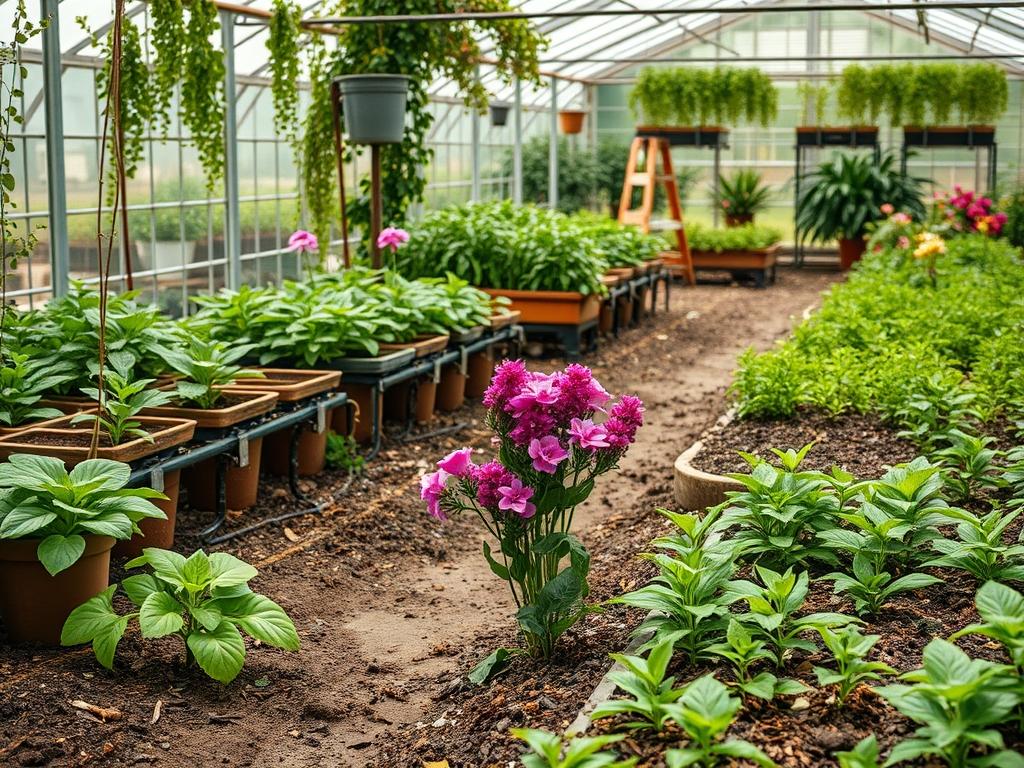
The visual continuity of a high end landscape often hinges on the meticulous management of spent floral structures. While architectural elements like retaining walls and natural stone pavers provide the skeleton of a garden, the vibrant tissue of the landscape is maintained through active deadheading. This process involves the strategic removal of fading flowers to prevent the plant from diverting resources into seed production. By interrupting this natural biological cycle, a landscape architect ensures that the property retains its peak aesthetic value throughout the hottest months of the year. In unpredictable climates, such interventions are critical to maintaining curb appeal and ensuring that outdoor living spaces remain inviting extensions of the home. Sustaining a lush, blooming environment requires more than just water; it demands a technical understanding of plant physiology and a commitment to precision maintenance.
Landscape Design Principles
Effective deadheading is not merely a task of tidiness, but a fundamental component of maintaining landscape design integrity. Symmetry, for instance, is easily disrupted when one side of a formal entrance loses its floral vigor while the other continues to thrive. A landscape architect utilizes deadheading to synchronize the bloom cycles of paired plantings. When a focal point, such as a specimen Hydrangea or a structured row of Salvia, begins to wither, it draws the eye toward decay rather than the intended visual anchor. Regular removal of these spent blooms keeps the visual focus on the intentional beauty of the design rather than the entropy of the season.
Elevation layers also rely heavily on this practice. In a multi leveled garden, shorter plants in the foreground must be kept pristine so they do not obscure the health of the mid ground or background layers. If the foreground Coreopsis is left to go to seed, the brown stalks create a messy texture that detracts from the crisper lines of the background Boxwood or Ornamental Grasses. Furthermore, deadheading plays a silent role in irrigation planning. Plants that are constantly producing seeds require different metabolic energy and water levels than those kept in a vegetative or blooming state. By controlling the reproductive cycle, we can more accurately predict and manage the water demands of the bed, ensuring that the drip irrigation system is optimized for peak flowering performance.
Finally, the relationship between walkways and plantings is improved through active grooming. When flowers overhanging a flagstone path or gravel walkway are allowed to drop heavy seed heads, they can cause staining or lead to unwanted volunteer seedlings between the stones. This compromises the clean lines and professional finish of the hardscaping. Keeping the edges of the beds clean through pruning ensures that the transition between the softscape and the hardscape remains sharp and intentional.
Plant and Material Selection
Selecting the right plant material is the first step toward a manageable maintenance schedule. Different species respond with varying levels of vigor to deadheading techniques.
| Plant Type | Sun Exposure | Soil Needs | Water Demand | Growth Speed | Maintenance Level |
| :— | :— | :— | :— | :— | :— |
| Coneflower (Echinacea) | Full Sun | Well drained | Moderate | Medium | Low |
| Lavender (Lavandula) | Full Sun | Sandy/Lean | Low | Slow | Moderate |
| Zinnia (Annual) | Full Sun | Rich Loam | High | Fast | High |
| Butterfly Bush (Buddleja) | Full Sun | Average | Moderate | Very Fast | High |
| Daylily (Hemerocallis) | Partial Sun | Adaptable | Moderate | Fast | Moderate |
| Petunia (Wave Series) | Full Sun | Fertile | High | Fast | Low (Self cleaning) |
Implementation Strategy
Planning a backyard or garden layout requires looking beyond the initial planting day. Strategic implementation begins with proper grading to move water away from the crowns of blooming plants, as excess moisture at the base can lead to fungal issues that stop bloom production regardless of deadheading efforts. Once the grade is established, professional edging with steel or aluminum borders creates a physical barrier that defines the maintenance zone. This prevents turf grass from infiltrating ornamental beds and competing for the nutrients needed for continuous flowering.
When it’s time to perform the actual deadheading, the choice of tools is paramount. For soft stemmed annuals, simple garden snips or even pinching with the fingers is sufficient. However, for woody perennials and shrubs, bypass pruners are required to make clean, slanted cuts. The cut should typically be made just above the first set of healthy leaves or a new lateral bud. This encourages the plant to push out new growth from that point, leading to a bushier habit and more flower sites.
A vital step in the implementation is the application of mulch. A 2 to 3 inch layer of hardwood mulch or pine bark nuggets helps regulate soil temperature. Since many plants stop producing blooms when root temperatures soar, keeping the soil cool through mulching extends the effective blooming window. Additionally, as you deadhead, the removed organic material should be cleared from the top of the mulch to prevent rot and pest attraction. This maintains the clean, dark aesthetic of the mulch which provides a high contrast backdrop for the remaining flowers.
Common Landscaping Failures
The most common failure in maintaining a bloom centric landscape is improper spacing, often referred to as root overcrowding. When plants are placed too closely together to achieve an immediate full look, they quickly compete for sunlight, air, and soil nutrients. This stress often causes the plant to bypass its flowering stage and move straight to seed production as a survival mechanism. Without adequate airflow, moisture lingers on the foliage, leading to powdery mildew which can decimate a garden’s visual appeal.
Another frequent mistake involves soil compaction. In high traffic areas or zones with heavy clay, the lack of pore space in the soil prevents oxygen from reaching the root zone. Even the most diligent deadheading cannot overcome the stunted growth and poor floral output caused by compacted earth. Professionals often use core aeration or incorporate expanded shale to improve tilth before planting.
Irrigation inefficiencies also play a significant role in garden failure. Overhead watering during the heat of the day can scorch delicate petals and promote disease. A well designed subsurface irrigation system ensures that water reaches the roots directly. This keeps the foliage and flowers dry, preserving the integrity of the blooms you are working so hard to maintain. Finally, many homeowners fail because they wait too long to deadhead. Once a plant has successfully formed a seed pod, the hormonal shift has already occurred; the plant has fulfilled its biological mission and will resist efforts to trigger a second flush of growth.
Seasonal Maintenance
Landscape management is a year round commitment that evolves with the seasons. In the spring, the focus is on preparation. This includes soil testing, applying a slow release granular fertilizer, and clearing away any dead structural material from the previous year. This is the time to sharpen your pruning shears and ensure that your hand tools are sterilized to prevent the spread of pathogens.
As summer arrives, the maintenance schedule shifts to active deadheading and hydration management. During the peak heat of July and August, plants should be inspected every 48 to 72 hours. Spent blooms should be removed immediately to keep the energy directed toward new buds. This is also the time to monitor for pests that might be attracted to the stressed tissue of fading flowers.
Autumn brings a transition from deadheading to structural pruning. For many perennials, you may choose to stop deadheading in late September to allow seeds to form for local bird populations or to provide winter interest. However, for many professional landscapes, a clean cut back is preferred to prevent the nesting of rodents or overwintering of fungal spores. In winter, the focus turns to the hardscape. Inspect retaining walls for frost heave and ensure that drainage outlets are clear of debris. Winter is also the ideal time for the landscape architect to review the previous year’s bloom performance and plan for any necessary plant replacements or bed expansions.
Professional Landscaping FAQ
How far down the stem should I cut?
Usually, you should cut back to the first set of full, healthy leaves or an emerging bud. This hides the cut and encourages the plant to branch out, resulting in a fuller appearance and more future flowers.
Can I deadhead all types of flowering shrubs?
Most flowering shrubs benefit, but timing is essential. Species like Hydrangeas or Lilacs set their buds at different times. Always identify whether your shrub blooms on old wood or new wood before making significant cuts to avoid losing next year’s flowers.
What is the best time of day to prune?
Early morning is ideal. The plants are fully hydrated and the temperatures are cooler, which reduces stress on both the plant and the gardener. Avoid pruning in the evening, as open wounds may not dry before nightfall, increasing disease risk.
Does deadheading require extra fertilization?
Yes, because you are forcing the plant to work harder and produce more tissue. Use a balanced, water soluble fertilizer every two to four weeks during the peak growing season to provide the necessary nutrients for continuous flower production.
Are there self cleaning plants that don’t need deadheading?
Several modern hybrids, such as Wave Petunias and certain Begonia varieties, are bred to drop their spent blooms naturally. These are excellent choices for low maintenance sections of a landscape design or for high, hard to reach planters.