
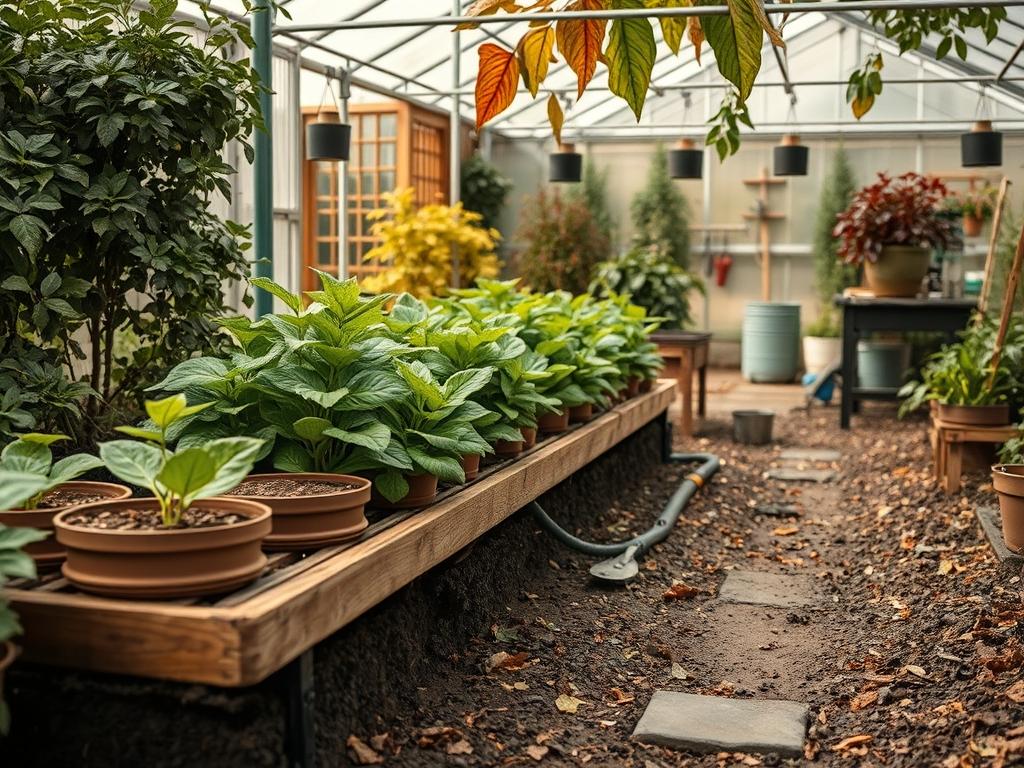
Autumn transitions often present a paradox for property owners. While the changing canopy offers a breathtaking aesthetic, the subsequent accumulation of biomass creates a significant logistical challenge for those maintaining high performance landscapes. As a landscape architect, I view Fall Leaf Management not as a chore of removal, but as a critical exercise in nutrient cycling and soil health optimization. The goal of a sustainable plan is to balance the immediate need for curb appeal and pedestrian safety with the long term vitality of the ecosystem. When leaves collect on hardscapes or turf, they can create slip hazards and smother delicate grasses; however, when properly integrated into planting beds, they serve as a free, high quality source of carbon and minerals. Professional management requires a shift from the traditional “bag and remove” mentality toward a more sophisticated “process and retain” strategy. By understanding the topography of a site and the way wind patterns deposit debris, we can design environments that essentially help manage their own seasonal transitions. This approach ensures that the outdoor living space remains functional and visually cohesive throughout the colder months while preparing the soil for a vigorous spring awakening.
Landscape Design Principles
Effective Fall Leaf Management begins on the drafting table long before the first frost arrives. Symmetry and visual balance in a landscape are often disrupted by uneven leaf distribution, which is why we must consider wind tunnels and structural barriers during the planning phase. When designing focal points, such as an ornamental Japanese Maple or a grand White Oak, the placement of adjacent elements is crucial. I recommend creating “collection zones” using low retaining walls or dense evergreen hedges that act as natural windbreaks. These features catch migrating leaves before they reach the swimming pool or the primary entry path.
Elevation layers also play a vital role in debris control. By utilizing a tiered planting strategy, we can ensure that larger fallen leaves from the canopy are caught by mid-story shrubs like Oakleaf Hydrangea, preventing them from matting down over low-growing groundcovers. Furthermore, irrigation planning must account for seasonal shifts. Rain sensors and subterranean drip lines are preferable to surface level spray heads, as heavy leaf litter can obstruct water distribution and cause localized flooding or dry spots. Walkway design should incorporate a slight cross-slope to ensure that moisture does not trap organic matter against the pavement, which often leads to staining and premature degradation of pavers or poured concrete.
Plant and Material Selection
The following table outlines species that either tolerate heavy leaf fall or contribute to a self-sustaining nutrient cycle through their own decomposition patterns. Selecting the right material palette is the difference between a high maintenance headache and a resilient outdoor environment.
| Plant Type | Sun Exposure | Soil Needs | Water Demand | Growth Speed | Maintenance Level |
| :— | :— | :— | :— | :— | :— |
| Little Bluestem | Full Sun | Well-drained | Low | Moderate | Very Low |
| Pennsylvania Sedge | Shade/Part Shade | Loose, Loamy | Medium | Moderate | Low |
| Winterberry Holly | Full/Part Sun | Acidic/Moist | High | Slow | Medium |
| Switchgrass | Full Sun | Adaptable | Low to Med | Fast | Low |
| Serviceberry | Full/Part Sun | Well-drained | Medium | Moderate | Medium |
In addition to plant selection, the choice of inert materials is paramount. For high traffic areas, I specify angular crushed stone or river rock with a diameter of at least 1 inch. Smaller aggregates like pea gravel are difficult to clear with a leaf blower without displacing the stones themselves. For mulching, a double-shredded hardwood mulch provides a textured surface that “locks” leaves in place, allowing them to decompose in situ rather than blowing across the lawn.
Implementation Strategy
Implementing a professional garden layout requires a meticulous approach to grading and edging. During the construction phase, we establish a clear “v-trench” or use steel edging to create a distinct physical boundary between turf and planting beds. This trench should be approximately 4 inches deep. It serves as a catch basin for leaves, preventing them from migrating onto the lawn where they would otherwise require constant raking.
Grading is perhaps the most overlooked aspect of Fall Leaf Management. A property should be graded to ensure that all surface runoff is directed toward catch basins or swale systems equipped with debris grates. If your backyard features a significant slope, consider installing a French drain topped with 3-inch decorative stone. This allows water to infiltrate the soil while making it easy to sweep or blow away larger organic debris.
When it comes to the mulch layer, a depth of 2 to 3 inches is the professional standard. For autumn preparation, we often suggest a “light tilling” of existing mulch before the leaves fall. This increases the surface area available for microbial activity. Using a mulching mower, a homeowner can shred fallen leaves directly into the turf or collection bags. These shredded leaves should then be spread across the garden beds as an “autumn top-dress.” This layer insulates the root systems of your perennials against the freeze-thaw cycles of winter while suppressing the emergence of winter weeds.
Common Landscaping Failures
One of the most frequent failures I encounter in residential landscapes is the neglect of drainage infrastructure. When leaves are allowed to accumulate in gutters and downspouts, they create a heavy, sodden mass that can tear hardware from the fascia or cause water to back up under the roof shingles. Similarly, if 4-inch corrugated pipes used for drainage are not fitted with leaf guards, they quickly become impacted with organic silt, leading to basement flooding or yard erosion.
Another common mistake is root overcrowding caused by excessive “volcano mulching.” This occurs when leaves and wood chips are piled high against the trunk of a tree. This practice traps moisture against the bark, inviting fungal pathogens and girdling roots. We also see many homeowners allow a thick mat of leaves to remain on the lawn for several weeks. This blocks sunlight and traps moisture, which leads to “snow mold” and the eventual death of the turf grass. Furthermore, improper spacing of seasonal shrubs often creates pockets where leaves become trapped and cannot be reached by a stiff rake or power blower, leading to unsightly rot in the center of the plant.
Seasonal Maintenance
A truly efficient landscape operates on a four season maintenance clock. In the Spring, the focus is on “the great clean up.” This involves removing any heavy leaf mats that did not decompose over the winter and checking the irrigation system for clogs. It is the time to apply a fresh 1-inch layer of compost to replenish nutrients.
During the Summer, maintenance shifts to monitoring. Ensure that your landscape edging is clear and that the grading remains effective. Healthy, dense summer growth in your groundcovers will actually help prepare the site for fall by creating a “living mulch” that can absorb some of the autumn biomass.
The Autumn phase is the most active. It involves the use of leaf blowers, shredders, and aerators. I recommend core aeration of the lawn in late September; this allows the microscopic leaf particles from your mulching mower to fall deeper into the soil profile. This is also the time to clean out compost bins to make room for the new season’s harvest.
In Winter, the landscape should be left largely undisturbed. The remaining leaf litter in the garden beds provides essential habitat for beneficial insects and pollinators that overwinter in the soil. Professional management at this stage involves “dormant pruning” using sharp pruning shears to remove any branches that might break under the weight of snow and ice, potentially adding more debris to the ground.
Professional Landscaping FAQ
How often should I remove leaves from my lawn?
You should aim to clear or mulch leaves once every seven days during the peak of the season. Allowing leaves to sit for longer than two weeks can cause significant light deprivation and moisture stress for the turf blades beneath.
Can I use whole leaves as mulch in my garden beds?
While you can use whole leaves, it is not recommended for smaller plants. Large leaves, such as those from Sycamores, can form a vacuum-sealed mat that prevents water and oxygen from reaching the soil. Shredding them first is always more effective.
What is the best tool for managing large volumes of leaves?
For large properties, a walk-behind leaf vacuum or a high-powered backpack blower is essential. For smaller urban gardens, a heavy duty adjustable rake and a simple compost tumbler are often sufficient to manage the seasonal biomass efficiently.
Do fallen leaves change the pH of my soil?
Contrary to popular belief, most leaves have a negligible effect on soil pH once they are fully decomposed. While Oak leaves are slightly acidic when fresh, the buffering capacity of most residential soils handles the transition without requiring supplemental lime or sulfur.
Should I remove leaves from my gravel paths?
Yes; leaves should be removed from gravel and stone walkways promptly. If left to decompose, they turn into organic “fines” that fill the gaps between the stones, creating a medium for weed growth and ruining the drainage properties of the path.