
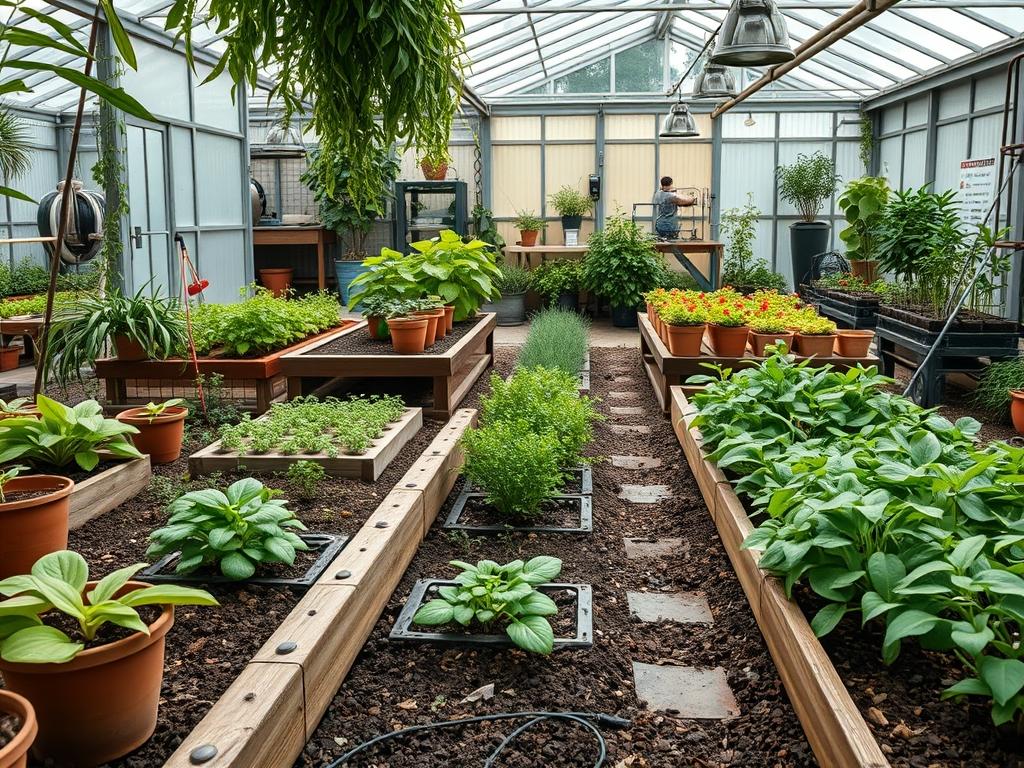
Designing a cohesive outdoor environment requires a sophisticated understanding of both architectural geometry and biological cycles. The transition from a structured indoor living space to an organic backyard setting is often the most challenging aspect of residential planning. Landscape architects must consider the specific climate of the region, ensuring that the chosen materials and flora can withstand seasonal temperature fluctuations. A well designed landscape does more than simply increase curb appeal; it serves as a functional extension of the home, providing areas for recreation, relaxation, and social engagement. One of the most significant factors in extending the usability of these spaces into the evening hours is the implementation of a high quality illumination scheme. Selecting a Modern Deck Lighting Top system allows for a seamless blend of safety and aesthetics, highlighting elevation changes and structural boundaries while creating an inviting ambiance.
Landscape Design Principles
Professional landscaping begins with the core concept of symmetry and visual balance. This does not necessarily mean creating a mirror image on both sides of a yard, but rather balancing the visual weight of different elements. For example, a large specimen tree on one side can be balanced by a grouped arrangement of smaller shrubs or a significant hardscape features on the other. Focal points are essential for directing the eye and creating interest within the space. These might include a custom water feature, a stone sculpture, or a strategically lit seating area.
Elevation plays a vital role in the perception of space. By creating layers within the garden, designers can make a small area feel more expansive. This is often achieved through the use of retaining walls, terraced planting beds, and multi level decking. Irrigation planning must occur simultaneously with the design phase to ensure that water delivery systems are hidden beneath the surface and tailored to the specific needs of each planting zone. Walkways should be wide enough for two people to pass comfortably, typically requiring a width of at least 48 inches. These paths should be constructed with a solid sub-base of crushed stone and compacted sand to prevent shifting over time.
Plant and Material Selection
Selecting the right biological components is critical for long term sustainability. A landscape that looks beautiful for one season but fails in the next is an architectural failure. The following table outlines several hardy and popular species used in modern professional designs.
| Plant Type | Sun Exposure | Soil Needs | Water Demand | Growth Speed | Maintenance Level |
| :— | :— | :— | :— | :— | :— |
| English Boxwood | Full to Partial | Well-drained, Loamy | Moderate | Slow | Medium |
| French Lavender | Full Sun | Sandy, Alkaline | Low | Moderate | Low |
| Northwestern Switchgrass | Full Sun | Various/Adaptable | Moderate | Fast | Low |
| Bigleaf Hydrangea | Partial Shade | Moist, Rich | High | Moderate | Medium |
| Japanese Maple | Partial Shade | Loamy, Acidic | Moderate | Slow | Low |
| Creeping Thyme | Full Sun | Well-drained, Poor | Low | Moderate | Low |
| Blue Star Juniper | Full Sun | Dry to Medium | Low | Slow | Very Low |
In addition to plants, material selection for hardscaping is paramount. Natural flagstone, thermal finish bluestone, and composite decking are favored for their durability and low maintenance requirements. When constructing decks or patios, the integration of lighting is a primary concern. The use of a Modern Deck Lighting Top solution provides the necessary lumens to navigate stairs and edges without the harsh glare associated with industrial floodlights.
Implementation Strategy
The actual execution of a landscape plan should follow a logical sequence to avoid rework and damage to new installations. The process begins with grading and drainage. Proper site grading ensures that water flows away from the home foundation and toward designated drainage areas or dry wells. A standard slope of one quarter inch per foot is usually sufficient to prevent standing water.
Once the rough grade is established, hardscaping begins. This includes the installation of retaining walls, paver patios, and decking frames. During this phase, any underground utilities, including irrigation lines and low voltage lighting cables, must be buried at a depth of at least 6 to 12 inches. After the structural elements are in place, soil amendments are added to planting beds to optimize the pH and nutrient levels for the specific plants chosen.
Edging provides a crisp boundary between turf and garden beds, preventing grass from encroaching on ornamental areas. Heavy duty steel edging or poured concrete curbs offer the cleanest lines for modern aesthetics. Finally, mulch should be applied to a depth of 3 inches. This layer suppresses weeds, retains moisture, and regulates soil temperature. Using a high quality triple-shredded hardwood mulch or pine bark nuggets ensures a professional finish that will decompose over time and improve soil structure.
Common Landscaping Failures
The most frequent mistake in amateur landscaping is poor drainage. If water is allowed to pool against hardscape elements or at the base of trees, it can lead to structural rot or root asphyxiation. Another common error is improper spacing. Homeowners often buy plants based on their size at the nursery, failing to account for their mature spread. This leads to overcrowding within three to five years, requiring expensive removal or aggressive pruning.
Soil compaction is another silent killer of landscape health. During construction, heavy machinery can compress the soil, destroying the pore spaces required for oxygen and water to reach plant roots. It is essential to aerate or rototill compacted areas before planting. Additionally, many people install irrigation systems that spray directly onto the siding of the home or onto the leaves of plants during the hottest part of the day, which can invite fungal diseases and cause structural damage to the residence.
Seasonal Maintenance
A landscape is a living entity that requires consistent care throughout the year. In the spring, the focus should be on cleanup and preparation. This involves removing winter debris, applying a pre-emergent weed control, and performing dormant pruning on deciduous trees before bud break. It is also the ideal time to inspect the Modern Deck Lighting Top fixtures for any damage caused by snow or ice and to replace any burnt out bulbs or damaged wiring.
Summer maintenance is primarily about water management. During periods of extreme heat, monitoring soil moisture levels is critical. Deep, infrequent watering is generally better than light, daily sprinkling because it encourages roots to grow deeper into the soil. Autumn is the season for restoration. It is the best time to aerate and overseed the lawn, plant new trees and shrubs, and clean out perennial beds. Winter care involves protecting sensitive plants from frost with burlap wraps and ensuring that hardscape surfaces are kept clear of heavy snow loads which can cause warping or cracking.
Professional Landscaping FAQ
How often should I test my soil?
You should conduct a professional soil test every two to three years. This analysis determines the pH levels and nutrient deficiencies, allowing you to apply the correct fertilizers rather than guessing at what your plants need for optimal growth.
What is the best way to prevent weeds in garden beds?
A combination of a geotextile weed barrier and a consistent 3 inch layer of mulch is most effective. For established beds, a pre-emergent herbicide applied in early spring can stop weed seeds from germinating before they become a problem.
How do I choose the right lighting for my deck?
Focus on a Modern Deck Lighting Top system that offers weather resistance and warm color temperatures. Ensure the fixtures are placed at key transition points, such as stairs and corners, to maximize both safety and the architectural beauty of the structure.
Is it better to use native plants or exotic species?
Native plants are generally preferred because they are adapted to the local climate and soil conditions. They typically require less water and fewer chemical treatments, making them a more sustainable and low maintenance choice for most residential landscapes.
Why are my pavers sinking or shifting?
Shifting usually indicates an inadequate sub-base. Pavers require at least 4 to 6 inches of compacted gravel followed by a thin layer of sand. Without this stable foundation, the freeze-thaw cycle and water runoff will cause the ground to move.