
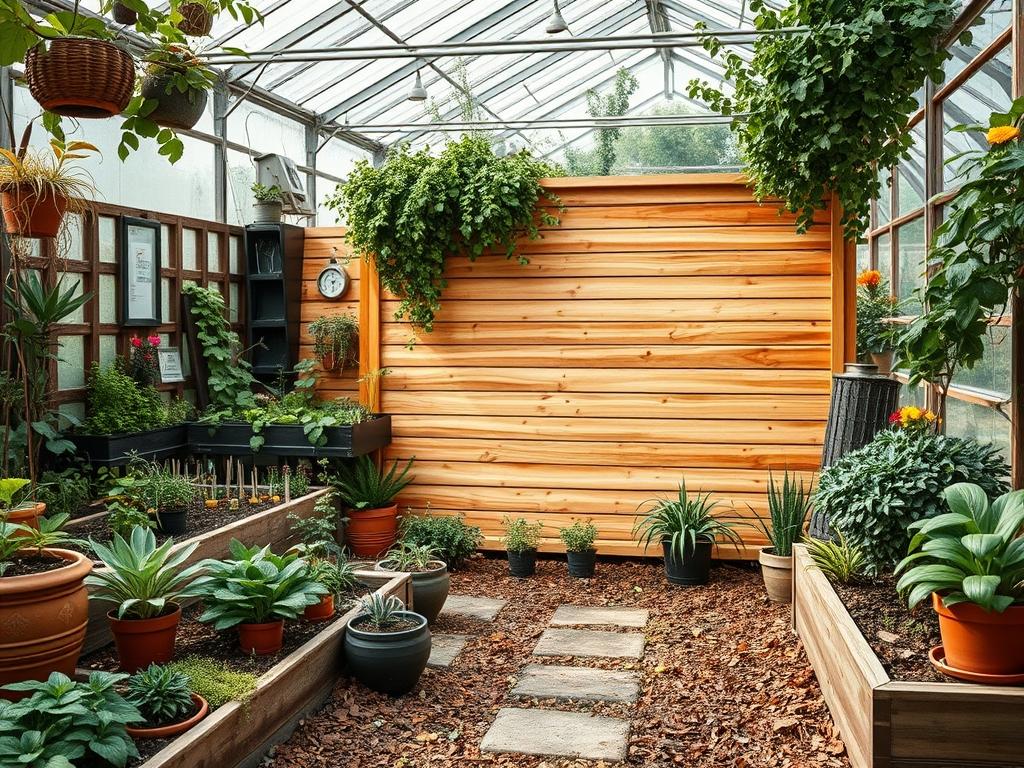
Creating a functional and aesthetically pleasing outdoor environment requires more than just a collection of plants and hardscape elements. It demands a strategic approach to spatial definition and privacy. For many homeowners, the challenge lies in balancing the desire for open air with the necessity of seclusion from neighboring views or street noise. A well-designed Backyard Privacy Screen Wood installation serves as the structural backbone of this effort. It provides a vertical plane that defines the boundary of an outdoor room while offering a warm, organic texture that complements both modern and traditional architectural styles. Beyond mere screening, these structures impact climate micro-regulations by providing windbreaks and dappled shade, which can significantly improve the usability of a patio during peak summer hours. When integrated with a comprehensive landscape plan, these screens enhance curb appeal and property value by transforming an exposed lawn into a sophisticated private sanctuary.
Landscape Design Principles
Effective landscape architecture relies on the mastery of spatial hierarchy and visual flow. When incorporating a Backyard Privacy Screen Wood feature, symmetry and balance must be prioritized to ensure the structure does not overwhelm the existing topography. A common approach involves using the screen as a backdrop to create a focal point, such as a water feature or a high-end seating group. Elevation layers are essential here; designers typically recommend placing taller structural elements at the perimeter and scaling down to mid-sized shrubs and low-lying perennials as the eye moves toward the center of the yard.
Irrigation planning is another critical pillar of design that must be addressed during the initial layout. Placing a wooden screen in an area with high-volume sprayers can lead to premature rot or staining, so designers often transition to drip irrigation systems near the base of the wood. Furthermore, the integration of walkways should guide guests toward the screening area without creating awkward dead ends. A path constructed of decomposed granite or natural flagstone can provide a visual lead-in that anchors the vertical screen to the horizontal plane of the earth. By balancing the weight of the wood with thin-profile metal edging, the landscape achieves a modern, clean-lined appearance.
Plant and Material Selection
Selecting the right combination of timber and greenery ensures that the privacy barrier remains resilient against the elements while providing seasonal interest. The following table outlines optimal selections for zones surrounding a Backyard Privacy Screen Wood structure.
| Plant or Material | Sun Exposure | Soil Needs | Water Demand | Growth Speed | Maintenance Level |
| :— | :— | :— | :— | :— | :— |
| Western Red Cedar | Full Sun/Shade | N/A (Timber) | None | N/A | Low (if stained) |
| Columnar Arborvitae | Full Sun | Well-drained | Moderate | Medium | Low |
| Star Jasmine | Full Sun/Part Shade | Loamy | Moderate | Fast | Moderate |
| Japanese Forest Grass | Part Shade/Shade | Moist/Rich | High | Slow | Low |
| Ipe Hardwood | Full Sun/Shade | N/A (Timber) | None | N/A | Very Low |
| Sky Rocket Juniper | Full Sun | Sandy/Loamy | Low | Fast | Low |
Implementation Strategy
The execution of a modern backyard layout begins with professional grading to ensure water moves away from the home and the footings of any timber structures. Before the first 4×4 post is set, the site must be surveyed for underground utilities and local zoning setbacks. Once the perimeter is marked, the installation of the Backyard Privacy Screen Wood commences with digging post holes to a depth of at least 36 inches, or below the local frost line, to prevent heaving. Using quick-set concrete, the posts are leveled and allowed to cure for a minimum of 48 hours before the horizontal slats are attached.
For a modern aesthetic, designers often utilize a horizontal orientation for the wood slats with a half-inch gap between boards. This allows for airflow and prevents the screen from acting like a sail during high winds. Following the structural installation, the focus shifts to the ground layer. Steel edging is used to create crisp borders between turf and planting beds. A 3-inch layer of organic mulch is then applied to the beds to suppress weeds and retain moisture for the new plantings. Proper drainage is facilitated through the installation of French drains or dry creek beds if the site has a natural slope that causes water to pool near the privacy screen.
Common Landscaping Failures
One of the most frequent errors in garden planning is the failure to account for drainage around hardscape footings. When water accumulates at the base of a Backyard Privacy Screen Wood structure, it compromises the soil density and leads to leaning or structural failure over time. Furthermore, root overcrowding occurs when homeowners plant large privacy hedges too close to the wooden screen. As the plants mature, the outward pressure from the root balls can shift the posts, while the lack of airflow between the foliage and the wood promotes fungal growth and wood decay.
Soil compaction is another silent killer of landscape health. During the construction of a privacy screen, heavy foot traffic and equipment can compress the soil, stripping it of the oxygen necessary for plant roots to thrive. This is often ignored until the surrounding plants begin to yellow and die. Finally, irrigation inefficiencies, such as mismatched nozzle types or over-watering, can lead to iron staining on the wood and the leaching of nutrients from the soil. Professionals avoid these pitfalls by conducting a percolation test before planting and ensuring that all irrigation zones are calibrated to the specific needs of each plant species.
Seasonal Maintenance
Maintaining a high-end landscape requires a rhythmic approach to care that changes with the seasons. In the spring, the primary focus is on renewal. This involves testing the irrigation zones for leaks, applying a slow-release fertilizer to the perennials, and inspecting the Backyard Privacy Screen Wood for any signs of winter damage or loose fasteners. It is also the ideal time to refresh the mulch to ensure a consistent depth for moisture retention during the upcoming heat.
Summer maintenance is centered on moisture management and pest control. During periods of extreme heat, deep watering should be performed in the early morning hours to minimize evaporation. As autumn arrives, the focus shifts to cleanup and preparation for dormancy. Homeowners should remove fallen leaves from the base of the wood screen to prevent moisture traps and perform structural pruning on any overhanging limbs. Finally, in the winter, the landscape consultant recommends a dormant oil spray for certain woody ornamentals and a visual inspection of the wood finish. If the water stops beading on the surface of the cedar or ipe, a fresh coat of UV-resistant sealant should be planned for the following spring.
Professional Landscaping FAQ
How deep should the footings be for a wood screen?
For most residential screens, footings should reach a depth of 36 inches. This ensures the structure remains stable against wind loads and prevents shifting during ground freeze cycles. Always check local building codes for specific regional requirements regarding post depth.
What is the best wood for a modern privacy screen?
Western Red Cedar and Ipe are the premier choices. Cedar offers natural rot resistance and a classic scent, while Ipe provides extreme durability and a tight grain. Both materials withstand environmental stressors better than pressure-treated pine or softwoods.
How do I prevent wood rot at the ground level?
Ensure that the wooden posts are set in concrete that is sloped slightly away from the timber. Maintain a gap between the bottom slat and the mulch line. This prevents moisture from wicking into the end grain of the wood.
Can I grow climbing vines on a wood privacy screen?
Yes, but it requires a secondary support system like stainless steel cables. Growing vines directly on the wood can trap moisture and accelerate decay. Using a standoff system allows for airflow between the foliage and the Backyard Privacy Screen Wood.
How often should I seal my wooden privacy screen?
High-quality oils or sealants generally require reapplication every two to three years. The frequency depends on sun exposure and local humidity. Perform a water-bead test annually to determine if the protective layer has degraded and requires a refresh.