
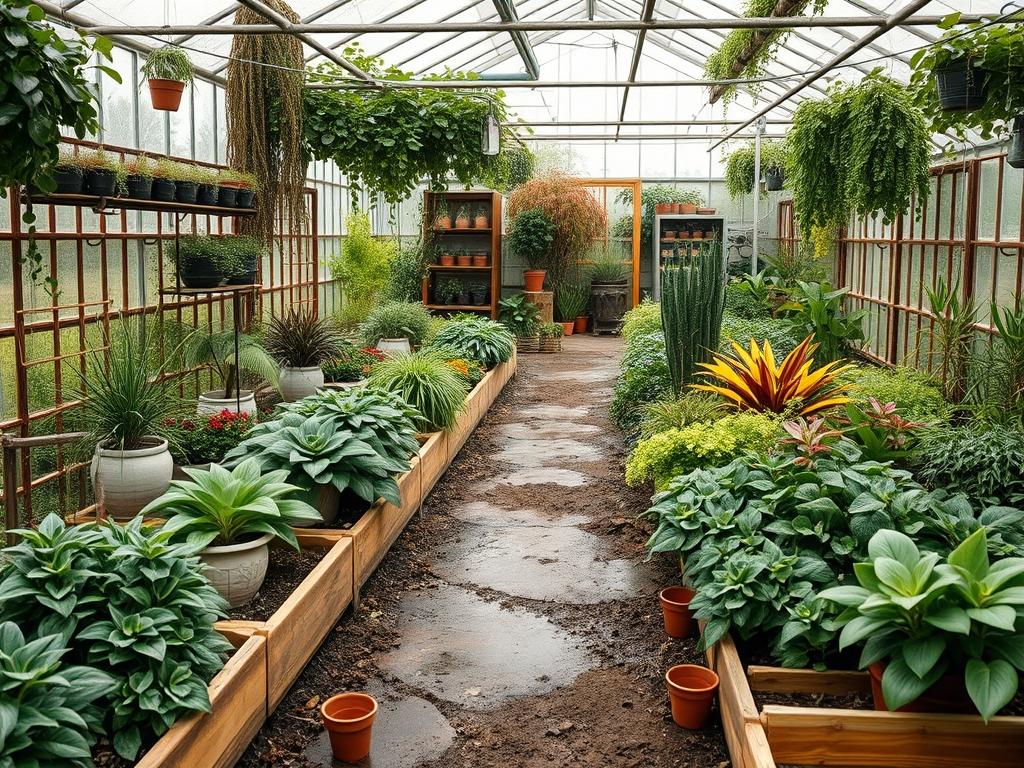
Designing a landscape within the shadows of a north-facing facade or beneath a dense forest canopy presents a unique set of challenges that many homeowners find daunting. However, deep shade is not a death sentence for aesthetic appeal or outdoor functionality. It is an opportunity to cultivate a lush, tranquil environment that offers a cool retreat during the height of summer. From a professional standpoint, the goal is to transform these low light areas into vibrant extensions of the home by selecting specific species that thrive where others fail. Achieving this success requires an understanding of microclimates, as the lack of sunlight often leads to higher humidity and slower evaporation rates. A well-executed shade garden increases curb appeal by softening the harsh lines of a building and providing a seamless transition between the built environment and the natural world.
Landscape Design Principles
When approaching deep shade, the primary objective is to maximize visual luminosity. Since shadows naturally flatten the perception of space, a landscape architect uses texture and color to create depth and interest. Symmetry can be effective in formal entries, but in deep shade, a more naturalistic, asymmetrical approach often works best to mimic the organic feel of a forest floor. Focal points are essential to draw the eye through the space. These can be achieved using stone sculptures, a white-painted wooden bench, or a pale-colored ceramic water feature. Bright highlights, such as variegated foliage or white blooms, act as lanterns in dark corners.
Elevation layers are the backbone of any professional layout. By structuring the garden into levels, you create a sense of abundance. The canopy layer consists of established trees, while the understory contains large shrubs like Oakleaf Hydrangea. Below that, the herbaceous layer features perennials such as Hostas and Ferns, followed by a ground-cover layer of Sweet Woodruff or Vinca Minor. This verticality ensures every inch of the vertical plane is utilized. Furthermore, irrigation planning must account for the rain shadow effect where dense tree canopies or roof overhangs prevent natural precipitation from reaching the soil. Walkways should be constructed from porous materials like gravel or flagstone to manage runoff and prevent the area from becoming muddy or stagnant.
Plant and Material Selection
| Plant Type | Sun Exposure | Soil Needs | Water Demand | Growth Speed | Maintenance Level |
| :— | :— | :— | :— | :— | :— |
| Hosta (Large Cultivars) | Deep Shade | Rich, Organic | Moderate to High | Medium | Low |
| Japanese Painted Fern | Part to Full Shade | Well-drained, Acidic | Consistent | Fast | Low |
| Cast Iron Plant | Full Shade | Adaptable | Low | Slow | Very Low |
| Astilbe | Part to Full Shade | Consistently Moist | High | Medium | Moderate |
| Hakonechloa (Forest Grass) | Part to Full Shade | Humus-rich | Moderate | Slow | Low |
| Heuchera (Coral Bells) | Shade to Part Sun | Well-drained | Moderate | Medium | Low |
| Tiarella (Foamflower) | Deep Shade | Rich, Loamy | Moderate | Fast | Low |
| Japanese Yew | Full Shade | Well-drained | Low to Moderate | Slow | Moderate |
Implementation Strategy
The successful installation of a shade garden begins with grading and site preparation. Because shaded areas often retain more moisture, the soil must be graded at a 2 percent slope away from the home foundation to prevent water intrusion. If the area is located beneath large trees, avoid heavy machinery that might cause soil compaction around sensitive root zones. Instead, use hand tools to incorporate 3 inches of high-quality organic compost into the top 6 inches of existing soil. This improves drainage and provides the nutrient density required for shade-loving species.
Once the grade is set, define the garden beds with crisp edging. A deep spade edge or a metal border helps contain the spread of ground covers and keeps hardwood mulch from migrating onto walkways. When placing plants, follow the spacing recommendations strictly. It is tempting to crowd plants for immediate impact, but air circulation is vital in shaded zones to prevent powdery mildew and fungal pathogens. After planting, apply a 2 to 3 inch layer of mulch. This layer regulates soil temperature and suppresses weeds while retaining the moisture that many woodland plants crave. If the soil is particularly heavy clay, consider installing a French drain or a gravel-filled trench to redirect excess water toward a suitable outlet.
Hardscaping elements like retaining walls can also be used to create raised planters. This is particularly effective in deep shade because raised beds offer superior drainage compared to the often-compacted ground under old growth. Using light-colored stone, such as buff limestone or light gray granite, will further brighten the space. Ensure that any electrical wiring for low-voltage lighting is buried at least 6 inches deep during the initial excavation phase. Use soft, warm-colored LED lights to illuminate pathways and highlight the textures of the foliage at night.
Common Landscaping Failures
The most frequent mistake in shade landscaping is the over-irrigation of plants. Because sunlight does not evaporate surface moisture quickly, it is very easy to drown the root systems of even moisture-loving plants like Astilbe. This leads to root rot, which is often mistaken for underwatering because the plant wilts as its roots fail. Always check the soil moisture levels at a depth of 2 inches before activating the irrigation system. Another error is planting too close to the trunks of mature trees. This creates a competition for nutrients and water that usually leaves the smaller ornamental plants stunted.
Soil compaction is another silent killer in shaded areas. High foot traffic on damp, shaded soil crushes the air pockets necessary for root respiration. To fix this, use defined walkways and avoid walking directly on the garden beds. Furthermore, homeowners often ignore the pH levels of the soil. Many deep-shade plants, such as Azaleas or Pieris Japonica, require acidic conditions. Planting them in alkaline soil will lead to chlorosis, where leaves turn yellow despite proper watering. Finally, neglecting the impact of leaf litter can smother small perennials. While some leaf cover is natural, a dense mat of wet leaves in the autumn can suffocate the crowns of dormant plants.
Seasonal Maintenance
Seasonal management is the key to longevity in a shade-dominated landscape. In the spring, begin by removing any matted leaves and debris to allow the soil to warm up. This is the ideal time to apply a slow-release, balanced fertilizer and to divide overgrown Hostas or Ferns. Check the integrity of all irrigation lines, as winter freezes can cause cracks in polyethylene tubing or sprinkler heads. Replace the mulch layer if it has decomposed, ensuring that it does not touch the base of shrubs or tree trunks, which can lead to bark decay.
During the summer, the focus shifts to moisture management and pest control. Slugs and snails are particularly fond of the cool, damp conditions found in deep shade. Use organic baits or copper barriers to protect vulnerable foliage. If a dry spell occurs, deep-soak the area once or twice a week rather than providing frequent shallow waterings. In autumn, as the canopy begins to drop its leaves, use a leaf blower or a rake to keep the garden beds clear. This is also the time to plant spring-flowering bulbs like Yellow Trout Lily or Snowdrops, which thrive in the early spring sunlight before the trees fully leaf out. Winter maintenance is minimal, but it is important to prune any dead or damaged limbs from the overhead canopy to prevent heavy snow or ice from causing limb fall that could crush the understory plantings below.
Professional Landscaping FAQ
How do I know if I have deep shade or part shade?
Deep shade occurs where there is no direct sunlight and very little reflected light. This typically happens under thick evergreen canopies or between tall buildings. Part shade usually receives between three and six hours of direct sun daily.
Can I grow grass in deep shade?
Most turfgrasses require significant sunlight to photosynthesize. In deep shade, traditional lawns usually thin out and die. It is better to use shade-tolerant ground covers like Pachysandra or Mondo Grass as a more sustainable, low-maintenance alternative.
Which plants provide the best color in dark areas?
Focus on plants with variegated foliage, such as variegated Solomon’s Seal or white-edged Hostas. For blooms, Bleeding Hearts and Hellebores offer early season color, while white Astilbe provides a bright vertical accent in the mid-summer months.
How do I manage tree roots when planting?
Never cut large structural roots. Instead, use a hand trowel to find pockets between established roots for smaller plants. If the root mat is too thick, consider using a thin layer of compost and planting very small, young starts.
Does mulch attract pests in the shade?
While mulch provides a habitat for beneficial insects, it can also harbor slugs if it is too thick or overly saturated. Keep mulch depth to a maximum of 3 inches and ensure it is kept away from plant stems.