
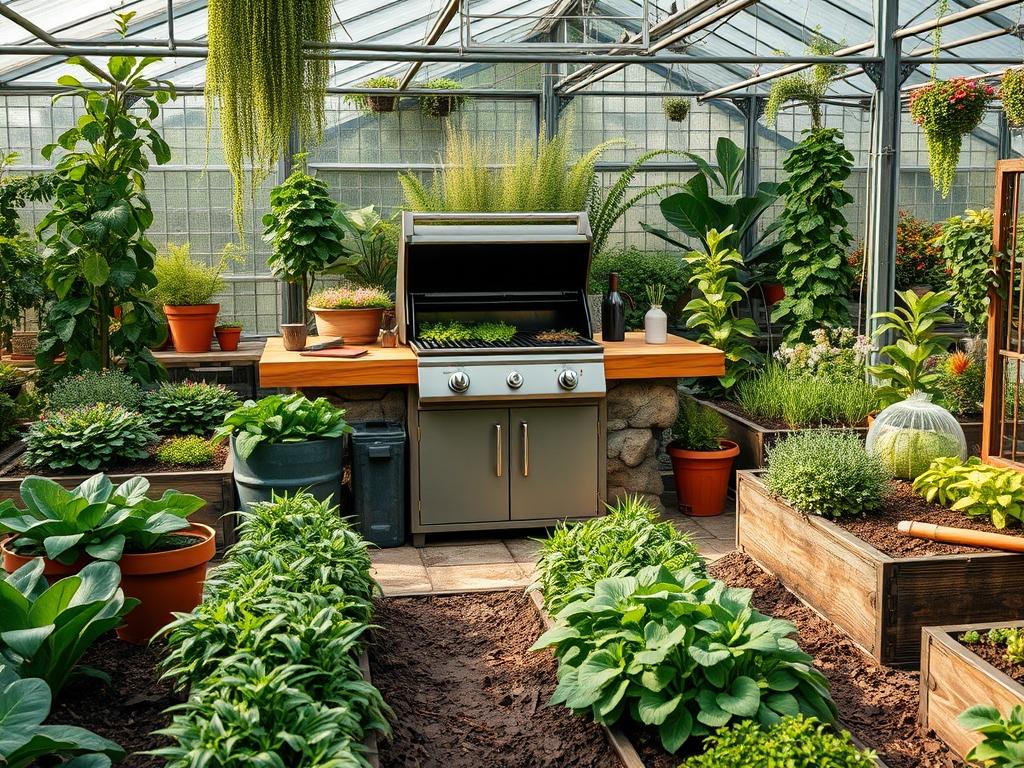
Designing an Outdoor Barbecue Island requires a sophisticated understanding of how structural elements interact with the living landscape. This feature is no longer a simple standalone grill; it has evolved into a permanent architectural anchor that dictates the flow and functionality of the modern backyard. When planning such a project, a landscape architect must consider the site microclimate, specifically the prevailing wind patterns that carry smoke toward or away from the residence. The goal is to create a seamless transition between the hardscape of the kitchen and the softscape of the garden. A well-placed island enhances curb appeal by providing a structured focal point that suggests luxury and order. From a functional perspective, the design must account for utility lines, guest circulation, and the thermal mass of materials used in construction. Failure to integrate these elements results in a disjointed environment where the chef is isolated from the social gathering or, conversely, the guests are overwhelmed by heat and exhaust.
Landscape Design Principles
Symmetry and balance form the bedrock of a successful Outdoor Barbecue Island installation. If the island is located on one side of a patio, it must be visually counterweighted by a structural or botanical element on the opposite side, such as a large Specimen Tree or a raised planter box. This creates a sense of equilibrium. Elevation layers are equally important. By varying the height of the island counters, perhaps including a 42-inch high bar top alongside a 36-inch high prep surface, we create visual interest and functional zones. This layering should ideally be reflected in the surrounding landscaping through the use of tiered garden beds or low-profile Retaining Walls that double as overflow seating.
Focal points should be intentional. The textures of the kitchen facade, whether Stacked Stone, Stucco, or Brick, should complement the primary residence while standing out against the green backdrop of the garden. Irrigation planning is a critical but often overlooked principle. When a permanent structure like an island is installed, it frequently disrupts existing sprinkler lines. A professional plan reroutes these lines into a dedicated zone for the plantings immediately surrounding the kitchen, ensuring that high-traffic areas do not become swampy while the perimeter remains hydrated. Walkway width is also vital; a minimum of 48 inches of clearance is required around the island to allow for safe passage of guests while the chef is at work.
Plant and Material Selection
The following table provides a selection of plants well-suited for the environment surrounding an Outdoor Barbecue Island, focusing on durability and aesthetic harmony.
| Plant Type | Sun Exposure | Soil Needs | Water Demand | Growth Speed | Maintenance Level |
| :— | :— | :— | :— | :— | :— |
| English Boxwood | Full to Partial | Well-drained loamy | Moderate | Slow | Moderate (Pruning) |
| French Lavender | Full Sun | Sandy, alkaline | Low | Medium | Low (Deadheading) |
| Rosemary | Full Sun | Poor, rocky soil | Low | Fast | Low |
| Blue Star Juniper | Full Sun | Adaptable | Low | Slow | Very Low |
| Dwarf Fountain Grass| Full to Partial | Moist but drained | Moderate | Fast | Low (Cut back yearly)|
| Japanese Forest Grass| Partial to Shade | Rich, organic | High | Slow | Moderate |
When selecting materials for the island itself, durability is paramount. Granite remains the gold standard for countertops because of its resistance to heat and UV degradation. For the base, Concrete Masonry Units (CMU) provide a fireproof and structurally sound core that can be finished with a variety of veneers. Using Natural Slate or Flagstone for the surrounding floor area provides a slip-resistant surface that stays cooler than dark asphalt or certain tile types.
Implementation Strategy
The construction of an Outdoor Barbecue Island begins with a rigorous site analysis and grading plan. To prevent water from pooling around the base of the structure, the surrounding ground must be graded at a 2 percent slope away from the island and any adjacent buildings. Once the footprint is marked, the first step is the excavation for the foundation. For a heavy masonry island, a 4-inch to 6-inch reinforced concrete slab is typically required to prevent settling and cracking over time.
Before the concrete is poured, all utility conduits for gas, electricity, and water must be trenched and positioned. If you are using natural gas, the lines must be buried at least 18 inches deep, depending on local building codes. Once the foundation is cured, the framing begins. While many professionals use Galvanized Steel Studs for their fire resistance and lightweight nature, others prefer the permanence of concrete block. After the frame is established, the exterior finish is applied. This involves a Scratch Coat of mortar followed by the application of stone veneer. Finally, the landscaping is integrated. Use Geotextile Fabric under a 3-inch layer of hardwood mulch or decorative stone in the beds adjacent to the island to suppress weeds and maintain moisture. Edging, made of Steel or Heavy-duty Plastic, should be used to create a crisp line between the lawn and the kitchen area.
Common Landscaping Failures
The most frequent mistake in designing these spaces is inadequate drainage. When a large non-porous surface like a barbecue island is added, it changes the way rainwater moves across the property. Without a French Drain or a proper swale, water can backup into the kitchen structure, leading to mold or foundation rot. Another common failure is root overcrowding. Designing small plant pockets too close to the heat of the grill will result in scorched foliage. Plants need a buffer zone of at least 24 to 36 inches from the heat source to thrive.
Soil compaction is a silent killer of garden health during these projects. Heavy machinery used to haul stones and equipment compresses the soil, crushing the air pockets that roots need to breathe. If the soil is not properly aerated and amended with Organic Compost after construction, the surrounding plants will struggle for years. Furthermore, improper spacing of shrubs often leads to a cluttered look within three years of installation. Always design based on the Mature Spread of the plant species rather than its size at the nursery. Lastly, ignoring the “work triangle” concept, common in indoor kitchens, leads to inefficiency. Keep the grill, sink, and refrigeration units in a logical proximity to minimize unnecessary movement.
Seasonal Maintenance
Spring is the time for a system-wide audit. Inspect the gas lines for leaks using a soapy water test and check all irrigation emitters to ensure they were not crushed during the winter. This is also the best time to apply a Pre-emergent Herbicide to the garden beds to prevent weed growth. As the weather warms into Summer, the focus shifts to moisture management. High heat from the sun combined with the radiant heat from the barbecue can dry out nearby plants quickly. Increase the watering frequency for the Container Plants located on the island itself, as pots lose moisture faster than the ground.
During Autumn, the priority is debris management. Leaf litter should be cleared from the gaps between stones and away from the base of the island to prevent staining and rot. For those in colder climates, Winter maintenance involves winterizing the plumbing system. All water lines must be drained and the main valve shut off to prevent burst pipes. Cover the stainless steel components of the grill with a Heavy-duty Vinyl Cover, and ensure that any sensitive masonry is sealed to prevent the freeze-thaw cycle from popping off the veneer stones.
Professional Landscaping FAQ
Do I need a permit for a barbecue island?
Most municipalities require permits for running new gas, electrical, or water lines. Permanent masonry structures over a certain size may also require a building permit to ensure they meet local safety codes and setback requirements from property lines.
What is the best material for a maintenance-free countertop?
Honed Granite or Engineered Quartz rated for outdoor use are the most durable options. They resist staining from food and grease while standing up to extreme temperature fluctuations. Avoid porous stones like marble, which etch and stain easily outdoors.
How do I prevent my island from sinking or cracking?
A proper Sub-base is essential. You must excavate the soil, compact a layer of Crushed Gravel, and pour a reinforced concrete pad. This distributes the weight of the island evenly and prevents the structure from shifting with the soil.
Which plants provide the best privacy screening around a kitchen?
Columnar Evergreens like Spartan Junipers or Arborvitae provide dense, year-round green walls. For a softer look, consider clumping bamboo in deep planters, which offers height and a gentle rustling sound that masks neighbor noise without spreading aggressively.
How can I manage drainage behind a retaining wall near my island?
Install a Perforated Drain Pipe at the base of the wall’s interior, surrounded by Clean Gravel. This relieves hydrostatic pressure by allowing water to escape through Weep Holes, preventing the wall from leaning or collapsing over time.