
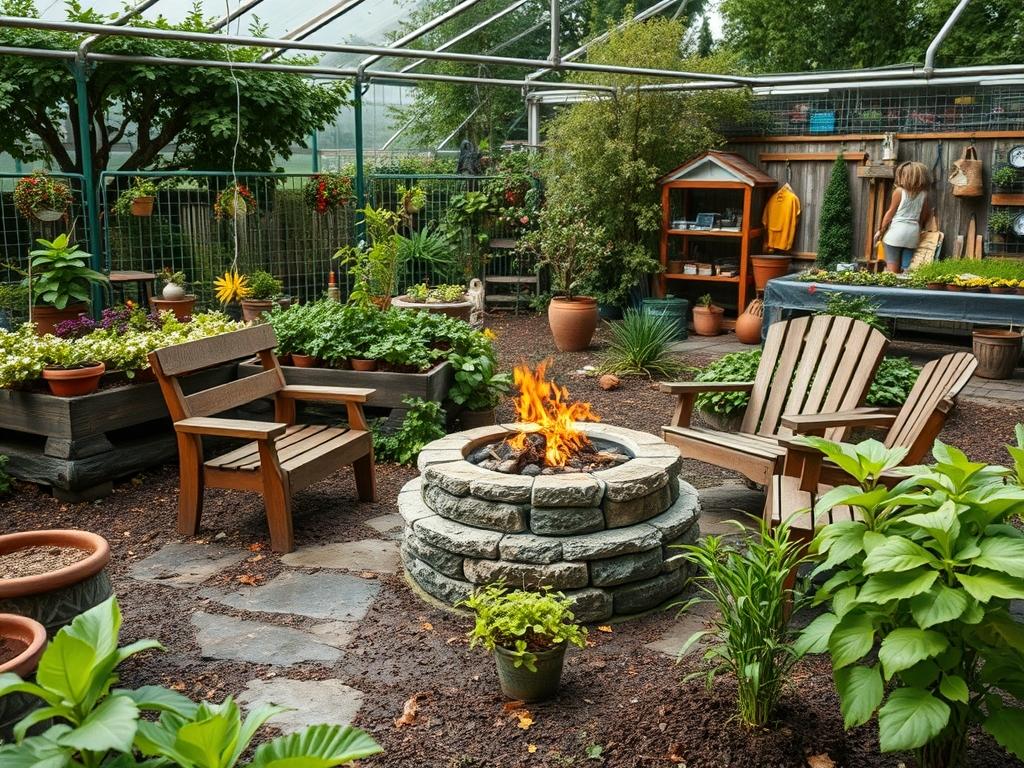
The allure of a flickering flame draws people together, yet the success of a backyard fire pit seating area depends entirely on how the surrounding environment is engineered. As a landscape architect, I view the fire pit not merely as a heat source but as a structural anchor that must balance aesthetics with rigorous safety standards and functional flow. Designing this space requires a deep understanding of site conditions, ranging from prevailing wind patterns that dictate smoke travel to the topographical nuances of your lot. A well executed seating area increases property value and curb appeal while creating a sophisticated outdoor room that extends the usability of the home into the shoulder seasons. The challenge lies in integrating the hardscape seamlessly with the softscape, ensuring that the transition from a manicured lawn to a stone hearth feels intentional rather than haphazard.
Landscape Design Principles
Effective backyard fire pit seating relies on several foundational design pillars that ensure the space feels grounded and proportional. Symmetry often defines formal pits, where a central focal point is flanked by mirrored plantings or identical Stone Benches. For a more organic, rustic feel, asymmetrical balance allows the architect to use varying plant heights and irregular Flagstone shapes to mimic a natural clearing. Regardless of the style, the focal point remains the fire. All sightlines must lead toward the hearth without feeling claustrophobic. This is achieved by adhering to the rule of thirds, where the fire pit occupies a primary zone while the surrounding seating and peripheral gardens provide the necessary visual support.
Elevation changes offer a unique opportunity to define the space. A sunken fire pit creates an intimate, protected atmosphere that shields users from the wind, while a raised hearth can double as extra seating for larger gatherings. When planning the layout, irrigation must be addressed early. You must ensure that PVC Sleeves are installed beneath the hardscape before any stones are set; this allows for future lighting or water lines without the need to tear up the finished project. Walkways are equally vital. They should be at least 36 inches wide to allow for comfortable passage and should be constructed from materials that complement the fire pit itself. By using a consistent material palette, the designer creates a sense of “rhythm” that leads the eye through the garden.
Plant and Material Selection
Selecting the right materials for a fire pit zone involves balancing heat resistance with the biological needs of nearby flora. The following table highlights species that provide structure and beauty without encroaching on the heat zone.
| Plant Type | Sun Exposure | Soil Needs | Water Demand | Growth Speed | Maintenance Level |
| :— | :— | :— | :— | :— | :— |
| Boxwood | Full to Partial Sun | Well-drained | Moderate | Slow | Medium |
| Lavender | Full Sun | Sandy/Gravelly | Low | Moderate | Low |
| Switchgrass | Full Sun | Various | Low | Fast | Low |
| Creeping Thyme | Full Sun | Well-drained | Low | Moderate | Low |
| Japanese Maple | Partial Shade | Loamy/Acidic | Moderate | Slow | High |
| Blue Fescue | Full Sun | Well-drained | Low | Moderate | Low |
For hardscaping, the choice of stone or brick dictates the longevity of the installation. Fire Bricks are essential for the interior of the pit to withstand high temperatures, while the exterior can be finished in Stacked Slate or Cultured Stone. The floor of the seating area should consist of permeable materials, such as Pea Gravel, Decomposed Granite, or Permeable Pavers, which allow rainwater to infiltrate the ground rather than pooling around the seating.
Implementation Strategy
The construction of a professional grade fire pit area begins with a clear site plan and precise grading. Before a single stone is laid, the area must be excavated to a depth that accounts for the Sub-base, Leveling Sand, and the final material. A standard depth for the sub-base is 4 to 6 inches of compacted Crushed Stone or Road Base. During this phase, the landscape must be graded to a 1% or 2% slope away from the house and the fire pit itself to prevent drainage issues. If the site is on a slope, a Retaining Wall may be necessary to create a level terrace.
Once the grading is complete, lay down a heavy duty Geotextile Fabric to prevent weed growth and keep the base materials from mixing with the native soil. If you are using permanent seating, such as a Curved Masonry Wall, ensure it is built on a concrete footing that extends below the frost line to prevent shifting. For the edging, use Steel Edging or Plastic Paver Restraints to keep the footprint crisp and defined. After the hardscape is installed, apply at least 3 inches of Hardwood Mulch to the surrounding planting beds. This layer of mulch suppresses weeds and retains moisture for the new plants, while also providing a clean, dark backdrop that makes the colors of your foliage pop.
Common Landscaping Failures
The most frequent mistake in backyard fire pit seating design is improper drainage. If a pit is built in a low spot without a dedicated Channel Drain or a French drain system, the area will remain damp, leading to moss growth, slippery stones, and potentially extinguishing the fire during heavy rains. Another critical error is root overcrowding. Designers often plant trees too close to the fire pit, failing to account for the mature canopy spread or the root system’s potential to heave the stone pavers. Always research the mature diameter of your chosen species and plant them at a distance that respects their eventual size.
Soil compaction is another silent killer of backyard landscapes. During the construction of the fire pit, heavy machinery or repeated foot traffic can compress the soil, squeezing out the air pockets that roots need to breathe. To combat this, professionals use Core Aerators or incorporate organic compost into the surrounding beds post-construction. Furthermore, irrigation inefficiencies often arise when designers fail to adjust sprinkler heads to avoid spraying the fire pit or the seating. Water hitting hot stones can cause them to crack over time, a phenomenon known as thermal shock. Always ensure that the Irrigation Zones are mapped out to keep the hearth dry.
Seasonal Maintenance
A fire pit area is a living environment that evolves with the seasons. In the Spring, focus on the softscape. This is the time to prune Ornamental Grasses and apply a fresh layer of Bark Mulch. Check the joints between your pavers for any loss of Polymeric Sand and refill as needed to prevent weed encroachment. As the weather warms into Summer, the priority shifts to irrigation management. Monitor your plants for signs of heat stress and ensure the fire pit remains clear of dry debris, such as fallen branches or dried leaves, which could pose a fire hazard.
When Autumn arrives, the main task is leaf management. Leaves that accumulate on stone surfaces can trap moisture and cause staining or slippery conditions. Use a Leaf Blower or rake to keep the seating area clear. This is also the ideal time to plant new perennials or shrubs, as the cooler air and warm soil encourage root development. Finally, in Winter, protect your investment. If you have a metal fire pit, use a waterproof cover to prevent rust. For stone pits, ensure that any snow is cleared away to prevent the freeze-thaw cycle from weakening the mortar joints. Avoid using salt for ice removal on natural stone, as it can cause pitting and discoloration; opt for sand instead to provide traction.
Professional Landscaping FAQ
How far should a fire pit be from my house?
For safety and code compliance, keep the fire pit at least 10 to 15 feet away from any structures, overhanging trees, or flammable fences. This distance prevents heat damage to siding and reduces the risk of stray embers igniting nearby materials.
What is the best material for a fire pit base?
A layer of Lava Rock or Crushed Gravel works best at the bottom of the pit. These materials provide excellent drainage and help distribute heat evenly, protecting the ground beneath from the intense temperatures generated by the wood or gas fire.
How do I choose the right seating height?
Standard chair height is roughly 18 inches, which is also the ideal height for a Built-in Stone Wall. If you prefer a more relaxed, lounge-style feel, aim for lower seating around 12 to 14 inches above the ground.
Can I build a fire pit on a wooden deck?
It is not recommended to build a wood-burning pit directly on wood. However, you can use a gas-powered fire table if it is specifically rated for deck use and placed on a Heat Shield or a protective non-combustible mat.
How do I prevent smoke from blowing toward guests?
While you cannot control the wind, you can plant a Windbreak of tall Evergreens or install a Privacy Screen on the windward side. These features help break up the airflow, creating a more stable pocket of air around the seating area.