
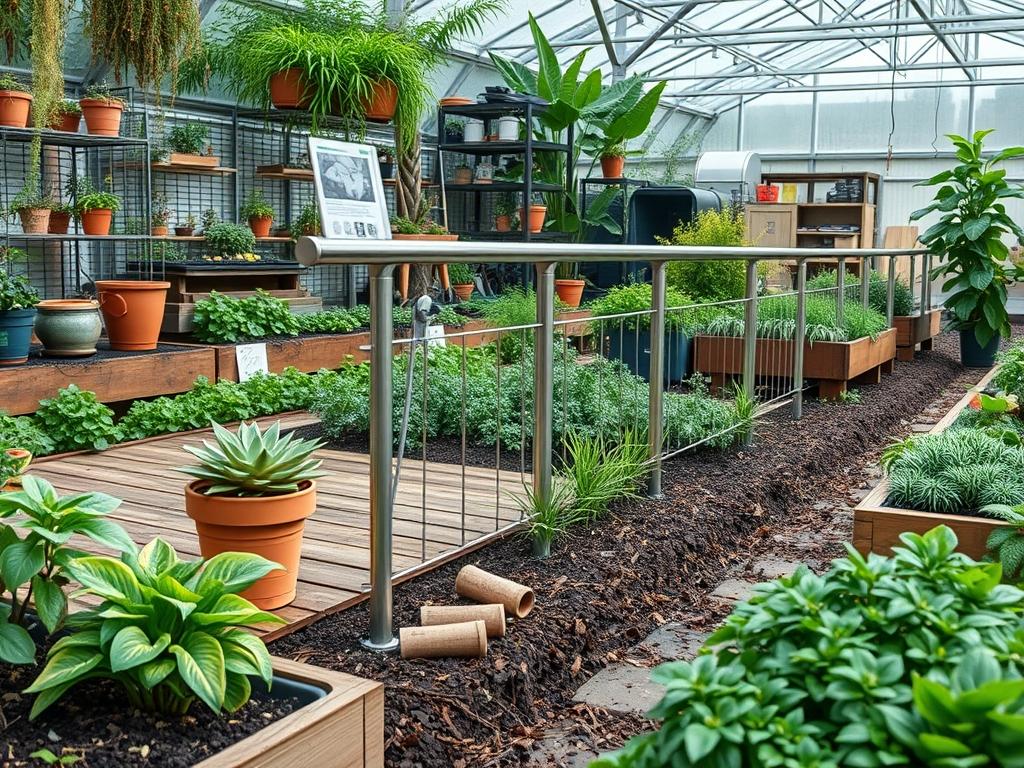
The integration of a functional outdoor living space starts at the transition point where the interior architecture meets the natural environment. Choosing a Modern Deck Railing represents one of the most significant decisions in this process, as it serves as both a safety barrier and a visual frame for the curated landscape beyond. From a landscape architect’s perspective, the deck is not an isolated platform; it is a viewing station that dictates how a viewer perceives the depth, color, and texture of the garden. Climate considerations play a vital role here. In coastal regions, salt spray can corrode inferior metals, making 316-grade stainless steel or powder-coated aluminum essential. In wind-prone areas, a tempered glass railing might provide a necessary windbreak while preserving an unobstructed view of the horizon. The goal is to maximize curb appeal through a cohesive design language that joins the hardscape of the deck with the softscape of the plantings, ensuring the outdoor environment is both functional and aesthetically balanced.
Landscape Design Principles
At the heart of any professional landscape plan is the principle of visual balance. When installing a Modern Deck Railing, the lines of the railing must harmonize with the geometry of the garden. If you choose a horizontal cable rail system, the landscape design should incorporate plants with similar linear qualities, such as Ornamental Grasses or Horsetail Reed, to echo those clean, modern lines. Symmetry is often used to create a sense of order, particularly at the primary exit points of the deck. For example, placing identical terracotta planters or concrete pedestals on either side of the deck stairs can anchor the structure to the ground.
Focal points are equally critical. A minimalist railing provides a transparent window into the yard, meaning the area directly in the line of sight must be meticulously planned. This is where elevation layers come into play. By using retaining walls made of natural stone or poured concrete, a designer can create tiered garden beds that rise to meet the eye level of those seated on the deck. This technique eliminates the flat, one-dimensional look common in amateur designs. To ensure precision during construction, use a transit level or laser level to establish consistent elevations across the site. This prevents sloping issues that can make even the most expensive Modern Deck Railing look slanted or poorly installed.
Furthermore, irrigation planning must be integrated into the initial layout. Nothing ruins a modern aesthetic faster than a visible, tangled garden hose. Subsurface drip irrigation systems should be installed before any mulch or hardscaping is placed. These systems deliver water directly to the root zones of the plants, reducing evaporation and preventing water spots on glass railing panels or metal balusters. By hiding the utility of the garden, the focus remains entirely on the beauty of the design.
Plant and Material Selection
The selection of plants should complement the sleek, industrial nature of modern railing materials like steel, glass, and composite wood. In a modern setting, the “less is more” philosophy usually yields the best results, focusing on architectural plants with strong shapes.
| Plant Type | Sun Exposure | Soil Needs | Water Demand | Growth Speed | Maintenance Level |
| :— | :— | :— | :— | :— | :— |
| Boxwood (Buxus) | Full to Part Sun | Well-drained | Moderate | Slow | High (Pruning) |
| Blue Oat Grass | Full Sun | Sandy/Loam | Low | Moderate | Low |
| Japanese Maple | Filtered Sun | Acidic/Moist | Moderate | Slow | Medium |
| Agave | Full Sun | Gritty/Dry | Very Low | Slow | Low |
| Lavender | Full Sun | Alkaline | Low | Fast | Medium |
| Pachysandra | Full Shade | Organic Rich | Moderate | Fast | Low |
When selecting materials for the deck itself, consider the tactile experience. Ipe wood or high-performance composites offer durability that matches the longevity of a Modern Deck Railing. For the ground cover surrounding the deck, mexican beach pebbles or crushed slate provide a clean, contemporary texture that contrasts beautifully with the organic forms of the plants.
Implementation Strategy
The successful execution of a backyard layout requires a chronological approach to site preparation. First, address the grading of the land. The ground must slope away from the deck footings at a minimum rate of 2 percent to prevent water from pooling near the structural posts. If the site has significant elevation changes, the installation of retaining walls becomes necessary. Use 6-inch by 6-inch pressure-treated timber or modular concrete blocks to create stable terraces.
Once the skeleton of the landscape is formed, focus on drainage. A French drain system, consisting of perforated pipe surrounded by 3/4-inch gravel, should be buried along the perimeter of the deck to intercept runoff. After the drainage is secure, define the garden beds with a permanent steel edging or aluminum edging. This creates a crisp line between the lawn and the planting areas, which is a hallmark of modern design.
Before planting, amend the soil with organic compost to a depth of 12 inches. When placing plants, ensure they are spaced according to their mature width, not their size at the nursery. After the plants are in the ground, apply a 3-inch layer of shredded bark mulch or wood chips. This layer retains moisture, suppresses weeds, and provides a dark, uniform backdrop that makes the green foliage and the Modern Deck Railing stand out.
Common Landscaping Failures
One of the most frequent mistakes is improper drainage near the deck foundation. When water is allowed to collect around the concrete footings, it can cause the soil to heave or subside, leading to a de-stabilized deck and a misaligned railing. Another common issue is root overcrowding. Planting a large species like a River Birch too close to the deck can lead to root systems lifting pavers or damaging the deck’s substructure within a decade. Always research the mature root spread of any tree before installation.
Soil compaction is a hidden killer in new landscapes. During the installation of a Modern Deck Railing, heavy foot traffic and equipment often compress the earth, stripping it of the oxygen that roots need to breathe. Use a core aerator to loosen the soil before planting. Additionally, many homeowners fail to account for irrigation inefficiencies. Over-watering can lead to root rot, particularly in modern gardens that use non-porous landscape fabric under stones. Ensure your system is calibrated with a rain sensor to avoid unnecessary water application.
Seasonal Maintenance
A great landscape requires a commitment to a four-season management plan. In the spring, focus on the structural integrity of your Modern Deck Railing. Check the tension on cable rails and tighten any hardware that may have loosened during winter freeze-thaw cycles. This is also the time to apply a fresh layer of mulch and a balanced slow-release fertilizer to your garden beds.
Summer maintenance is primarily about water management. Monitor the drip irrigation emitters to ensure they are not clogged by mineral deposits. As autumn approaches, begin the process of “putting the garden to bed.” Cut back perennials and raking leaves away from the deck to prevent moisture trap against the wood or metal. In the winter, avoid using harsh de-icing salts on the deck or near the plants, as the runoff can alter soil pH and damage sensitive root systems. Instead, use sand or calcined clay for traction.
Professional Landscaping FAQ
How do I choose the best railing for a small deck?
Opt for a Modern Deck Railing with thin profiles, such as stainless steel cables or glass slats. These materials minimize visual bulk, making a small footprint feel significantly larger by extending the eye into the surrounding garden.
What is the best way to prevent weeds under a deck?
Install a heavy-duty geotextile fabric over the soil, then cover it with 3 to 4 inches of washed river rock. This creates a sterile environment that prevents weed growth while allowing for necessary water drainage.
How far should plants be from my deck railing?
Maintain a minimum clearance of 24 inches between the railing and any mature foliage. This prevents moisture retention against the railing material and allows for easy access during routine cleaning and maintenance of the Modern Deck Railing.
Can I install a railing system myself?
While many Modern Deck Railing kits are designed for DIY enthusiasts, professional installation is recommended for tempered glass or high-tension cable systems. Accurate measurements and specialized swaging tools are required to ensure safety and structural code compliance.
What are the best low-maintenance plants for a modern look?
Focus on Evergreens, Ornamental Grasses, and Succulents. Species like Blue Star Juniper and Feather Reed Grass provide year-round structure with minimal pruning, perfectly complementing the clean, industrial aesthetic of modern architectural elements.