
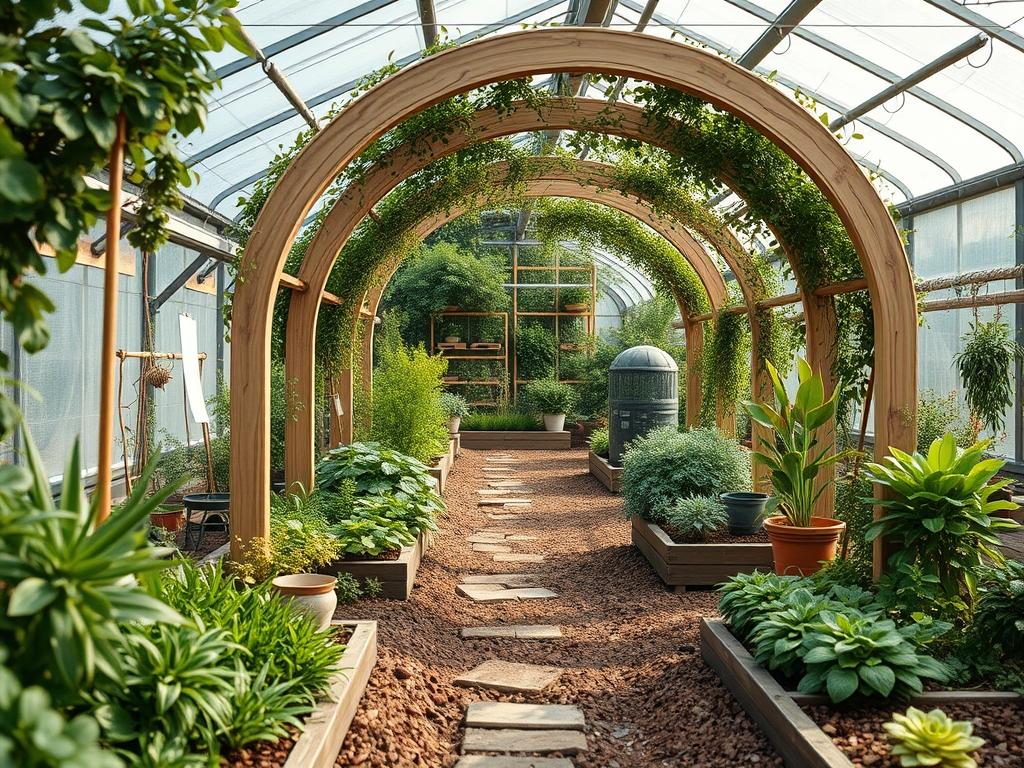
Modern landscape architecture often struggles with the concept of fluid movement between outdoor zones. Homeowners frequently find themselves with disjointed spaces that fail to communicate a cohesive aesthetic story. This is where modern garden archways emerge as essential transitional pieces. Unlike their ornate Victorian predecessors, modern arches prioritize clean lines, sustainable materials, and structural integrity. They serve as the functional gateway between the high-traffic patio and the secluded woodland retreat. When integrated correctly, these structures elevate curb appeal by providing immediate vertical interest and a sense of deliberate curation. A well-placed archway acts as a visual prompt; it tells the observer that they are leaving one environment and entering another. This psychological transition is vital for making a standard backyard feel like a multi-dimensional estate. We must consider the local climate and prevailing winds when selecting these structures, as a narrow arch in a high-wind corridor can become a liability without proper anchoring.
Landscape Design Principles
Successful integration of modern garden archways requires a deep understanding of site analysis and visual balance. Symmetry is often the first principle applied; an archway centered on a doorway or a main window creates a powerful sightline that draws the eye upward and outward. However, asymmetrical placement can also be effective in more naturalistic, contemporary designs. When we use an archway to bridge a gap between two different elevations, we create a tiered experience that masks topographic shifts. This is particularly useful in properties with significant grading issues. By placing an arch at the top of a set of stone steps, the archway frame serves to emphasize the change in height, making the transition feel intentional rather than accidental.
Focal points are the lifeblood of any professional landscape plan. An archway should not just lead to “more grass.” It should frame a specific destination, such as a custom water feature, a specimen tree, or a designer bench. This framing technique creates a “borrowed view,” a classic design strategy that makes smaller gardens appear much larger. We also must consider the placement of walkways. An archway should never feel like an obstacle. The interior width of the arch must accommodate the walkway below, typically requiring a minimum of 4 feet for single-passage comfort or 6 feet for a more grand, communal feel. Integration with irrigation is another critical factor. If the archway is to support heavy climbing foliage, the subsurface drip irrigation lines must be planned to reach the base of the structure without interfering with the structural footings. Visual balance is achieved by matching the weight of the archway to the surrounding foliage. A thin powder-coated steel frame might disappear against a dense hedge, whereas a heavy Corten steel or timber beam arch provides the necessary mass to stand out.
Plant and Material Selection
The longevity of a transitional archway depends heavily on the materials used and the plants selected to adorn it. Modern designs frequently utilize weathering steel, anodized aluminum, or recycled composite wood to ensure low maintenance and high durability. Below is a professional guide for selecting plants that thrive on these structures.
| Plant Type | Sun Exposure | Soil Needs | Water Demand | Growth Speed | Maintenance Level |
| :— | :— | :— | :— | :— | :— |
| Star Jasmine | Full Sun to Part Shade | Well-drained loam | Moderate | Medium | Low |
| Climbing Cecile Brunner Rose | Full Sun | Rich, organic matter | High | Fast | High |
| Clematis Armandii | Full Sun (Roots in Shade) | Neutral pH | Moderate | Fast | Medium |
| American Wisteria | Full Sun | Moist, fertile soil | High | Very Fast | High |
| Trumpet Vine | Full Sun | Average, any soil | Low | Aggressive | Medium |
| Climbing Hydrangea | Part Shade to Full Shade | Consistently moist | High | Slow | Low |
When selecting materials for the arch itself, consider the tactile experience. Redwood or Cedar offers a warmth that complements traditional-modern hybrids, while galvanized steel provides an industrial edge that suits urban rooftop gardens. The thickness of the material is not just an aesthetic choice; it is a structural one. For arches exceeding 8 feet in height, we recommend a minimum post thickness of 4 inches by 4 inches for wood or 2-inch square tubing for metal to prevent bowing under the weight of a mature Wisteria or Grapevine.
Implementation Strategy
The installation of a modern garden archway begins long before the first hole is dug. Proper site preparation involves checking for underground utility lines and assessing the grade. If the ground is not level, the archway will appear skewed, ruining the clean lines essential to modern design. Start by marking the site with landscape marking paint. Once the position is verified, excavate holes for the footings. In most climates, footings should reach below the frost line, typically 24 to 36 inches deep, to prevent heaving during winter months. Fill these holes with high-strength concrete and use a post level to ensure the vertical supports are perfectly plumb.
Once the structure is anchored, address the surrounding hardscape. If the archway spans a path, ensure the edge restraints for your pavers or gravel are secure. For the ground cover at the base of the arch, apply a 3-inch layer of organic cedar mulch or decorative river rock to retain moisture and suppress weeds. Proper drainage is paramount. If the archway sits in a low spot, install a French drain or a catch basin nearby to prevent water from pooling around the footings, which can lead to wood rot or metal oxidation over time. Finally, coordinate your irrigation timers to provide deep watering cycles for the new climbing plants, ensuring they establish strong root systems within the first two growing seasons.
Common Landscaping Failures
One of the most frequent mistakes in archway planning is ignoring the eventual weight of the foliage. A young climbing rose may seem light, but a decade of growth adds hundreds of pounds of woody biomass. Using flimsy, store-bought trellises instead of structural archways often leads to collapse. Another common failure is improper spacing. If an archway is placed too close to a building or an existing tree, air circulation is restricted. This lack of airflow creates a breeding ground for powdery mildew and spider mites, particularly for species like Lonicera.
Soil compaction is another silent killer of garden transitions. During the construction of the archway, heavy foot traffic can compress the soil, making it nearly impossible for the roots of your climbing plants to penetrate the earth. We recommend using soil aerators and incorporating expanded shale or compost into the planting holes to combat this. Furthermore, many DIY installers neglect the transition between the arch and the ground. Without proper edging, grass and weeds will migrate into the archway path, creating a high-maintenance eyesore that detracts from the modern aesthetic. Lastly, failing to account for the “reach” of the plants can result in blocked paths. Plants should be trained early to grow up and over, rather than outward into the walkway.
Seasonal Maintenance
Maintaining a modern garden archway requires a proactive approach that changes with the seasons. In the Spring, inspect the structural integrity of the frame. Check for loose bolts or signs of rust on metal components. This is also the time for hard pruning. Remove any dead or diseased wood from your climbers before the new growth starts. Apply a slow-release granular fertilizer to the base to support the upcoming bloom cycle.
During the Summer, focus on hydration and training. As new shoots appear, tie them loosely to the arch using soft garden twine or velcro ties. Avoid using wire, which can cut into the plant as it thickens. Monitor for pests during the hottest months, as stressed plants are more susceptible to infestation. In Autumn, clean up fallen debris around the base to prevent fungal spores from overwintering in the mulch. This is also a good time to apply a fresh layer of bark mulch to insulate the roots. During the Winter, especially in colder regions, clear heavy snow loads from the top of the archway. The weight of wet snow combined with mature vines can reach a breaking point, causing even robust structures to buckle.
Professional Landscaping FAQ
How do I choose the right height for a modern garden archway?
A standard archway should be at least 7.5 feet tall. This ensures that even after plants begin to hang down from the top, there is ample clearance for taller individuals to pass through without ducking.
Can I install an archway on an existing concrete patio?
Yes, use galvanized steel post bases anchored into the concrete with wedge anchors. This provides a secure foundation without the need for deep excavation, though it requires precision drilling to ensure the posts remain vertical.
What is the best material for a low-maintenance archway?
Powder-coated aluminum is the gold standard for low maintenance. It does not rust, requires no painting, and is light enough for easy installation while remaining strong enough to support significant plant weight.
How do I prevent my climbing plants from damaging the metal?
Use stainless steel cable trellises offset from the main structure. This allows the plants to grip the cables rather than the arch itself, providing better airflow and preventing moisture from being trapped against the metal surface.
Are modern archways suitable for windy coastal environments?
In coastal areas, choose 316-grade stainless steel to resist salt corrosion. Ensure the footings are extra deep and consider a minimalist design with less surface area to reduce the wind sail effect during storms.