
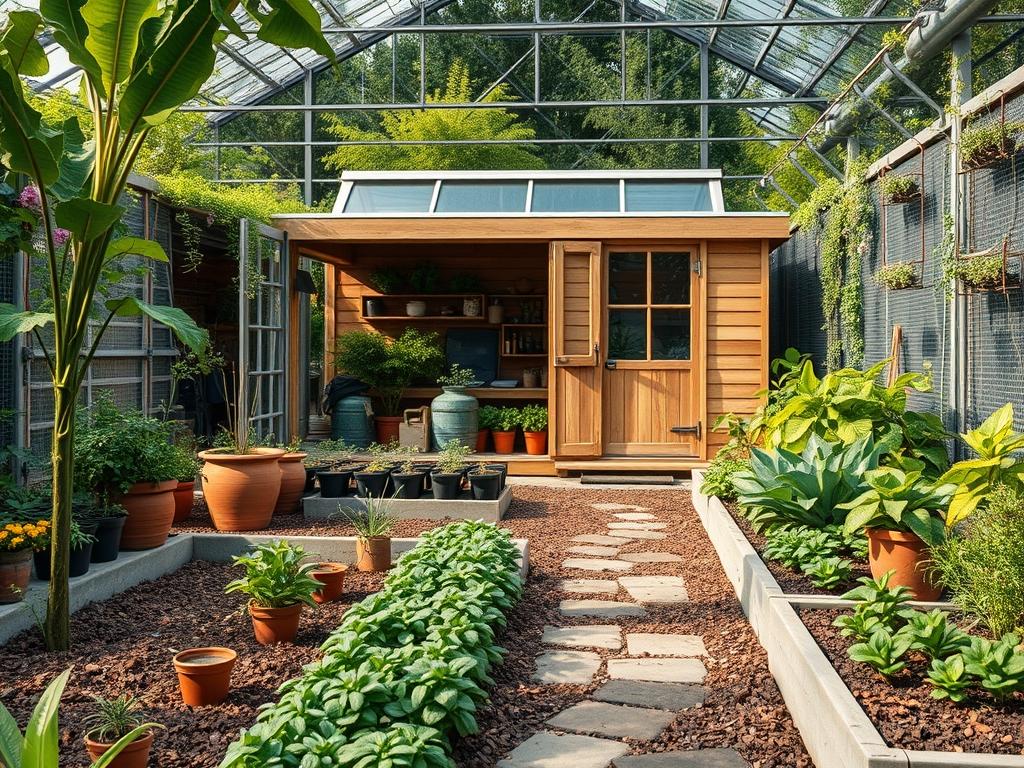
Modern landscape architecture has undergone a significant transformation, moving away from viewing outbuildings as mere utilitarian afterthoughts. Today, the integration of modern garden sheds into a cohesive outdoor environment requires a balance between architectural intent and ecological responsibility. As consultants, we often see homeowners struggle to reconcile the need for high volume storage with the desire for a sophisticated, minimalist aesthetic. A poorly placed structure can disrupt the visual flow of a property, creating “dead zones” where air circulation stagnates and shadows stunt plant growth. Conversely, a well executed modern shed acts as a secondary architectural anchor, providing a focal point that defines the transition between manicured lawns and wilder garden perimeters. The challenge lies in selecting materials and locations that withstand regional climate fluctuations while enhancing the overall curb appeal of the estate. Professional planning ensures that these structures do not merely sit on the land, but rather emerge from it as a functional extension of the home itself.
Landscape Design Principles
Achieving a harmonious balance between a structure and its surroundings begins with the principle of axial alignment. When positioning modern garden sheds, we evaluate the primary sightlines from the main residence. The shed should ideally sit at the terminus of a visual axis, perhaps framed by a series of upright hornbeams or a structured boxwood hedge. This creates a sense of intentionality, turning a storage unit into a destination. Symmetry plays a vital role in formal designs, but for modern, contemporary spaces, we often prefer asymmetrical balance. This involves counterweighing the mass of the shed with high density plantings or large scale hardscaping elements like monolithic stone benches or oversized planters.
Elevation layers are equally critical for integrating the structure into the terrain. A shed placed directly on a flat lawn often looks detached. By utilizing retaining walls or raised tiered planters, we can nestle the building into the slope of the land. This suppresses the vertical profile and allows for a “layered” planting scheme where low-lying groundcovers transition into mid-sized shrubs. Furthermore, irrigation planning must be addressed during the initial design phase. Modern sheds with flat or pent roofs create significant water runoff; therefore, we must design the surrounding landscape to manage this influx. Incorporating French drains or permeable gravel paths around the perimeter prevents soil erosion and protects the structural integrity of the foundation. Walkways should be wide enough, typically 48 inches to 60 inches, to allow for the easy movement of lawn mowers, wheelbarrows, and other large equipment without damaging the bordering flora.
Plant and Material Selection
The success of a modern garden design depends heavily on selecting species that complement the clean lines of the architecture. We prioritize plants that offer year-round structure and require minimal intervention.
| Plant Type | Sun Exposure | Soil Needs | Water Demand | Growth Speed | Maintenance Level |
| :— | :— | :— | :— | :— | :— |
| Buxus Sempervirens | Full Sun/Part Shade | Well-drained, Loamy | Moderate | Slow | Medium |
| Miscanthus Sinensis | Full Sun | Adaptable/Moist | Low to Moderate | Fast | Low |
| Lavender Hidcote | Full Sun | Gritty, Alkaline | Low | Medium | Low |
| Pachysandra Terminalis | Full Shade | Acidic, Rich | Moderate | Medium | Low |
| Hydrangea Paniculata | Full Sun/Part Shade | Moist, Well-drained | High | Fast | Medium |
| Taxus Baccata | Part Shade/Full Shade | Any Well-drained | Moderate | Slow | Low |
Implementation Strategy
Strategic implementation begins with rigorous site preparation. The first step involves grading the area to ensure a slope of at least 2 percent away from the shed foundation. This prevents water from pooling against the sill plates, which could lead to rot or fungal growth. For the foundation itself, we recommend a compacted gravel sub-base roughly 6 inches deep, topped with natural stone pavers or a poured concrete slab. This provides a stable, level surface that resists shifting during seasonal freeze-thaw cycles.
Once the structure is in place, we focus on the transition zones. Steel landscape edging is a preferred tool for creating crisp, permanent boundaries between lawn areas and garden beds. Within these beds, applying a layer of organic mulch to a depth of 3 inches is essential. This mulch regulates soil temperature, retains moisture, and suppresses weed growth, which is particularly important around the base of a shed where access might be tight. For drainage management, we often install a catch basin at the low point of the site, connected to a perforated PVC pipe that directs excess rainwater toward a designated rain garden or municipal storm system. This hardscaping foundation serves as the “skeleton” of the garden, allowing the “skin” of the plants to thrive without the risk of waterlogging or structural instability.
Common Landscaping Failures
The most frequent mistake in garden planning is the failure to account for subterranean dynamics. Root overcrowding occurs when fast-growing trees, such as willows or poplars, are planted too close to the shed foundation; their aggressive root systems can heave concrete slabs or penetrate drainage pipes. Improper spacing is another common pitfall. Designers often plant for the current size of the nursery stock rather than the mature spread of the species, leading to a cluttered, overgrown look that obscures the modern lines of the building within three to five years.
Soil compaction is a silent killer of landscape vitality. During the construction of a modern garden shed, heavy machinery frequently traverses the site, crushing the air pockets in the soil necessary for root respiration. Without remediation using a core aerator or the addition of organic compost, the surrounding plants will struggle to establish themselves. Finally, irrigation inefficiencies often plague these projects. Many homeowners rely on overhead sprinklers that spray the wooden or metal siding of the shed, leading to premature weathering, rust, or mold. Transitioning to a drip irrigation system ensures that water is delivered directly to the root zones of the plants, keeping the structure dry and the foliage hydrated.
Seasonal Maintenance
Maintaining a professional landscape requires a rhythmic approach to the seasons. In the spring, the primary focus is on revitalization. This involves clearing dead foliage from ornamental grasses using bypass pruners and applying a slow-release fertilizer to all garden beds. It is also the ideal time to inspect the shed for any winter damage, such as loose shingles or warped trim.
Summer maintenance centeres on moisture management and pest control. During heatwaves, deep watering early in the morning reduces evaporation. We recommend checking the integrity of mulch layers to ensure they have not washed away or decomposed too quickly. As autumn approaches, the focus shifts to preparation. Clearing gutters and downspouts on the shed is crucial to prevent ice damming. We also suggest planting spring-flowering bulbs around the perimeter of the structure during this time to provide early color in the following year. Winter is a period of dormancy but involves monitoring for heavy snow loads on the roof. Using a soft-bristled roof rake to remove excess snow can prevent structural stress. This is also the best time for “structural pruning” of deciduous trees while their branching architecture is visible.
Professional Landscaping FAQ
What is the best foundation for a modern garden shed?
A compacted gravel base or a poured concrete slab provides the best stability. These materials ensure proper drainage and prevent the structure from sinking into the soil over time, especially in areas with high clay content.
How can I hide a shed without blocking access?
Use slatted wooden screens or tall ornamental grasses like Karl Foerster. These provide a visual soft focus while allowing for clear pathways. Positioning the shed at a 45-degree angle can also minimize its profile.
Which plants are best for low-light areas behind a shed?
Hostas, ferns, and Pachysandra thrive in the permanent shadows cast by outbuildings. These species provide a lush, green carpet that prevents the area behind the shed from becoming a muddy or neglected space.
Is it necessary to install gutters on a garden shed?
Yes, gutters are essential for protecting the foundation. They direct concentrated roof runoff away from the base, preventing soil erosion and protecting the surrounding landscaping beds from being washed out during heavy tropical storms or rain.
What is the ideal distance between a shed and a fence?
Maintain a gap of at least 24 inches to 36 inches. This space allows for sufficient air circulation to prevent mold and provides enough room for a person to perform routine maintenance or painting on the exterior walls.