
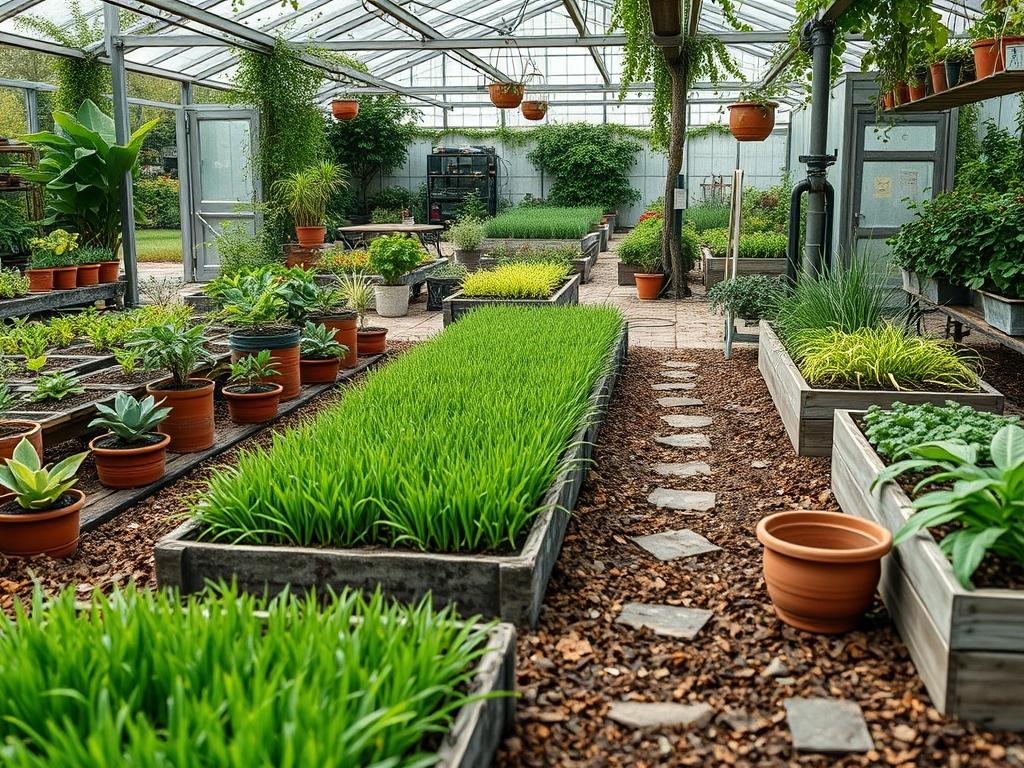
Modern landscaping requires a careful balance between biological vitality and structural durability. Homeowners today face increasing pressures from fluctuating water availability, rising maintenance costs, and the desire for year-round aesthetic consistency. The traditional monoculture of high-maintenance grass often fails to meet these demands, particularly in arid climates or high-traffic environments where natural sod quickly deteriorates into mud or dust. This shift has led to the rise of Artificial Turf Installation as a core component of sustainable, functional outdoor design. By integrating synthetic surfaces with thoughtful softscaping and hardscaping, property owners can achieve a premium look that enhances curb appeal while serving as a resilient foundation for outdoor living. Beyond the visual benefits, a professionally planned layout addresses critical issues such as stormwater runoff, soil erosion, and thermal regulation. Successful projects move beyond simply laying down a green carpet; they utilize principles of environmental psychology and engineering to create spaces that feel natural, cohesive, and intentional.
Landscape Design Principles
A successful landscape relies on the foundational principles of symmetry, balance, and focalization. When planning a space that includes Artificial Turf Installation, the transition between the synthetic lawn and living planting beds must be seamless. Symmetry provides a sense of order and formality; it can be achieved by flanking a central turf area with identical rows of Boxwood shrubs or tiered planters. However, asymmetrical balance is often more appropriate for residential gardens to create a relaxed, organic feel. This involves balancing a large mass, such as a substantial Boulder or a Japanese Maple, with several smaller elements on the opposite side to maintain visual equilibrium.
Elevation layers are equally vital for preventing a flat, artificial look. By using Retaining Walls made of Natural Stone or Timber, designers can create vertical interest that draws the eye upward. These layers allow for the inclusion of various heights, from low-growing groundcovers to mid-sized perennials and towering canopy trees. Irrigation planning must also be considered early in the design phase. Even if the primary lawn area is synthetic, the surrounding flora will require a dedicated Drip Irrigation System to ensure health without wasting water. Furthermore, walkways constructed from Flagstone or Pavers should be used to direct foot traffic, protecting the edges of the turf and providing a clear path of travel throughout the garden. Designing with these walkways in mind creates a “room” effect, defining different zones for dining, lounging, or play.
Plant and Material Selection
| Plant Type | Sun Exposure | Soil Needs | Water Demand | Growth Speed | Maintenance Level |
| :— | :— | :— | :— | :— | :— |
| Lavender | Full Sun | Well-Drained | Low | Moderate | Low |
| Boxwood | Partial Shade | Loamy/Rich | Moderate | Slow | Medium |
| Ornamental Grass| Full Sun | Sandy/Poor | Very Low | Fast | Low |
| Creeping Thyme | Full Sun | Gritty | Low | Moderate | Low |
| Agave | Full Sun | Arid/Rocky | Very Low | Slow | Very Low |
| Hydrangea | Partial Sun | Moist/Clay | High | Fast | High |
Selecting the right materials extends to the hardscape as well. For a cohesive look, homeowners should choose Mulch or Decorative Rock that complements the color of the turf infill and the architectural style of the home. Dark Bark Mulch provides a striking contrast against vibrant green turf, while River Pebbles offer a more modern, desert-inspired aesthetic.
Implementation Strategy
The process begins with thorough site preparation. You must remove existing vegetation and a minimum of 3 Inches to 4 Inches of topsoil to make room for a stable base. Grading is the most critical step; the sub-base must be sloped at a 1% to 2% grade away from any permanent structures to prevent water pooling. Once the soil is excavated, a Geotextile Weed Barrier is laid down to prevent subterranean growth while allowing for vertical drainage.
Next, a base of Crushed Stone or Class 2 Road Base is spread and compacted using a Vibratory Plate Compactor. This creates a firm, porous foundation that will not shift over time. For the Artificial Turf Installation itself, the rolls are laid out and allowed to acclimate to the ambient temperature for several hours before being seamed together. Professional installers use U-pins or Galvanized Turf Nails, spaced every 6 Inches along the perimeter, to secure the material. Edging is then installed using Steel Edging or Concrete Curbing to create a clean break between the lawn and the planting beds. Finally, Infill such as Silica Sand or Zeolite is brushed into the fibers using a Power Broom to help the blades stand upright and provide ballast.
Common Landscaping Mistakes
One of the most frequent errors in garden planning is neglecting drainage. Without a proper sub-base of Open-Graded Aggregate, water can become trapped beneath the surface, leading to mold growth or localized flooding. Another common failure is root overcrowding. Homeowners often plant young trees too close to the synthetic turf edge without considering the eventual diameter of the root flare. Over time, these roots can lift the turf or the underlying base material, creating trip hazards and uneven surfaces.
Improper spacing of perennials also leads to a cluttered look that requires constant pruning. It is essential to research the “mature width” of every plant before digging. Furthermore, soil compaction in the planting beds can suffocate nearby flora; while the area under the turf must be compacted, the surrounding garden beds require aerated, nutrient-rich soil. Lastly, many forget to account for the reflective heat from Low-E Windows. This intense, concentrated sunlight can actually melt synthetic fibers. In such cases, planting Tall Shrubs or installing Awnings is necessary to shade the turf during peak afternoon hours.
Seasonal Maintenance
Landscape management changes with the calendar. In the spring, focus on cleaning. Use a Leaf Blower to remove organic debris that may have accumulated over the winter. This is also the time to inspect the edges of your Artificial Turf Installation for any lifting and to apply a pre-emergent herbicide to the surrounding planting beds to get ahead of weed growth.
During the summer, the primary concern is heat management. While synthetic turf is durable, it can become hot to the touch in direct sunlight. A quick rinse with a Garden Hose can lower the surface temperature significantly through evaporative cooling. Ensure that your Drip Irrigation for the living plants is functioning correctly during these high-heat months. In the autumn, leaf removal is paramount. If leaves are left to decompose on the turf, they can create a layer of organic matter that encourages weed growth in the backing. Use a Plastic Rake rather than metal to avoid damaging the synthetic fibers. In the winter, allow snow to melt naturally. If ice removal is necessary, avoid using harsh salt-based chemicals which can runoff and damage the pH balance of the neighboring soil in your flower beds.
Professional Landscaping FAQ
How does artificial turf affect backyard drainage?
When installed with a Perforated Backing and a Crushed Stone Base, synthetic turf allows water to permeate into the ground faster than compacted natural soil. This reduces surface runoff and prevents muddy patches after heavy rainfall.
Can I install synthetic turf around existing trees?
Yes, but you must leave a wide Tree Well around the trunk. This ensures the roots receive oxygen and moisture. Filling the area with Mulch or Gravel rather than turf protects the tree’s long-term health.
What is the best way to clean pet waste from the lawn?
Remove solid waste immediately. For liquid waste, rinse the area with a Vinegar-Water Solution or a specialized Enzymatic Cleaner. This neutralizes odors and flushes the waste through the permeable backing into the sub-base.
Do I still need to use a weed barrier?
A Geotextile Fabric is highly recommended. It prevents weeds from pushing through the turf’s drainage holes while maintaining the integrity of the base. It also keeps the soil from mixing with your clean Aggregate Base.
How long does a professional turf installation last?
High-quality synthetic grass typically lasts between 15 Years and 20 Years. Longevity depends on the volume of foot traffic, the quality of the Infill, and the consistency of grooming to prevent the fibers from matting down.