
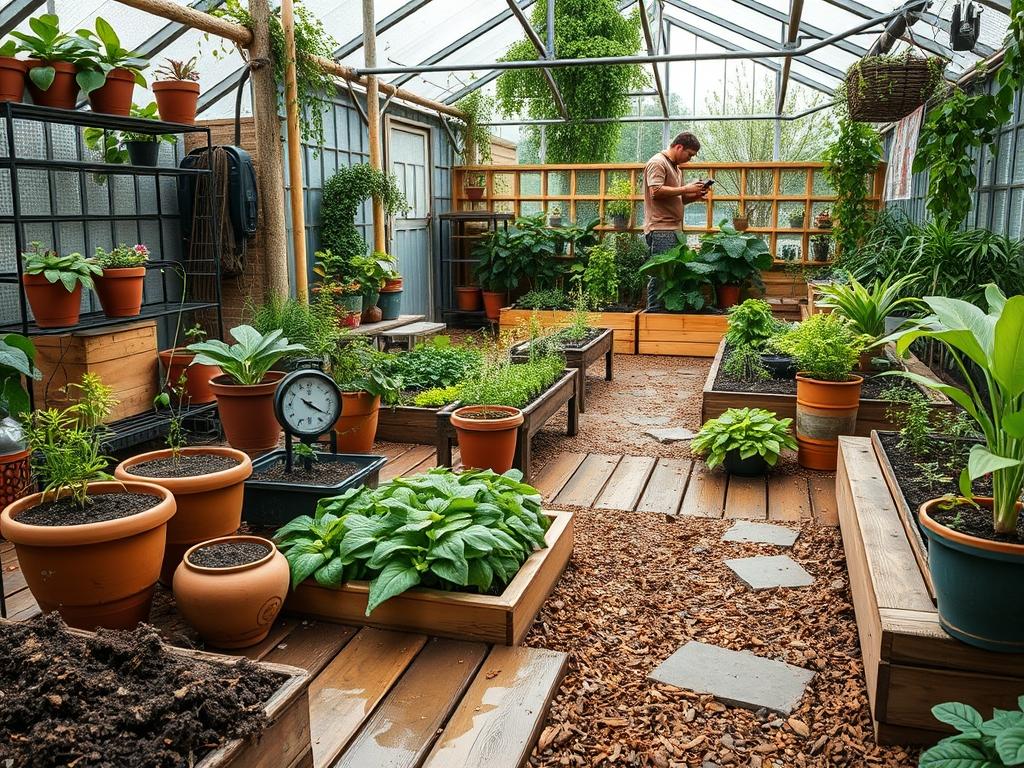
Designing for small space decking requires a fundamental shift in perspective, moving away from broad strokes and toward the surgical precision of micro-landscaping. In restricted urban patches or compact suburban lots, every square inch must justify its existence through either aesthetic contribution or functional utility. The primary challenge lies in the reconciliation of hardscaping needs with the biological requirements of a living garden. Climate considerations play a massive role here; a small, enclosed patio can easily become a heat trap in summer or a damp, shadowed alcove in winter. Effective site analysis identifies these microclimates before the first board is ever cut. Beyond mere utility, a well-executed deck significantly boosts curb appeal and property value by extending the perceived square footage of the home interior into the outdoors. The goal is to create a seamless transition where the threshold between the kitchen or living room and the outdoors disappears, fostering a sense of expansive living despite the physical limitations of the plot.
Landscape Design Principles
Achieving visual harmony in a small area necessitates a commitment to symmetry and balance. In a confined footprint, a haphazard arrangement of pots or mismatched furniture creates visual clutter, which actively shrinks the space in the eye of the beholder. Instead, senior architects often utilize a central axis to ground the design. This might be a perfectly centered 6-foot French door or a singular, high-impact focal point like a tiered basalt water feature or an architectural specimen tree. Using focal points allows the eye to rest, preventing the “busy” feeling common in amateur installations.
Elevation is another critical tool for the small space designer. By introducing subtle layers, even a height difference of only 6 to 12 inches, you create distinct zones without the need for vertical walls that block light and airflow. A raised platform for dining separated from a lower lounge area by a single step provides a clear organizational structure. This also allows for the integration of “invisible” storage or built-in benches, which maximize footprint efficiency.
Irrigation and drainage must be planned with extreme foresight. In small spaces, traditional overhead sprinklers are often impractical as they soak furniture and promote fungal growth in stagnant air. We recommend sub-surface LED-compatible drip irrigation lines tucked beneath 2-inch lava rock or decorative river stones. This ensures precise water delivery to the roots while keeping the deck surface dry and safe. Furthermore, walkways should maintain a minimum width of 36 inches to ensure comfortable circulation, using materials that complement the decking to maintain a unified color palette.
Plant and Material Selection
| Plant Type | Sun Exposure | Soil Needs | Water Demand | Growth Speed | Maintenance Level |
| :— | :— | :— | :— | :— | :— |
| Star Jasmine | Full Sun to Part Shade | Well-drained, Loamy | Moderate | Fast (Climbing) | Low (Requires Pruning) |
| Dwarf Boxwood | Full Sun to Part Shade | Sandy/Clay Mix | Low to Moderate | Slow | Moderate (Shearing) |
| Japanese Maple | Filtered Sunlight | Rich, Acidic | High | Slow | Moderate |
| Blue Star Creeper | Full Sun | Moist, Well-drained | Moderate | Medium | Low |
| Golden Sword Yucca| Full Sun | Dry, Sandy | Very Low | Slow | Low |
| Fatsia Japonica | Deep Shade | Humus Rich | Moderate | Medium | Low |
For the decking material itself, choice often dictates longevity. For high-moisture environments, capped composite timber or PVC decking is superior to traditional pressure-treated pine because it resists rot and requires no staining. If natural wood is preferred, Ipe or Cedar offers natural resistance to decay, though they require annual oiling to maintain their rich hues. For the surrounding garden, using non-woven geotextile fabric beneath a layer of 3-inch cedar mulch helps suppress weeds while maintaining soil moisture.
Implementation Strategy
The successful implementation of a small space deck begins with rigorous site preparation. Grading is the most overlooked step; the sub-grade must be sloped at a 2% grade away from the home foundation to prevent hydrostatic pressure and basement seepage. Once the grade is established, a sub-base of crushed 3/4-inch limestone should be compacted to provide a stable, well-draining foundation for the joists or pavers.
When laying out the garden sections, use heavy-duty aluminum edging to create crisp, clean lines between the mulch beds and the decking or walkways. This prevents the “bleeding” of materials and keeps the transition points sharp. For the decking installation, utilize hidden fastener systems rather than surface screws. In a small space, the visual “noise” of hundreds of screw heads can be distracting. Hidden clips create a clean, minimalist surface that mimics the look of high-end interior flooring.
Drainage must be integrated into the hardscape. For many patios, a linear trench drain installed at the low point of the grade ensures that heavy rainfall exits the area quickly. If you are using large containers or built-in planters, ensure they are elevated slightly on pot feet or hidden risers. This prevents the “bathtub effect” where water sits trapped between the bottom of the pot and the deck surface, which leads to permanent staining and wood rot.
Common Landscaping Failures
The most frequent error in small space design is the failure to account for the mature size of plant material. A Leyland Cypress may look charming in a 3-gallon nursery pot, but within five years, its root system can upheaval deck footers and its canopy will overwhelm the space. Always design for the “ten-year size” of the plant.
Soil compaction is another silent killer in small urban gardens. During construction, heavy foot traffic or the staging of materials like 80-pound concrete bags can crush the soil structure, removing the air pockets necessary for root respiration. To fix this, use expanded shale or vermiculite to amend the soil before planting.
Inadequate irrigation planning often leads to “orphaned” zones where plants in the corners of the deck receive no water while those near the hose bib are over-saturated. Small spaces require more frequent, shorter watering cycles because containers and narrow beds dry out faster than large open fields. Finally, ignore the urge to use cheap, thin plastic weed barriers. These eventually shred and rise to the surface, creating an unsightly mess that is difficult to remove without dismantling the entire garden bed.
Seasonal Maintenance
Spring is the season of inspection and revitalization. Begin by checking the structural integrity of the deck, specifically looking for loose joist hangers or rusted carriage bolts. Wash the surface with a pH-neutral deck cleaner to remove winter mold. Prune your Dwarf Boxwoods and apply a slow-release 10-10-10 fertilizer to all container plants to kickstart the growing season.
Summer focus shifts to hydration and heat management. Check your drip emitters weekly to ensure they aren’t clogged with mineral deposits. If your deck receives intense afternoon sun, consider installing a retractable sun shade or a cantilever umbrella to protect both the inhabitants and the more sensitive plants like the Japanese Maple.
Autumn requires thorough sanitation. Remove fallen leaves promptly; if left on the deck, the tannins can cause deep staining on both wood and composite materials. This is also the time to apply a pre-emergent herbicide to the mulch beds to prevent winter weeds. For woody perennials, a layer of 4-inch fresh mulch provides the insulation necessary to protect root balls from the coming “freeze-thaw” cycles.
Winter is about protection and planning. In colder climates, shut down the exterior water supply and drain the irrigation lines using a small air compressor to prevent burst pipes. If you have delicate terracotta pots, move them into a garage or wrap them in burlap to prevent cracking. Use the quiet months to sharpen your bypass pruners and spatial shovels, ensuring you are ready for the spring rush.
Professional Landscaping FAQ
How do I make a tiny deck feel larger?
Use wide deck boards laid diagonally to draw the eye outward. Maintain a monochromatic color scheme between the decking and the house siding to reduce visual boundaries. Minimize furniture profiles and use vertical trellises with Star Jasmine to pull the gaze upward.
What is the best lighting for small patios?
Focus on layered, low-voltage LED systems. Use underside rail lighting to illuminate the deck surface without glare. Path lights should be tucked into the foliage, and small uplights at the base of trees create depth and drama after sunset.
Can I install a deck directly over soil?
No, this leads to rapid rot and structural failure. You must excavate at least 4 to 6 inches, lay down a weed barrier, and fill the area with compacted gravel. Use concrete deck blocks or posts to keep timber away from direct earth contact.
How do I choose the right mulch?
For small decks, double-shredded hardwood mulch is ideal because it stays in place and decomposes into rich soil. Avoid lightweight pine nuggets, which float away during heavy rain and can clog your linear trench drains or patio grates.
What is the minimum depth for a functional patio?
To accommodate a standard cafe table and two chairs, you need a minimum of 6 to 8 feet of depth. For a full dining set, plan for at least 10 to 12 feet to allow for chair pull-out and safe walking clearance.