
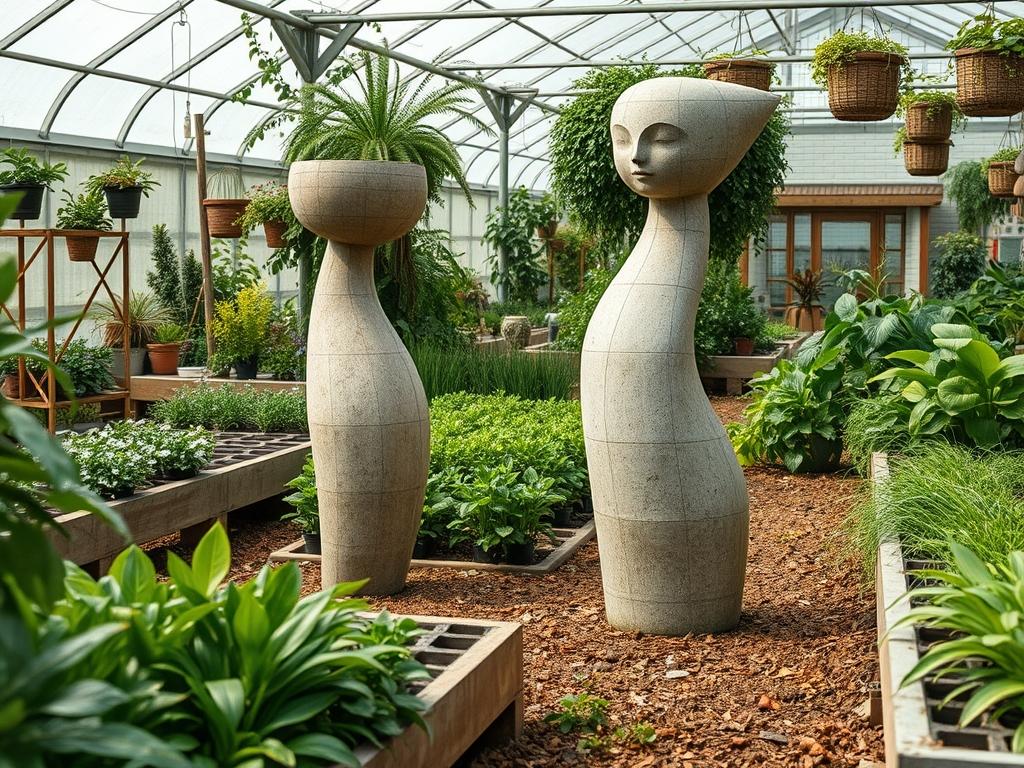
Integrating modern garden sculptures into a residential or commercial landscape requires more than a keen eye for aesthetics; it demands a deep understanding of site topography, light behavior, and architectural harmony. When a sculpture is placed correctly, it acts as a silent anchor for the entire outdoor environment, providing a sense of permanence and intentionality. The challenge for many property owners lies in bridging the gap between a standalone piece of art and a living, breathing ecosystem. Climate considerations are paramount; a piece of powder-coated aluminum will react differently to coastal salt spray than it will to the dry heat of an arid climate. Beyond the material durabilty, the placement of modern garden sculptures significantly influences curb appeal and outdoor functionality. A well positioned piece can draw the eye away from utility boxes or neighborly disruptions, while simultaneously defining the boundaries of an outdoor living room. Effective garden planning treats the sculpture as a primary structural element, much like a mature tree or a retaining wall, ensuring that the surrounding flora complements rather than competes with the artistic statement.
Landscape Design Principles for Sculptural Integration
Successful sculpture placement relies on the fundamental principles of symmetry and visual balance. In a formal garden, a central focal point is often achieved by placing a large-scale piece at the terminus of a long walkway, creating a sense of arrival. However, in modern, asymmetrical designs, the sculpture should act as a counterweight to other heavy landscape features like a stone hearth or a dense cluster of evergreen shrubs. Elevation layers are equally critical. A sculpture that sits directly on the grass can sometimes feel sunken or forgotten. Elevating the piece on a pedestal or a raised hardscape plinth provides the necessary visual lift to separate it from the ground plane.
Sightlines must be considered from multiple vantage points, including the interior of the home. A sculpture should be framed by windows or glass doors, effectively turning the garden into a living gallery during the winter months. Lighting plays a dual role in this design phase. Directional LED uplighting allows the piece to maintain its impact after sunset, while the movement of the sun throughout the day creates shifting shadows that add a temporal dimension to the work. When planning the layout, ensure that the irrigation system is diverted away from the base of the sculpture. Constant moisture can lead to mineral staining on bronze or cause structural instability in the soil surrounding the foundation.
Plant and Material Selection
The vegetation surrounding a sculpture should serve as a living frame. For minimalist, geometric pieces, soft and airy plants like ornamental grasses provide a beautiful textural contrast. For more organic, flowing sculptures, structured plants like clipped boxwoods or yew hedges offer a solid green backdrop that makes the material of the art pop.
| Plant Type | Sun Exposure | Soil Needs | Water Demand | Growth Speed | Maintenance Level |
| :— | :— | :— | :— | :— | :— |
| Calamagrostis ‘Karl Foerster’ | Full Sun | Well-drained | Moderate | Fast | Low |
| Buxus sempervirens | Full to Part Sun | Loamy/Neutral | Low | Slow | Moderate (Pruning) |
| Ophiopogon ‘Nigrescens’ | Part Shade | Rich/Moist | Moderate | Slow | Low |
| Festuca glauca | Full Sun | Sandy/Poor | Low | Moderate | Low |
| Hydrangea paniculata | Part Sun | Rich/Well-drained | High | Fast | Moderate |
| Taxus baccata | Sun to Shade | Versatile/Drained | Moderate | Slow | Moderate |
Implementation Strategy
The process of installing modern garden sculptures begins with rigorous site preparation. First, conduct a thorough analysis of the grading to ensure that water flows away from the intended installation site. For large or heavy pieces, a compacted gravel base or a poured concrete footer is necessary to prevent settling. Deep excavation, typically reaching below the local frost line, ensures the sculpture remains level through seasonal freeze-thaw cycles.
Once the foundation is secure, the transition between the sculpture and the garden is managed through edging and mulch. A clean edge created with steel bender board or paver stones prevents turf grass from encroaching on the art. Applying a 3-inch layer of hardwood mulch or decorative river rock around the base suppresses weeds and retains soil moisture for nearby accent plants. If the sculpture is part of a larger backyard remodel, consider how the drainage system, such as French drains or surface swales, will interact with the installation to prevent pooling during heavy rain.
Common Landscaping Failures
One of the most frequent mistakes in sculpture placement is improper spacing and root overcrowding. Planting large, aggressive species too close to an art piece can eventually obscure the work or, worse, cause structural damage through root expansion. Soil compaction is another common issue; during the installation of heavy sculptures, the use of machinery can crush the soil structure, leading to poor plant health and drainage failures.
Another frequent oversight is the failure to account for material transitions. Placing a Corten steel sculpture directly on a light-colored travertine patio will almost certainly lead to rust staining as the metal patinas. Professionals avoid this by using a drainage gap or a catch basin hidden beneath a layer of dark basalt stones. Finally, many homeowners ignore the scale of the environment. A sculpture that is too small for a vast backyard will look like a discarded toy, while a massive piece in a tiny courtyard can feel claustrophobic and overwhelming.
Seasonal Maintenance for Sculptural Landscapes
Maintaining the integrity of both the art and the landscape requires a seasonal approach. In the spring, focus on the rejuvenation of the surrounding beds. This is the time to refresh the mulch, apply a slow-release fertilizer to the accent plants, and inspect the sculpture for any winter damage. Check the irrigation nozzles to ensure they are not spraying directly onto the art piece, which can cause calcium buildup or oxidation.
During the summer, the primary task is moisture management. High temperatures may require supplemental hand-watering for plants shielded by the sculpture’s wind shadow. In the autumn, leaf debris must be cleared away from the base of the sculpture to prevent rot and pest nesting. This is also the ideal time to apply protective coatings, such as sculpture wax or clear sealants, before the harsh weather arrives. In the winter, heavy snow should be brushed off delicate pieces to prevent structural fatigue. If the sculpture is located in a high-traffic area, ensure that de-icing salts are keep far away, as these chemicals are highly corrosive to most metal and stone finishes.
Professional Landscaping FAQ
What is the best material for a low maintenance outdoor sculpture?
Grade 316 stainless steel and weathering steel are excellent choices. These materials are designed to withstand atmospheric corrosion without requiring frequent painting or sealing, making them ideal for high-end, low-maintenance landscape designs.
How do I prevent my sculpture from sinking over time?
Install a foundation of compacted 3/4-inch minus gravel or a reinforced concrete pad. The depth of the foundation should be determined by the weight of the sculpture and the load-bearing capacity of your specific soil type.
Can I place a sculpture in a rain garden or bioswale?
Yes, but only if the material is non-reactive, such as natural stone or high-grade resin. Ensure the sculpture is anchored to a subsurface pier so that fluctuating water levels and soil saturation do not cause it to tilt.
How far should plants be spaced from the sculpture?
Calculate the mature width of your chosen plants and add at least 12 inches of clearance. This ensures the sculpture remains visible and allows enough room for maintenance access without damaging the surrounding foliage or the art.
Should I use solar or hardwired lighting for my sculpture?
Hardwired low-voltage LED lighting is superior for professional results. It provides consistent brightness and allows for precise beam control, ensuring the sculpture is properly highlighted without the flickering or dimming common with solar-powered alternatives.