
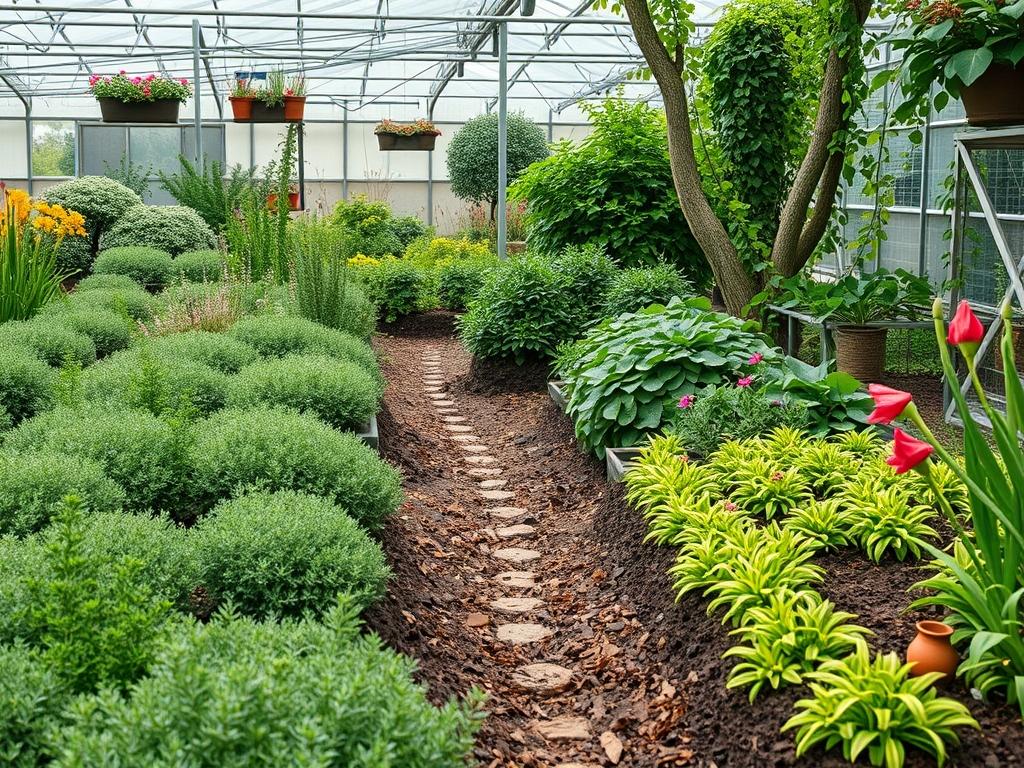
Designing a functional landscape requires a deep understanding of spatial transitions and biological resilience. Property owners often view shrub borders as mere boundary markers, yet these living walls serve as the architectural backbone of a sophisticated outdoor environment. A well executed native shrub border addresses several critical landscaping challenges simultaneously. It provides privacy without the sterile feel of a wooden fence, manages microclimates by buffering wind, and establishes a permanent structure that sustains visual interest through all four seasons. When selecting native species, we move beyond aesthetics and into the realm of ecological performance. Native plants are adapted to local soil chemistry and rainfall patterns, which significantly reduces the need for supplemental irrigation and chemical inputs after the initial establishment phase. This professional approach to “right plant, right place” ensures the longevity of the installation and enhances the overall curb appeal, ultimately increasing the property value through mature, sustainable growth.
Landscape Design Principles
Structural integrity in a garden starts with balance and proportion. When planning high performance borders, we utilize the principle of elevation layering. This involves placing taller specimens at the rear of the planting bed and stepping down in height toward the foreground. This technique ensures every plant receives adequate sunlight while creating a sense of depth that makes small yards appear more expansive. Focal points are another essential element. By placing a specimen shrub with unique architectural form or striking bark at a strategic intersection, you guide the eye through the landscape.
Symmetry can be employed for formal estates, but most contemporary residential projects benefit from asymmetrical balance. This involves balancing a heavy cluster of shrubs on one side with a substantial hardscape feature, such as a retaining wall or a large boulder, on the other. Movement through the space should be considered as well. Integrating walkways made of flagstone or crushed slate allows for maintenance access and tactile interaction with the foliage. Furthermore, a professional design always incorporates hydro-zoning. This is the practice of grouping plants with similar water requirements together to maximize the efficiency of your irrigation system. By aligning these principles, the landscape becomes a cohesive unit rather than a disorganized collection of plants.
Plant and Material Selection
The following table highlights ten peak performers for native shrub borders across a variety of North American climates. These species were chosen for their structural reliability and seasonal transitions.
| Plant Type | Sun Exposure | Soil Needs | Water Demand | Growth Speed | Maintenance |
| :— | :— | :— | :— | :— | :— |
| Winterberry (Ilex verticillata) | Full Sun to Part Shade | Moist, Acidic | High | Medium | Low |
| Oakleaf Hydrangea (H. quercifolia) | Part Shade to Shade | Well-Drained | Moderate | Medium | Medium |
| Red-twig Dogwood (Cornus sericea) | Full Sun to Part Shade | Adaptable | High | Fast | Medium |
| Inkberry Holly (Ilex glabra) | Full Sun to Part Shade | Sandy, Acidic | Moderate | Slow | Low |
| Fothergilla (Fothergilla gardenii) | Full Sun to Part Shade | Rich, Acidic | Moderate | Slow | Low |
| Arrowwood Viburnum (V. dentatum) | Full Sun to Part Shade | Adaptable | Moderate | Fast | Low |
| Ninebark (Physocarpus opulifolius) | Full Sun | Dry to Moist | Low | Fast | Medium |
| New Jersey Tea (C. americanus) | Full Sun to Part Shade | Rocky, Dry | Low | Slow | Low |
| Spicebush (Lindera benzoin) | Part Shade to Shade | Rich, Moist | Moderate | Medium | Low |
| Fragrant Sumac (Rhus aromatica) | Full Sun to Part Shade | Poor, Well-Drained | Low | Fast | Low |
For the structural components, we recommend steel edging for clean lines and hardwood mulch for moisture retention. If your site has a slope exceeding 15 degrees, consider incorporating retaining walls to create level planting pockets and prevent soil erosion.
Implementation Strategy
Successful installation begins with a comprehensive site analysis. Start by checking the grading of the area; the soil must slope away from any build structures at a rate of at least 2 percent to ensure proper drainage. Use a marking paint to outline the bed shapes, opting for large, sweeping curves rather than tight turns, which are difficult to mow around.
Once the layout is marked, remove all existing turf and weeds. For large scale borders, a sod cutter simplifies this process. Avoid the common mistake of tilling the entire area deeply, as this can destroy the soil structure and bring dormant weed seeds to the surface. Instead, dig individual planting holes that are twice as wide as the root ball but no deeper. This keeps the root flare at or slightly above the soil surface, which is vital for oxygen exchange.
As you position the shrubs, adhere to the spacing recommendations on the nursery tags. While the garden may look sparse initially, the plants will fill in within three growing seasons. After planting, install a drip irrigation line to deliver water directly to the root zones. Finally, apply a 3 inch layer of mulch, ensuring it does not touch the stems of the shrubs. This layer suppresses weeds and moderates soil temperature.
Common Landscaping Failures
One of the most frequent errors in border design is ignoring the mature width of the selected species. Overcrowding leads to poor air circulation, which invites fungal diseases and causes the lower branches to die back due to lack of light. Furthermore, failing to account for soil compaction can lead to stunted growth. In new construction homes, the heavy machinery often leaves the subsoil impenetrable; this must be addressed by incorporating organic matter or using a broadfork to aerate the planting area.
Improper drainage is another silent killer of native shrubs. Even moisture-loving species like Winterberry can suffer from root rot if the water becomes stagnant. If you observe standing water for more than 24 hours after a rain event, you may need to install a French drain or a dry creek bed to redirect excess flow. Lastly, avoid “volcano mulching.” Piling mulch against the trunk of a shrub creates a moist environment that encourages rot and provides a hiding spot for rodents that girdle the bark.
Seasonal Maintenance
A professional landscape is a dynamic system that requires different interventions throughout the year. In Spring, the focus is on rejuvenation. This is the time to prune summer blooming species like Ninebark and to apply a fresh layer of compost to replenish soil nutrients. Inspect your irrigation zones for leaks or clogged emitters before the summer heat arrives.
During Summer, maintenance shifts to water management. Monitor the moisture levels 4 inches below the surface. During periods of drought, deep, infrequent watering is superior to shallow, daily misting. In Autumn, leave the fallen leaves of deciduous shrubs like the Oakleaf Hydrangea in place if possible, as they provide natural mulch and overwintering sites for beneficial insects. This is also the best time to plant new shrubs, as the cooler air and warm soil encourage rapid root development.
Winter is about structural assessment. Use this time to perform dormant pruning on spring blooming shrubs like Fothergilla after their flowers fade. The leafless season reveals the architectural form of your border, allowing you to see if any plants have grown out of balance or if additional hardscaping is needed to fill visual gaps.
Professional Landscaping FAQ
How do I choose between container-grown or B&B (balled and burlapped) shrubs?
Container plants are generally easier for homeowners to handle and can be planted year-round. B&B shrubs are often larger and provide an immediate visual impact, but they are heavy and require careful handling to avoid damaging the root ball during installation.
Can I mix different native shrubs in a single border?
Yes, mixing species increases biodiversity and ensures that if one plant suffers from a specific pest, the whole border is not lost. Ensure all plants in the mix share similar sun exposure and water demands to simplify long-term maintenance.
How often should I test my soil pH for native shrubs?
Conduct a professional soil test every three years. Many native shrubs, particularly Fothergilla and Inkberry, are sensitive to pH levels. Knowing your soil’s acidity allows you to make precise adjustments with sulfur or lime before deficiencies occur.
What is the best way to prevent weeds without using chemicals?
A thick layer of wood chip mulch combined with high density planting is the most effective organic weed control. As the native shrubs mature and create a closed canopy, they will naturally shade out most competing weed species.
How do I handle a border that has become overgrown?
Selective thinning is the best approach. Remove the oldest third of the stems at the ground level to encourage new growth from the base. This rejuvenation pruning maintains the shrub’s natural form while reducing its overall height and width over several years.