
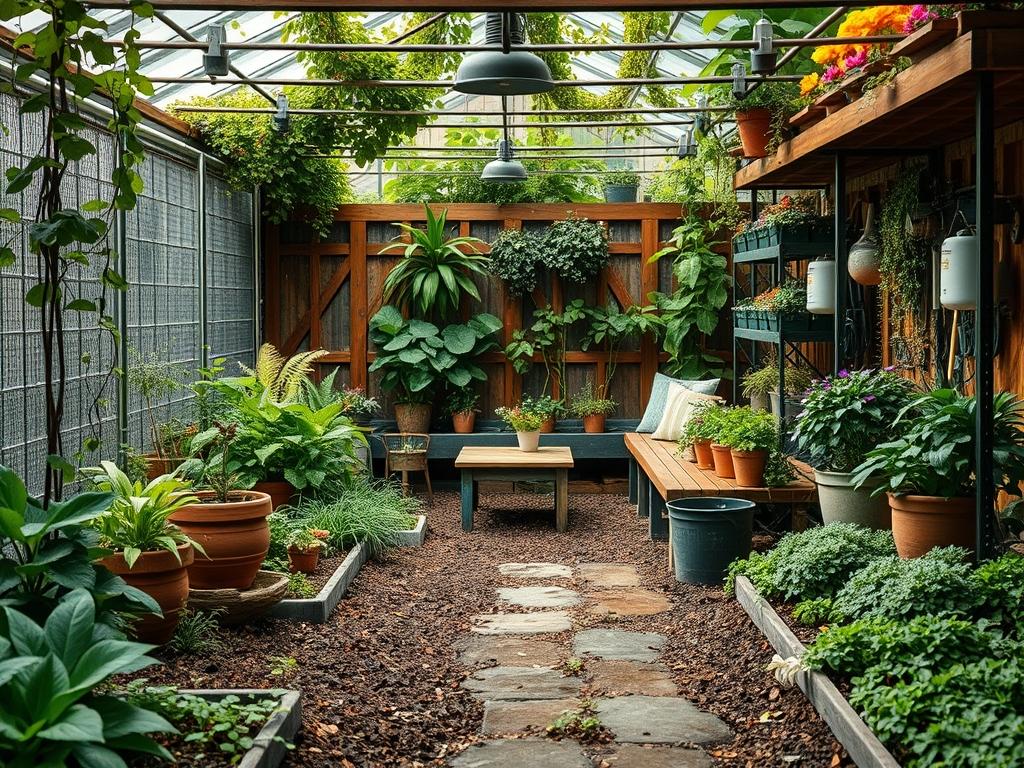
Creating a functional outdoor retreat requires a sophisticated understanding of spatial hierarchy and environmental psychology. Homeowners often view their backyards as monolithic expanses of turf, yet the most successful landscapes treat the garden as a series of interconnected rooms. Transforming an underutilized corner into one of many Backyard Seating Nooks involves more than just selecting a comfortable chair; it requires a deep dive into site analysis, microclimate assessment, and structural integrity. A well-designed nook enhances the property value by increasing usable square footage while providing a private sanctuary that reacts to the shifting light and temperature of the day. The challenge lies in balancing the aesthetic desire for intimacy with the technical requirements of drainage, soil stability, and plant health. By focusing on the intersection of hardscaping and softscaping, a professional architect can craft a space that feels both secluded and purposefully integrated into the broader landscape.
Landscape Design Principles for Intimate Spaces
The foundation of a successful nook rests on the principle of enclosure. Human comfort in outdoor settings often stems from the concept of prospect and refuge, where one feels protected from behind while having a clear view of the surrounding environment. To achieve this, designers use elevation layers. Incorporating a sunken patio or a slightly raised wooden deck can define the boundaries of the seating area without the need for tall, imposing walls. Symmetry plays a vital role in formal designs, where mirrored plantings of Boxwood create a sense of order and calm. Conversely, asymmetrical layouts using natural stone and organic planting drifts offer a more relaxed, woodland atmosphere.
Focal points are essential to draw the eye and provide a sense of purpose to the space. Whether it is a bespoke Fire Pit, a singular architectural specimen like a Japanese Maple, or a modest water feature, the focal point anchors the nook and dictates the furniture arrangement. Pathing also influences the experience; a winding walkway made of Flagstone or crushed Decomposed Granite slows the pace of the visitor, making the arrival at the seating area feel like a destination. Furthermore, irrigation planning must be integrated early. Subsurface drip lines should be mapped to ensure that the surrounding greenery thrives without causing overspray onto the seating or furniture, which can lead to premature weathering or mold growth.
Plant and Material Selection
Selecting the right biological and structural components is the most critical phase for long-term sustainability. The materials must withstand local weather fluctuations while providing the desired texture and color palette. The following table highlights several plant species that excel in defining small, cozy environments.
| Plant Type | Sun Exposure | Soil Needs | Water Demand | Growth Speed | Maintenance Level |
| :— | :— | :— | :— | :— | :— |
| Star Jasmine | Full Sun to Part Shade | Well-drained, Loamy | Moderate | Fast | Low (occasional pruning) |
| Japanese Forest Grass | Part to Full Shade | Moist, Fertile | Moderate to High | Slow | Low |
| Dwarf Fountain Grass | Full Sun | Adaptable/Well-drained | Low | Moderate | Low |
| Emerald Green Arborvitae | Full Sun to Part Shade | Moist, Well-drained | Moderate | Moderate | Medium (requires water) |
| Creeping Thyme | Full Sun | Poor to Average/Sandy | Low | Fast | Low |
For hardscaping, the choice of material dictates the thermal comfort of the nook. Natural Stone like slate or limestone absorbs less heat than poured concrete, making it more comfortable for bare feet during summer months. Using Permeable Pavers or a Pea Gravel base facilitates natural drainage, reducing the risk of standing water. When selecting wood for pergolas or benches, Cedar or Ipe are preferred for their natural resistance to rot and insect infestation.
Implementation Strategy
The transition from a design concept to a physical structure begins with meticulous site preparation. Successful Backyard Seating Nooks require a stable foundation to prevent shifting over time. Start by clearing the area of all sod and debris, then proceed to Grading. A professional standard involves creating a slope of 1 to 2 percent away from any existing structures to ensure proper water runoff. Once the grade is established, the sub-base must be compacted using a Plate Compactor to prevent future settling.
For a paved or gravel nook, lay down a layer of Geotextile Fabric to separate the soil from the aggregate, which prevents weeds from penetrating and keeps the stone from sinking into the earth. If you are installing a retaining wall or a built-in bench, ensure the footings are placed below the local frost line to avoid heaving. Use Steel Edging or Aluminum Edging to create clean, crisp borders between the seating area and the surrounding planting beds. This prevents invasive grass roots from encroaching on the nook. Finally, apply a 3-inch layer of organic Mulch to the garden beds to regulate soil temperature and retain moisture, selecting a color that complements the stone or wood used in the seating area.
Common Landscaping Failures
The most frequent mistake in designing Backyard Seating Nooks is the neglect of drainage. Many DIY projects result in a “bathtub effect,” where the excavated area collects water because there is no exit path, leading to mud, mosquito breeding, and ruined furniture. To avoid this, consider installing a French Drain hidden beneath the gravel or pavers. Another common failure is root overcrowding. It is tempting to plant for “instant impact,” but placing large-growth shrubs too close to a patio will eventually lead to cracked pavers and narrow, unusable paths as the plants reach maturity.
Improper spacing of furniture within the nook also diminishes its functionality. A minimum of 36 inches of clearance is required for primary traffic paths to ensure the space does not feel claustrophobic. Soil compaction is another silent killer of landscape health; frequent foot traffic around the seating area can squeeze the air out of the soil, suffocating plant roots. Using stepping stones or defined paths prevents this compaction. Lastly, inefficient irrigation often ruins seating areas. If the Pop-up Sprinklers are not adjusted correctly, they can soak the seating area every night, leading to the decay of wood and the staining of stone surfaces.
Seasonal Maintenance
A professional landscape is not a static object; it is a living system that requires seasonal intervention to maintain its peak condition. In the Spring, the focus should be on rejuvenating the site. This involves removing winter debris, checking for any frost-damaged plants, and applying a pre-emergent herbicide to prevent weed seeds from germinating in the gravel or cracks between pavers. This is also the time to inspect any wooden structures for signs of wear and re-stain them if necessary.
As Summer arrives, the priority shifts to hydration. Monitor the soil moisture levels and adjust the Irrigation Controller for higher temperatures. Pruning spent blooms from nearby perennials will encourage a second flush of flowers, keeping the nook vibrant. In Autumn, general cleanup is essential. Falling leaves should be cleared from the nook regularly to prevent them from staining the stone or becoming a slippery hazard. This is the ideal time to plant spring-flowering bulbs around the perimeter for a burst of early color. During Winter, the landscape is at its most vulnerable. Drain all irrigation lines to prevent pipe bursts, and move any delicate furniture or pottery to a sheltered location. If you live in a snowy climate, avoid using rock salt on pavers as it can cause pitting and damage the soil chemistry for spring plantings.
Professional Landscaping FAQ
How do I choose the right location for a seating nook?
Look for natural boundaries like house corners, existing large trees, or fences. Prioritize areas with a balance of sun and shade throughout the day. Ensure the site has a natural slope for drainage and is far enough from noisy street traffic.
What is the best material for a low-maintenance patio?
Permeable Pavers or Flagstone set in a bed of crushed stone offer the best longevity with minimal upkeep. These materials allow water to drain through the joints, reducing puddles. Periodically brushing new Polymeric Sand into joints keeps the surface stable and weed-free.
Can I build a seating nook in a very small backyard?
Yes, small spaces benefit most from vertical interest. Use narrow, columnar plants like Sky Pencil Holly to create privacy without consuming floor space. Built-in benches along a fence line maximize the central area for movement while providing ample seating for guests.
How do I handle poor soil drainage in my seating area?
If the soil is heavy clay, install a Catch Basin or a Dry Creek Bed to redirect water. Replacing a portion of the soil with a mix of sand and organic compost can improve percolation. Elevating the nook slightly also prevents water accumulation.
What lighting is best for a cozy evening atmosphere?
Utilize a layered approach with Low-Voltage LED landscape lights. Use path lights for safety and discreet Up-lighting on trees to create a sense of ceiling. Avoid bright floodlights; instead, choose warm-toned bulbs to maintain a soft, inviting glow.