
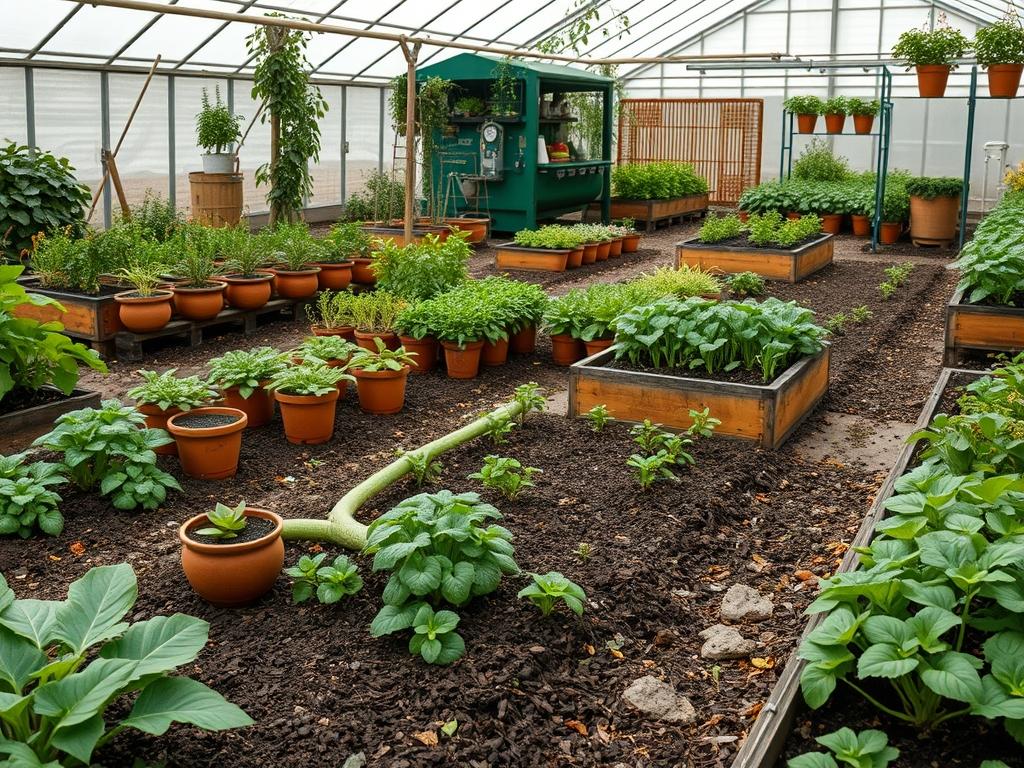
Modern residential landscapes are undergoing a significant transformation, moving away from purely ornamental displays toward high-functioning, edible environments. The primary challenge for the modern landscape architect is to integrate these productive spaces into a cohesive design that enhances, rather than detracts from, the property’s curb appeal. Traditionally, vegetable gardens were relegated to the furthest corners of the backyard to hide their mid-season disarray. However, the rise of modern vegetable patches as architectural focal points allows for a seamless blend of utility and aesthetics. By applying rigorous design standards, these patches contribute to the outdoor living experience, offering structured beauty and fresh produce simultaneously. Climate considerations remain paramount; the orientation of the beds must maximize solar gain while shielding delicate crops from prevailing winds. Achieving this balance requires a strategic approach to site planning, ensuring that the garden serves as a functional extension of the home’s architecture.
Landscape Design Principles
Successful modern vegetable patches rely on the fundamental principle of linear symmetry. Clean lines and hard angles define the contemporary aesthetic, often utilizing rectangular or L-shaped raised beds to create a sense of order. Sightlines from the primary residence should guide the placement of these structures. When a garden is viewed from a kitchen window or a patio, the geometry of the beds should align with the architectural axes of the house. Symmetry does not imply monotony; designers can introduce visual interest through repeating patterns and the rhythmic placement of vertical elements like obelisks or custom steel trellises.
Focal points are essential to prevent the space from feeling like a mere utility zone. A central stone plinth, a modern water feature, or a sculptural perennial bush can anchor the design. Elevation layers play a crucial role in modern designs by breaking the flatness of a traditional plot. By varying the heights of raised beds, perhaps using 18-inch heights for root vegetables and 30-inch heights for accessibility and visual depth, the architect creates a dynamic landscape. This tiered approach also allows for better drainage management and creates microclimates within the patch itself.
Walkway design is frequently overlooked but remains vital for both functionality and style. Modern layouts often employ 2-inch thick basalt pavers or large-format concrete slabs set in a field of dark Mexican beach pebbles. The contrast between the hard masonry and the soft, organic forms of the plants emphasizes the “modern” label. These paths must be wide enough, typically a minimum of 36 inches, to allow for comfortable passage and the use of garden equipment. Irrigation planning is the final layer of the design principle; hidden sub-surface drip lines ensure that the aesthetic is not marred by unsightly hoses while delivering water directly to the root zones of the crops.
Plant and Material Selection
The materials used in modern vegetable patches must be durable and visually striking. Corten steel, Western Red Cedar, and poured-in-place concrete are popular choices for bed construction. These materials age gracefully and provide a neutral backdrop that makes the vibrant greens and reds of the vegetables stand out. Below is a guide for selecting plants that thrive in these structured environments.
| Plant Type | Sun Exposure | Soil Needs | Water Demand | Growth Speed | Maintenance Level |
| :— | :— | :— | :— | :— | :— |
| Lacinato Kale | Full Sun | Loamy, High Nitrogen | Moderate | Fast | Low |
| Rosemary (Upright) | Full Sun | Well-Drained, Sandy | Low | Moderate | Low |
| Rainbow Swiss Chard | Full/Partial Sun | Rich, Organic | Moderate | Fast | Medium |
| Indeterminate Tomato | Full Sun | Deep, Fertile | High | Aggressive | High |
| English Lavender | Full Sun | Alkaline, Gritty | Low | Slow | Low |
| Bush Beans | Full Sun | Loamy, Neutral pH | Moderate | Fast | Medium |
| Japanese Eggplant | Full Sun | Warm, Nutrient Rich | High | Moderate | Medium |
Implementation Strategy
The construction of modern vegetable patches begins with precise site preparation. First, the area must be cleared of existing turf and weeds. Grading is critical; ensure the site has a 1% to 2% slope to prevent water from pooling around the base of the structures. Once the site is level, the footprint of the beds is marked using surveyor’s stakes and string lines to ensure perfect 90-degree angles. For permanent structures like concrete or heavy timber beds, a base of compacted 3/4-inch crushed gravel at a depth of 4 inches prevents shifting and sinking over time.
Hardscaping comes next. If using Corten steel, ensure the panels are bolted or welded to internal stakes for stability. For wooden beds, use stainless steel fasteners to prevent rust streaks. Before filling the beds, install a high-quality geotextile fabric at the bottom to prevent invasive weed growth while allowing for drainage. Edging around the perimeter of the patch should be sharp and defined. A 1/4-inch steel edge buried 3 inches into the ground creates a crisp transition between the garden path and the surrounding lawn or mulch.
The soil mix is the engine of the garden. A professional blend of 60% topsoil, 30% organic compost, and 10% perlite or coarse sand provides the ideal balance of nutrients and aeration. Mulch depth should be maintained at 2 to 3 inches using shredded cedar or pine straw to regulate soil temperature and retain moisture. Finally, the installation of an automated smart irrigation controller enables precise water management, which is essential for the high-yield requirements of vegetable gardening.
Common Landscaping Failures
The most frequent failure in modern vegetable patches is poor drainage. Designers often focus on the exterior aesthetics of a raised bed and neglect the exit path for water. Without weep holes in masonry or proper substrate permeability, the soil becomes waterlogged, leading to anaerobic conditions and root rot. Another common mistake is root overcrowding. While the “square foot gardening” method is popular, it can lead to stunted growth and increased disease susceptibility if airflow is restricted. Proper spacing, as specified on seed packets or nursery tags, is non-negotiable for plant health.
Soil compaction is a silent killer of productivity. This occurs when gardeners step inside the beds or use heavy machinery near the root zones. Modern raised beds should be designed no wider than 4 feet, allowing users to reach the center from either side without ever setting foot on the soil. Furthermore, improper irrigation timing can destroy a crop. Watering in the late evening keeps foliage wet overnight, which invites fungal pathogens. A professional-grade system should be programmed for early morning delivery to allow excess moisture on leaves to evaporate quickly as the sun rises.
Seasonal Maintenance
Spring maintenance involves a thorough inspection of the hardscaping. Check for any frost heave that may have shifted pavers or tilted bed walls. Soil should be amended with a 2-inch layer of fresh compost before the first seeds are sown. This is also the time to test the irrigation system, checking for leaks in the poly-tubing or clogged emitters. As summer transitions into autumn, the focus shifts to sanitation. Removing spent biological matter is crucial for pest control. Fallen tomato leaves or rotted fruit can harbor larvae and fungal spores that will over-winter in the soil.
During the winter months, the modern vegetable patch should not look abandoned. Clean lines remain visible even when empty. Planting evergreen herbs like Rosemary or Thyme provides year-round structure. If the beds are not in use for winter crops, a tucked-in layer of burlap or a green manure cover crop like winter rye can protect the soil from erosion and nutrient leaching. For those in colder climates, draining the irrigation manifold is an essential task to prevent frozen pipes from bursting.
Professional Landscaping FAQ
How do I prevent wooden beds from rotting?
Use rot-resistant species like Western Red Cedar or Black Locust. Apply a food-safe sealant to the interior boards and ensure a 2-inch layer of drainage gravel sits beneath the frame to prevent constant soil contact and moisture trapping.
What is the best modern material for edging?
Corten steel is the premier choice for modern aesthetics. It provides a thin, sharp profile that creates crisp lines. It develops a protective rust patina that contrasts beautifully with green foliage while resisting structural degradation for decades.
How much sun do modern vegetable patches require?
Most edible crops require a minimum of six to eight hours of direct sunlight daily. When designing, use SunCalc tools to map shadows cast by the house or existing trees to ensure optimal placement for photosynthesis and crop yield.
Why is drainage important for raised beds?
Without proper drainage, water displaces oxygen in the soil, leading to anaerobic conditions and root rot. Incorporating weep holes in masonry beds or using permeable landscape fabric at the base ensures excess moisture exits the root zone efficiently.
Can I automate irrigation for small patches?
Yes. Install a smart irrigation controller paired with 1/2-inch mainline tubing and 0.5 GPH pressure-compensating drippers. This configuration delivers precise hydration directly to the root zone, reducing water waste and preventing fungal diseases caused by overhead watering.