
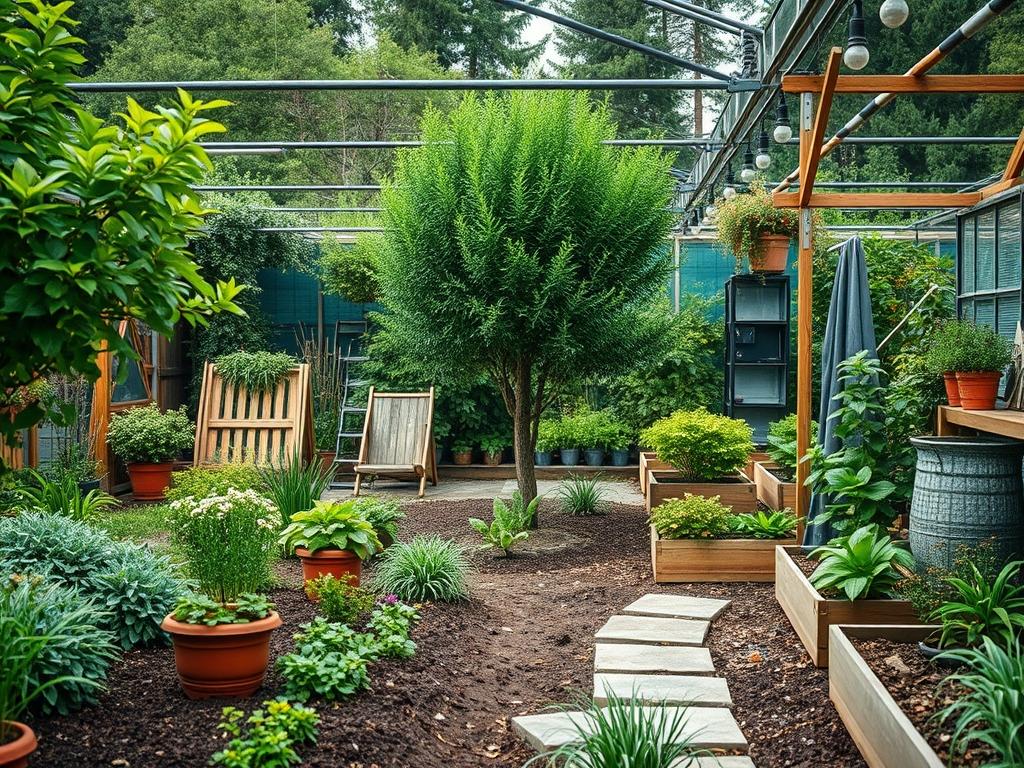
Homeowners often view their property as a professional sanctuary, yet the exposure of a backyard to neighbors can diminish the sense of tranquility and exclusivity. Establishing a living perimeter through the strategic use of backyard privacy trees serves a dual purpose. It creates an immediate biological sound barrier while significantly enhancing the property value through improved curb appeal. Unlike hardscape fencing, which can feel cold and restrictive, a managed green screen offers textured depth and seasonal interest. Selecting the right species requires a thorough understanding of your local USDA hardiness zone, the specific microclimate of your lot, and the long term maintenance commitments required to keep a dense canopy. Professional landscape planning focuses on functionality, ensuring that your privacy screen does not inadvertently create drainage issues or interfere with overhead utility lines as the trees reach maturity.
Landscape Design Principles
Effective landscape architecture relies on the concept of layered transition. When planning for backyard privacy trees, do not simply plant a single row of identical specimens. This approach, while providing a formal look, is vulnerable to pests or diseases that can wipe out the entire screen. Instead, utilize the principle of elevation layers. By staggering taller evergreen species like the Thuja Green Giant in the background and placing mid sized flowering shrubs in the foreground, you create a naturalistic aesthetic that feels expansive. This tiered approach also allows for better air circulation, which is critical for preventing fungal infections in dense foliage.
Symmetry and focal points are essential for directing the eye away from unsightly views. A large, specimen grade Japanese Cedar can act as a stunning anchor for a corner, while lower level plantings provide the necessary density at eye level. Beyond the plants themselves, consider the integration of walkways and irrigation planning. A professional grade drip irrigation system using polyethylene tubing ensures that water reaches the root zones directly, minimizing evaporation and waste. If your site has significant slope variations, you may need to incorporate retaining walls or stone tiers to prevent soil erosion and ensure the root balls of your new trees remain stable and hydrated.
Plant and Material Selection
The success of a privacy screen depends on matching the biological needs of the tree to the specific site conditions. Selecting a fast growing tree that requires full sun for a shaded northern exposure is a recipe for sparse growth and eventual failure.
| Plant Type | Sun Exposure | Soil Needs | Water Demand | Growth Speed | Maintenance Level |
| :— | :— | :— | :— | :— | :— |
| Thuja Green Giant | Full Sun to Partial Shade | Moist, Well-Drained | Moderate | 3-5 Feet / Year | Low |
| Leyland Cypress | Full Sun | Adaptable / Loamy | High during youth | 3-4 Feet / Year | Moderate |
| Nellie R. Stevens Holly | Full Sun to Partial Shade | Acidic, Well-Drained | Moderate | 2-3 Feet / Year | Low |
| Italian Cypress | Full Sun | Well-Drained / Sandy | Low | 3 Feet / Year | Low |
| Clumping Bamboo | Full Sun to Partial Shade | Nutrient Rich | High | 5+ Feet / Year | High |
| Emerald Green Arborvitae | Full Sun | Loamy | Moderate | 1-2 Feet / Year | Low |
For high density screening, Thuja Green Giant remains the industry standard due to its deer resistance and rapid vertical growth. If the landscape layout is narrow, the Italian Cypress offers a sleek, columnar profile that provides height without encroaching on usable lawn space. Always verify the soil pH using a soil test kit before installation to ensure the selected species will thrive in the existing earth.
Implementation Strategy
The installation phase begins with a precise site survey. Mark the locations of all underground utilities by calling your local service line. Once cleared, use a marking spray to outline the planting trench or individual holes. For a dense screen, trees should generally be spaced 5 to 8 feet apart, depending on their mature width. Digging the hole is a critical step; the cavity should be at least twice the width of the root ball but no deeper than the root flare. Setting a tree too deep causes trunk rot, while setting it too high leads to root desiccation.
Before backfilling, inspect the soil structure. If the ground is heavy clay, amend the backfill with organic compost or pine bark fines to improve aeration. Use a shovel to break up large clods of earth. Once the tree is positioned, backfill halfway and water thoroughly to settle the soil and eliminate air pockets. After the hole is filled, apply a 3 inch layer of hardwood mulch around the base, ensuring the mulch does not touch the actual trunk. This layer retains moisture and suppresses competitive weeds. For larger specimens, use wooden stakes and arbor tie to provide stability during the first growing season, allowing the root system to anchor firmly in the new environment.
Common Landscaping Failures
The most frequent error in backyard privacy projects is improper drainage. If a site lacks a natural exit point for excess water, the root systems of the trees will suffocate, leading to root rot. Installing a French drain or adjusting the grading of the yard to direct runoff away from the planting strip can mitigate this risk. Another common mistake is root overcrowding. While it is tempting to plant trees close together for an immediate screen, they will eventually compete for nutrients and light, causing the lower branches to thin out and die.
Soil compaction is a hidden killer in new construction landscapes. Heavy machinery often packs the dirt so tightly that roots cannot penetrate the earth. Using a power auger or core aerator can help break up these layers before planting. Additionally, many homeowners ignore the long term water needs of fast growing species. A Leyland Cypress, for example, has a high transpiration rate and will brown out quickly if the soil dries out during a midsummer heatwave. Over reliance on overhead sprinklers also causes issues, as wet foliage is a breeding ground for bagworms and spider mites.
Seasonal Maintenance
A professional landscape requires year round attention to remain healthy and structurally sound. In the spring, apply a slow release fertilizer (such as a 10-10-10 blend) to support the rapid growth phase. This is also the time to inspect for pests and apply horticultural oil if necessary. As summer arrives, the primary focus shifts to hydration. Use a soaker hose for deep watering sessions twice a week rather than light daily sprinkling. This encourages roots to grow deeper into the soil, making the trees more drought tolerant over time.
Autumn is the ideal window for structural pruning. Remove any crossing branches or dead wood using bypass pruners or loppers. This is also the period to refresh the mulch layers to insulate the roots against the coming freeze. In winter, especially in colder climates, evergreen trees can suffer from desiccation due to harsh winds. Applying an anti-desiccant spray can help the foliage retain moisture when the ground is frozen. If heavy snow occurs, use a broom to gently brush accumulation off the branches of flexible species like Arborvitae to prevent limb breakage.
Professional Landscaping FAQ
How far apart should I space privacy trees for a solid screen?
For most fast growing evergreens, space trees 6 to 10 feet apart. If you desire a faster fill, stagger two rows in a zigzag pattern. This allows for better airflow while providing total visual density much sooner than a single line.
What is the best way to accelerate growth in new trees?
Consistent moisture and proper nutrition are key. Employ a drip irrigation system and apply organic mulch to regulate soil temperature. Regular applications of a balanced fertilizer during the spring and early summer will maximize the vertical gains of the species.
Can I plant privacy trees over a septic leach field?
Avoid planting large trees over septic components. Roots seek moisture and can invade pipes, causing expensive structural damage. Stick to shallow rooted shrubs or ornamental grasses if you must plant near a drainage field, and maintain a 20 foot buffer.
What should I do if my trees start browning in the center?
Interior browning is often natural shedding or a phosphorus deficiency. However, if it is excessive, check for spider mites or fungal pathogens. Prune away dead interior wood to improve light penetration and air movement, then treat with an appropriate fungicide if needed.
How do I prevent deer from destroying my new privacy screen?
Selection is the best defense; choose deer resistant varieties like Thuja Green Giant or Holly. For vulnerable species, apply liquid deer repellent or install temporary fencing until the trees are tall enough that the lower canopy is above the reach of local wildlife.