
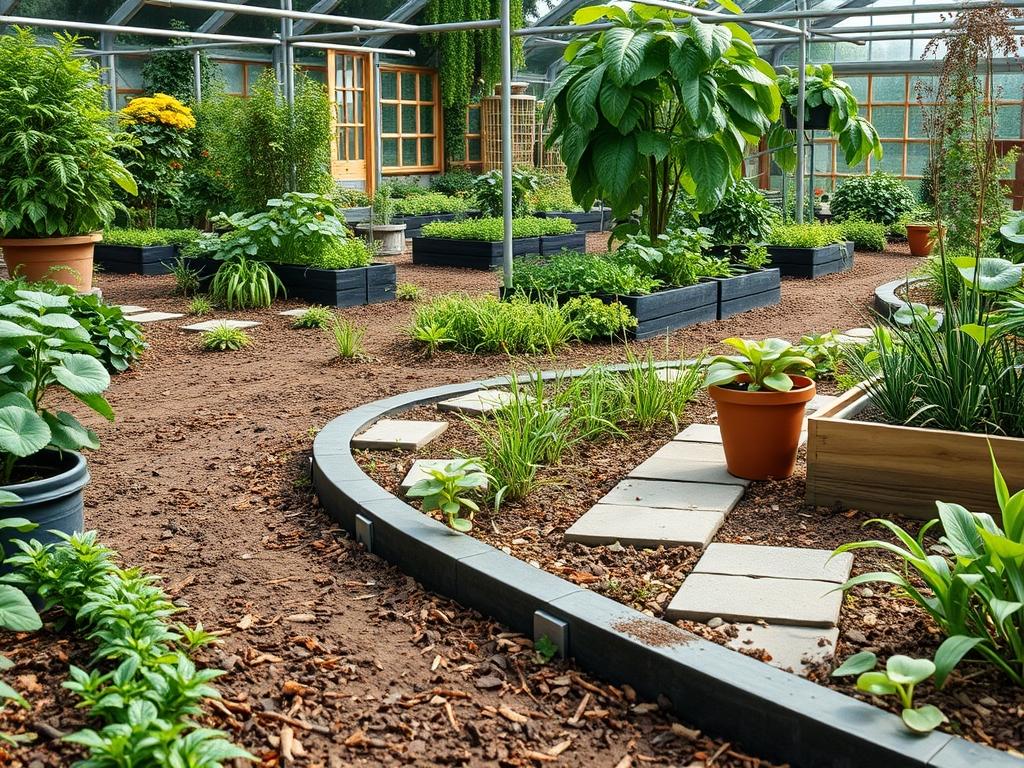
Achieving a clean, architectural finish for a residential property begins where the pavement meets the soil. A driveway is more than just a functional strip for vehicle access; it serves as the primary visual axis that guides guests toward the home. When this transition lacks definition, the entire landscape can feel unresolved. Modern driveway edging serves two critical purposes: it provides a structural barrier that prevents turf migration and aggregate spread, and it establishes a crisp aesthetic line that enhances curb appeal. In various climates, the choice of edging material must account for soil expansion, thermal fluctuations, and the hydraulic pressure of stormwater runoff. By integrating professional grade materials and thoughtful design geometry, homeowners can transform a utilitarian necessity into a sophisticated design feature that raises property value and reduces long term maintenance requirements.
Landscape Design Principles
Modern landscaping relies on the rigorous application of spatial hierarchy and visual balance. When planning driveway edging, symmetry often dictates the tone of the entrance. For a formal contemporary look, perfectly mirrored borders using Corten Steel or Pre-cast Concrete create a sense of intentionality and discipline. Conversely, asymmetrical designs can be used to balance a home that has an offset entryway. In these cases, one side of the driveway might feature a low Retaining Wall while the opposite side utilizes a minimalist Aluminum Edge to allow the lawn to flow seamlessly toward the hardscape.
Elevation layers play a vital role in how the eye perceives the transition from the driveway to the garden. Raising the edging slightly above the grade can prevent mulch from washing onto the asphalt during heavy rain. However, the integration of focal points such as architectural lighting or specimen plants must be planned in conjunction with the border. Irrigation planning is another critical step that many overlook. Running Drip Irrigation Lines beneath or alongside the edging ensures that the perimeter plantings receive consistent moisture without wasting water on the driveway surface. A well designed border acts as a conduit for both visual beauty and functional infrastructure.
Visual balance is also achieved through contrast. Darker materials like Charcoal Basalt or Black Anodized Metal provide a sharp frame for vibrant green turf or light colored gravel. This creates a “shadow line” effect that is highly prized in modern architecture. By carefully considering the width and height of the edging, a landscape architect can manipulate the perceived scale of the driveway, making a narrow path appear wider or a vast expanse feel more grounded and intimate.
Plant and Material Selection
Selecting the right combination of softscape and hardscape materials is essential for a low maintenance driveway border. The following table highlights common plant species used in modern edging designs to complement structural materials.
| Plant Type | Sun Exposure | Soil Needs | Water Demand | Growth Speed | Maintenance Level |
| :— | :— | :— | :— | :— | :— |
| Boxwood (Buxus) | Full Sun to Shade | Well-drained | Moderate | Slow | Medium (Requires Pruning) |
| Blue Oat Grass | Full Sun | Rocky/Lean | Low | Moderate | Low |
| Liriope Muscari | Partial Shade | Adaptable | Low | Fast | Very Low |
| Creeping Thyme | Full Sun | Sandy/Dry | Very Low | Moderate | Low (Drought Tolerant) |
| Evergreen Candytuft | Full Sun | Gritty/Alkaline | Moderate | Moderate | Low |
| Dwarf Fountain Grass| Full Sun | Loamy | Moderate | Fast | Low (Cut back in winter) |
Implementation Strategy
The successful installation of driveway edging requires meticulous site preparation and a focus on long term stability. The process begins with Grading, which involves assessing the slope of the land to ensure that water moves away from the home and the driveway sub-base. Once the grade is established, a Trench must be excavated along the perimeter. For most modern edging materials like Metal Strips or Stone Pavers, the trench should be approximately 4 to 6 inches deep to accommodate a leveling base of Crushed Limestone or Decomposed Granite.
After the base material is compacted using a Plate Compactor, the chosen edging material is installed. If using Steel Edging, it is secured with 12-inch Metal Stakes driven at an angle to resist frost heave. For Masonry Borders, a layer of Polymeric Sand or mortar may be required to lock the units in place and prevent weed growth between joints. Once the structural edge is set, the transition zone is filled with Hardwood Mulch or decorative River Rock. A mulch depth of 3 inches is recommended to suppress weeds and retain soil moisture for the perimeter plants.
Drainage must be addressed during this phase. In areas with high clay content, installing a French Drain behind the edging can prevent water from pooling against the driveway edge, which often leads to cracking and subsidence. This drainage infrastructure is hidden beneath the surface, maintaining the clean lines characteristic of modern design while ensuring the structural integrity of both the landscape and the pavement.
Common Landscaping Failures
One of the most frequent mistakes in driveway edging is the failure to account for root overcrowding. When large trees or aggressive shrubs are planted too close to the drive’s edge, their lateral roots can lift Concrete Pavers or buckle Asphalt over time. Proper spacing, informed by the mature spread of the species, is vital for long term success. Another common failure is soil compaction during the construction phase. Heavy machinery used to install driveways often leaves the surrounding soil so dense that plants struggle to establish healthy root systems, leading to a stunted or patchy appearance along the border.
Improper drainage is perhaps the most destructive failure. If the edging acts as a dam, water will saturate the driveway’s sub-grade, leading to potholes and structural failure. Professional designs always include weep holes or gravel channels to allow for lateral water movement. Additionally, using the wrong irrigation heads can lead to inefficiencies. Overhead sprays that hit the edging rather than the root zone cause staining on Natural Stone and promote the growth of moss and algae, which can become slippery and hazardous. Finally, many homeowners fail to use a Geotextile Fabric beneath their decorative rock borders, allowing soil to mix with the clean stone and facilitating the rapid emergence of weeds.
Seasonal Maintenance
Maintenance requirements fluctuate with the seasons, but consistency is the key to preserving a modern, clean look. In the Spring, the focus is on clearing debris that accumulated during the winter. This is the time to check the alignment of the edging and reset any sections that may have shifted due to freeze-thaw cycles. Applying a fresh layer of Mulch and fertilizing native plants will kickstart the growing season.
During the Summer, irrigation management becomes the priority. Monitoring for signs of heat stress in the border plants and ensuring that Drip Lines are functioning correctly will keep the landscape vibrant. Pruning may be necessary for species like Boxwood to maintain their crisp, geometric shapes. In the Autumn, removing fallen leaves from the edging prevents organic matter from decomposing against the driveway, which can cause permanent staining on lighter colored concrete or stone. This is also the time to plant spring blooming bulbs along the border for early color.
Winter maintenance involves protecting the edging from physical damage. If you live in a snowy climate, mark the location of the edging with Reflective Stakes to prevent snowplows or shovels from catching the lip of the border. Avoid using harsh de-icing salts near the edging, as they can corrode Metal Borders and kill sensitive Native Plants. Instead, use sand or calcium magnesium acetate to provide traction without compromising the health of the landscape.
Professional Landscaping FAQ
What is the most durable material for modern driveway edging?
Corten Steel and Granite Cobblestones are exceptionally durable. Steel provides a thin, modern profile that resists rot, while granite withstands heavy vehicle weight and extreme weather without degrading. Both options offer a lifespan exceeding twenty years with minimal upkeep.
How do I prevent weeds from growing in my driveway border?
Installing a heavy duty Geotextile Filter Fabric beneath your mulch or rock is essential. Additionally, filling joints between pavers with Polymeric Sand creates a hardened barrier that prevents windblown seeds from taking root in the gaps.
Can I install driveway edging on an existing driveway?
Yes, edging can be retrofitted. You must excavate a trench alongside the existing edge and ensure the new border is secured with stakes or a concrete haunch. This is a common way to refresh curb appeal without replacing the entire driveway.
Should my edging be flush with the ground or raised?
Raised edging, typically 2 to 3 inches above the surface, is better for containing mulch and preventing soil washout. Flush edging offers a flatter, minimalist transition but requires more frequent maintenance to keep grass from creeping over the boundary.
Which plants are best for low-maintenance driveway borders?
Liriope, Ornamental Grasses, and Dwarf Shrubs are ideal. These species are drought tolerant once established and require only annual pruning to maintain their shape, making them perfect for high traffic areas near vehicles and pedestrians.