
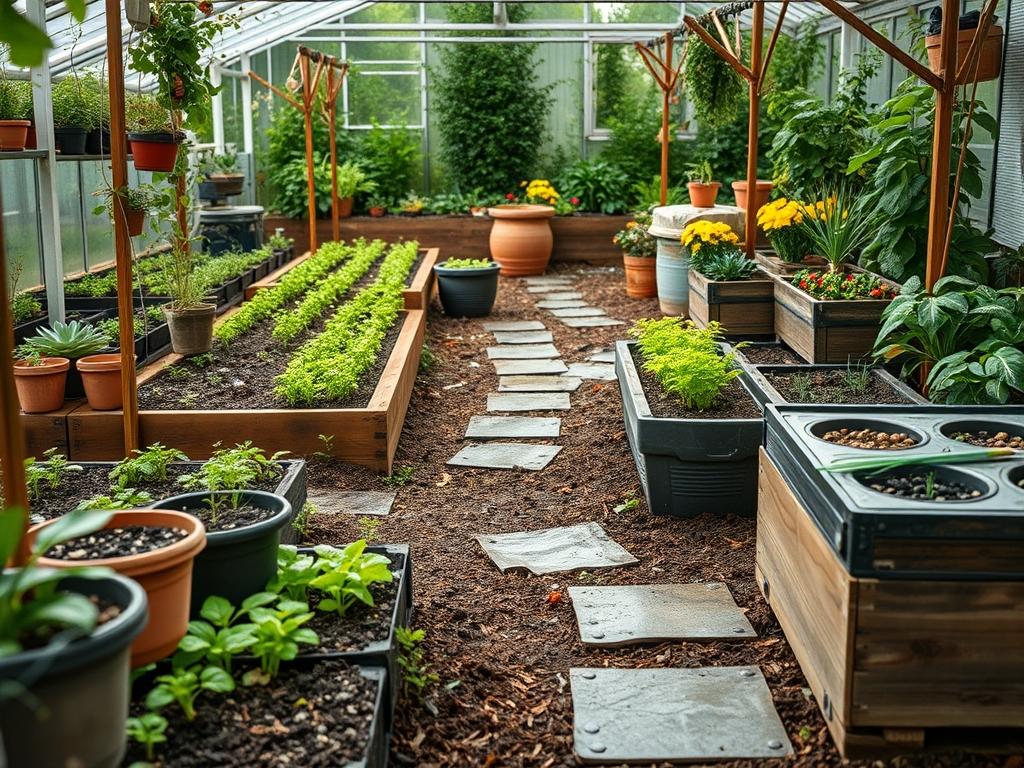
The visual impact of a professional landscape relies equally on living organic matter and the structural integrity of the hardscape elements that define the space. For many homeowners, the investment in a high-quality patio, walkway, or driveway constitutes a significant portion of the total property value. However, the environmental toll on these surfaces is relentless. UV radiation, heavy rainfall, and freeze-thaw cycles collaborate to degrade even the most robust materials. This reality makes the technical application of a protective barrier a critical step in site management. Understanding the various Paver Sealing Benefits is the first step toward moving from a reactive maintenance mindset to a proactive preservation strategy. By treating the hardscape as a living asset rather than an inert surface, designers can ensure that the original aesthetic intent remain intact for decades.
Climate considerations play a major role in how these materials age. In regions with high humidity, joints between pavers often become nurseries for moss and weeds, which trap moisture and accelerate the breakdown of the polymeric sand. In colder climates, moisture that seeps into unsealed concrete or stone can expand during freezing, leading to micro-cracks and surface spalling. Beyond physical protection, the curb appeal of a property is tied to the vibrancy of its colors. Sun exposure tends to bleach the pigments out of concrete pavers, leaving them looking dusty and grey. A professional grade sealant acts like a sunscreen, locking in the deep charcoal or warm terracotta hues that were chosen during the design phase. This ensures the outdoor functionality of the space remains high, as a sealed surface is easier to clean, resists oil stains, and prevents the buildup of organic debris.
Landscape Design Principles
A successful landscape design is anchored by symmetry and clear focal points. When we plan an environment, we treat the hardscape as the skeleton of the garden. It provides the necessary structure to support visual balance. Using natural stone or interlocking pavers allows a designer to create distinct “rooms” within an outdoor space. This is often achieved through elevation layers. By using a retaining wall or a stepped terrace, we can transform a flat, uninteresting yard into a multi-dimensional environment. These layers allow for different plant heights, which helps in creating a sense of enclosure and privacy.
Irrigation planning must be integrated into the design from the very beginning. It is not enough to simply place plants in the ground; one must consider how water moves across the hardscape and into the soil. Walkways should be designed with a subtle 2% slope to ensure water flows away from the home foundation and toward designated drainage areas. Visual balance is achieved by counteracting the hard, straight lines of a paver patio with the soft, flowing textures of ornamental grasses and perennials. When the hardscape is properly sealed, its lines remain crisp, providing a sharp contrast that makes the surrounding greenery appear more lush and intentional.
Plant and Material Selection
Choosing the right materials is a balancing act between aesthetic desires and the biological realities of the site. The following table provides a breakdown of common plant selections that complement high-end hardscaping projects, focusing on their growth habits and environmental needs.
| Plant Type | Sun Exposure | Soil Needs | Water Demand | Growth Speed | Maintenance Level |
| :— | :— | :— | :— | :— | :— |
| English Lavender | Full Sun | Well-drained sandy | Low | Medium | Moderate |
| American Boxwood | Full to Partial | Loamy | Moderate | Slow | High (Pruning) |
| Fountain Grass | Full Sun | Varied | Low | Fast | Low |
| Japanese Maple | Partial Shade | Rich acidic | Moderate | Slow | Medium |
| Hostas | Full Shade | Moist organic | High | Medium | Low |
| Creeping Thyme | Full Sun | Gritty/Poor | Low | Fast | Low |
| Dwarf Alberta Spruce | Full Sun | Moist/Well-drained | Moderate | Very Slow | Low |
Material selection extends beyond plants to the aggregates and sealants used in construction. For the base layer of any paver installation, we recommend 6 inches of compacted crushed stone, followed by a 1 inch layer of bedding sand. Choosing a high-quality solvent-based sealant or a water-based urethane will determine the final sheen of the project, ranging from a matte natural look to a high-gloss wet look.
Implementation Strategy
The transition from a design on paper to a physical landscape requires a disciplined implementation strategy. The process begins with site grading. Proper grading ensures that the entire property sheds water efficiently. We typically utilize a transit level to verify that the ground pitch is sufficient to prevent pooling. Once the grade is established, the excavation for hardscape elements begins. For a standard walkway, we excavate to a depth of roughly 10 to 12 inches to accommodate the base materials.
After the base material is compacted using a plate compactor, the pavers are laid in the desired pattern. Edging is a step that many DIY enthusiasts skip, yet it is vital for longevity. Use heavy-duty plastic or aluminum edging secured with 10-inch steel spikes to prevent the pavers from shifting outward over time. Once the pavers are set and the polymeric sand is swept into the joints and activated with a light mist, the final stage is sealing. The surface must be completely dry and free of debris. Applying the sealant with a high-volume, low-pressure sprayer ensures even coverage without over-saturation. For the landscape beds, a 3-inch layer of organic mulch is applied to retain moisture and suppress weeds, while steel edging creates a clean break between the turf and the planting zones.
Common Landscaping Failures
The most frequent failures in landscaping are often hidden beneath the surface. Drainage mistakes are the primary culprit. When water is allowed to sit against a retaining wall without a perforated drain pipe and filter fabric, the hydrostatic pressure will eventually cause the wall to bow or collapse. Similarly, root overcrowding occurs when homeowners plant large trees like Oaks or Maples too close to their hardscape or foundation. Over time, the roots will lift the pavers, destroying the level surface and creating trip hazards.
Soil compaction is another silent killer. During construction, heavy machinery often packs the soil so tightly that oxygen can no longer reach plant roots, leading to “stunted growth” or death. To avoid this, we use aeration tools and incorporate organic compost to restore soil structure. Finally, irrigation inefficiencies, such as spray heads hitting the side of the house or the middle of a paver driveway, lead to mineral staining and wasted water. A well-designed system uses drip irrigation for planting beds to deliver water directly to the root zone, keeping the hardscape dry and clean.
Seasonal Maintenance
A landscape is a dynamic system that requires different interventions throughout the year. In the spring, the focus is on cleanup and inspection. This is the time to check for any shifting in the pavers caused by winter frosts. It is also the ideal window to apply a fresh coat of sealant if the previous layer has worn thin. Summer maintenance shifts toward hydration management. During periods of extreme heat, even drought-tolerant plants may need supplemental watering. It is also a good time to check for “pest outbreaks” in dense foliage like Boxwoods.
Autumn is the season for preparation. All fallen leaves must be cleared from the paver surfaces promptly. If left to rot, the tannins in the leaves can leave deep brown stains on the stone. We also recommend winterizing the irrigation system by blowing out the lines with compressed air to prevent pipe bursts. During the winter, avoid using harsh de-icing salts on your hardscape. Sodium chloride can eat away at the finish of the pavers and damage the surrounding soil chemistry. Instead, use sand or calcium magnesium acetate for traction, as these are gentler on both the sealant and the environment.
Professional Landscaping FAQ
How often should I seal my pavers?
In most climates, you should re-apply a professional sealant every 3 to 5 years. High-traffic areas or regions with intense UV exposure may require more frequent attention to maintain the protective barrier and color vibrancy.
Will sealing my patio make it slippery?
Not necessarily. While high-gloss sealants can be slick when wet, most professional installers mix in a non-slip additive. This fine, transparent grit provides necessary traction without altering the visual finish of the stone or concrete.
Can I seal pavers immediately after installation?
No. It is best to wait roughly 28 to 60 days before sealing new concrete pavers. This allows the materials to go through the efflorescence process, where natural salts rise to the surface and are washed away.
What is the best way to clean pavers before sealing?
Use a pressure washer on a medium setting combined with a specialized hardscape cleaner. Remove all oil stains, moss, and dirt. Ensure the surface is completely dry for at least 24 hours before applying any sealant.
Does sealing help with weed growth?
Yes. When combined with polymeric sand, sealing creates a hardened joint that is very difficult for weed seeds to penetrate. It also prevents the sand from washing away, which is the most common cause of weed infestation.