
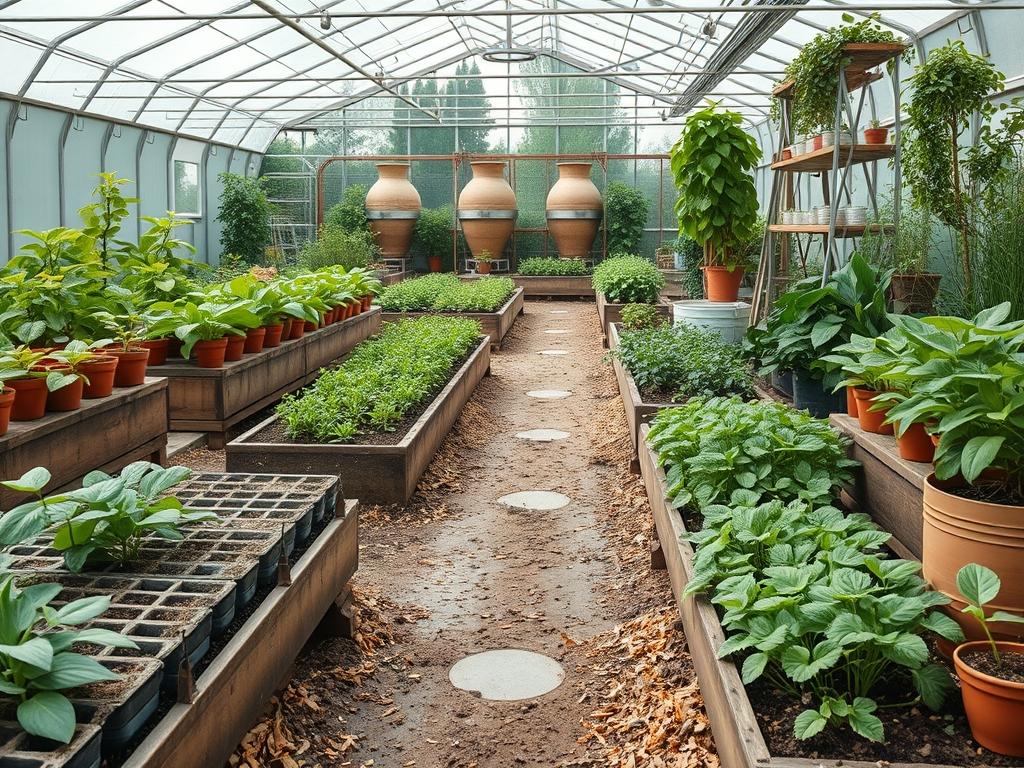
The core philosophy of landscape architecture often battles the urge to fill every square inch of available soil with color and texture. However, the modern shift toward Minimalist Garden Layouts offers a sophisticated alternative that prioritizes precision, negative space, and architectural integrity. This approach is not merely about having fewer plants; it is an intentional strategy to create a sense of calm and order through restricted palettes and clean lines. For many homeowners, the challenge lies in balancing this aesthetic with the practical realities of climate, drainage, and long term maintenance. A successful minimalist design must address the site topography while elevating the curb appeal of the property through high quality materials and structural greenery. Functionality remains the ultimate goal, ensuring the outdoor environment serves as an extension of the interior living space rather than a chaotic afterthought.
Landscape Design Principles
To master Minimalist Garden Layouts, one must first understand the importance of visual balance and the role of the focal point. In a traditional garden, the eye wanders across a sea of variety; in a minimalist one, the eye is directed. This is achieved through the use of specimen plants or sculptural elements that stand in isolation, framed by open areas of gravel, wood decking, or immaculate turf. Symmetry often plays a role, but asymmetrical balance can be equally powerful if the weights of the objects are distributed correctly across the visual plane. For example, a single heavy Basalt Boulder on one side can be balanced by a dense, low lying cluster of Ornamental Grasses on the other.
Elevation layers are critical in preventing a flat, uninspired look. By using Retaining Walls or raised steel planters, a designer can create distinct horizontal planes that add depth without adding clutter. These layers also provide an opportunity to manage site drainage and soil quality. Irrigation planning must be invisible. Subsurface Drip Irrigation is the standard for these layouts, delivering water directly to the root zones without the visual distraction of spray heads or the risk of water spotting on hardscape surfaces. Walkways should be constructed with oversized pavers or poured concrete slabs, separated by uniform gaps filled with Mexican Beach Pebbles or Decomposed Granite. This creates a rhythmic pattern that reinforces the garden geometric foundation.
Plant and Material Selection
The selection process for a minimalist palette focuses on form and longevity. You are looking for “architectural” plants that maintain their shape throughout the seasons and materials that weather gracefully.
| Plant Type | Sun Exposure | Soil Needs | Water Demand | Growth Speed | Maintenance Level |
| :— | :— | :— | :— | :— | :— |
| Boxwood (Buxus) | Full to Partial | Well-drained | Medium | Slow | Moderate (Pruning) |
| Feather Reed Grass | Full Sun | Moist / Heavy | Low | Fast | Low |
| Japanese Maple | Partial Shade | Acidic / Loamy | Medium | Slow | Moderate |
| Blue Fescue | Full Sun | Poor / Sandy | Very Low | Medium | Very Low |
| Horsetail Reed | Full to Partial | Wet / Boggy | High | Fast | High (Containment) |
| Agave Victoriae | Full Sun | Gritty / Dry | Very Low | Very Slow | Minimal |
In addition to plants, the choice of hardscape materials defines the environment. Powder-Coated Steel edging offers a razor sharp transition between lawn and garden beds. For mulching, many architects prefer Crushed Anthracite or Dark Basalt rather than wood chips, as stone does not decompose and maintains its color and crispness year after year.
Implementation Strategy
The transition from a conceptual drawing to a physical garden starts with grading. In a minimalist environment, every imperfection in the ground is magnified. You must ensure the site is leveled or sloped away from the home foundation at a precise 2 percent grade to facilitate runoff. Once the grade is established, the layout of the hardscape should be marked using a Transit Level or Laser Level to ensure all lines are perfectly horizontal or vertical.
Before any plants go into the ground, install the heavy infrastructure. This includes French Drains to handle excess rainwater and the primary lines for the irrigation system. For walkways, a 6 inch deep Sub-base of Crushed Stone is necessary to prevent shifting or cracking over time. When placing the pavers, use spacers to maintain consistent 1 inch or 2 inch gaps.
Once the hardscape is set, the planting can begin. Minimalist gardens often use grouping; instead of five different species, use five of the same species in a perfect row. When applying mulch, a minimum 3-inch Depth is required to suppress weeds effectively and provide a clean, uniform backdrop for the plants. Use Geotextile Fabric beneath stone mulch to prevent it from sinking into the soil.
Common Landscaping Failures
The most frequent mistake in Minimalist Garden Layouts is improper spacing. Homeowners often plant for the current size of the nursery pot rather than the mature size of the plant. When plants eventually grow into one another, the clean, individual silhouettes are lost, and the garden begins to look overgrown. This is known as root and canopy overcrowding, and it ruins the minimalist intent.
Another failure is neglecting soil health under the assumption that fewer plants mean less need for nutrients. Soil compaction is a major issue in minimalist designs with heavy hardscaping. If the soil is not properly aerated before the installation of pavers and gravel, the remaining planting pockets will become anaerobic, leading to root rot. Irrigation inefficiencies also pose a threat. If a single zone is used for both a high water demand plant like Horsetail Reed and a low water plant like Agave, one of them will inevitably perish. Finally, poor drainage often leads to stand water on flat hardscape surfaces, which creates algae growth and safety hazards.
Seasonal Maintenance
Minimalism is low maintenance, but it is not “no” maintenance. It requires precision rather than volume.
In the Spring, the focus is on “The Great Pruning.” This is the time to shape Boxwoods into perfect spheres or rectangles and to cut back Ornamental Grasses to a few inches above the ground. Check the irrigation system for any leaks or clogged emitters before the summer heat arrives.
Summer maintenance involves monitoring water levels and managing weeds. Even with a thick layer of mulch, stubborn weeds will appear. These must be removed immediately to maintain the clean aesthetic. If you are using wooden elements like Ipe Decking, a mid summer oiling may be necessary to preserve the deep color.
Autumn is for debris management. In a minimalist garden, a few stray leaves can look like a mess. Regular leaf blowing or raking is required to keep the gravel and stone areas pristine. This is also the time to apply a pre-emergent herbicide to prevent winter weeds.
Winter is the season where the structural integrity of the design shines. Ensure that heavy snow is brushed off delicate architectural plants to prevent branch breakage. Inspect the Steel Edging and hardscape for any signs of frost heave or shifting caused by freeze-thaw cycles.
Professional Landscaping FAQ
What is the best mulch for a minimalist look?
Dark, angular stone like Black Basalt or Charcoal Slate is preferred. It provides a permanent, high contrast background that highlights the green of the plants. Unlike wood mulch, it does not fade or blow away in the wind.
How do I handle drainage without visible pipes?
Use Permeable Pavers or gravel paths that allow water to soak into the ground. For heavy runoff, install a Dry Creek Bed made of uniform river stones or hide Catch Basins beneath decorative metal grates that match the hardscape.
Can I have a minimalist garden in a small space?
Minimalism is actually ideal for small urban lots. By reducing the number of different elements, you make the space feel larger. Use vertical elements like Bamboo in narrow planters to provide privacy without consuming much ground area.
Is minimalist landscaping more expensive?
While you buy fewer plants, the cost of high quality materials and the precision required for labor often makes it comparable to traditional landscaping. You are investing in Permanent Infrastructure rather than seasonal annuals and frequent replacements.
How do I choose a focal point?
Select one item that contrasts with its surroundings. This could be a Multi-stemmed Birch Tree against a dark wall or a large Stone Water Feature in the center of a void. Ensure it is scaled correctly to the overall space.