
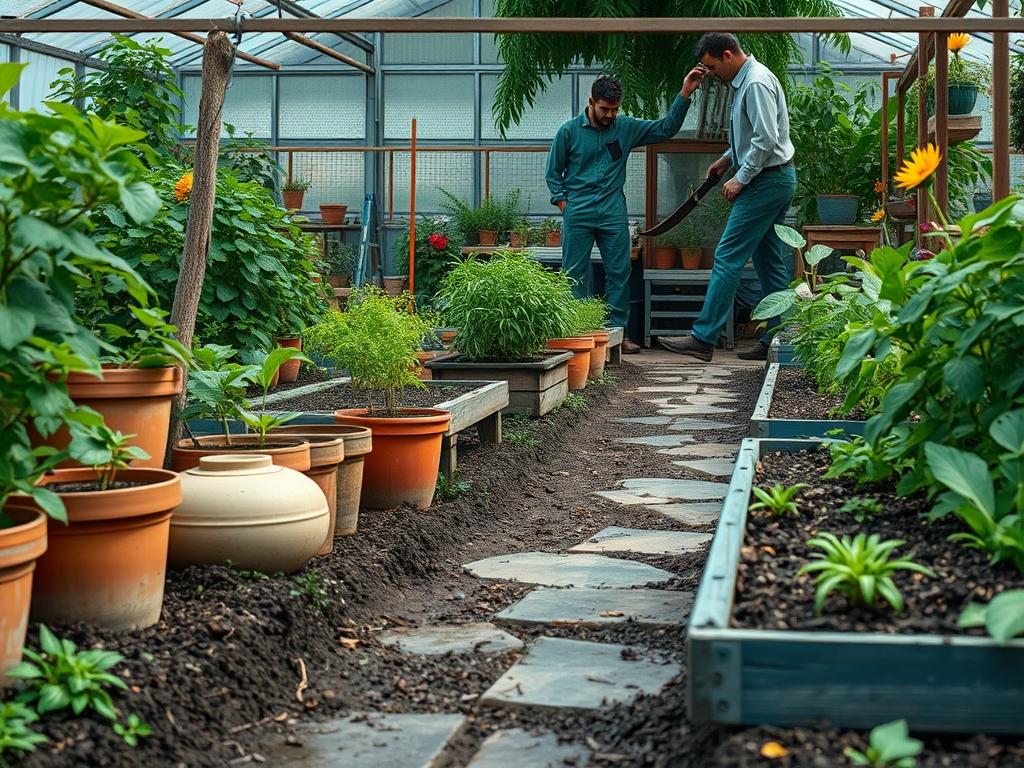
Designing a landscape that balances rugged, weathered aesthetics with modern structural integrity requires a keen understanding of material science and site conditions. Rustic landscape accents, when deployed with precision, serve as the bridge between the untamed natural world and the curated residential environment. Many homeowners and developers struggle with the transition between formal architecture and the organic sprawl of the outer property. The primary challenge lies in selecting accents that appear aged and timeless without compromising the functional goals of the space, such as effective drainage and high curb appeal. Climate considerations are paramount in this process; a piece of reclaimed timber may endure for decades in a dry Mediterranean climate, yet it might succumb to fungal pathogens within a few seasons in the humid Southeast. By prioritizing durability and professional placement, these decorative elements can enhance the outdoor living experience while providing necessary structure to the garden.
Architectural Foundations and Design Principles
Successful rustic design relies on the deliberate application of elevation layers and focal points to guide the eye through the environment. While formal gardens often prioritize rigid symmetry, a rustic approach leans toward organic balance. This does not imply randomness; rather, it involves the strategic placement of high-mass objects to create a sense of permanence. For instance, a reclaiming stone trough can serve as a primary focal point, grounding a perennial bed and providing a destination for the viewer. To achieve professional results, a designer must consider the verticality of the site. Using retaining walls constructed from dry-stacked fieldstone or weathered limestone boulders allows for the creation of terraces, which manage soil erosion while adding significant visual depth.
Elevation changes also provide an opportunity to integrate rustic landscape accents that serve a functional purpose. Timber steps made from pressure-treated 6×6 beams can be inset into a slope, providing a transitional walkway that feels integrated into the earth. Behind the scenes, site surveying tools like a transit level are essential to ensure these layers do not disrupt the natural flow of water. Irrigation planning must be meticulously integrated into the design before any heavy accents are placed. Subsurface PVC piping should be routed to avoid large boulders or heavy decorative structures, ensuring that future maintenance does not require the excavation of massive hardscape elements. Visual balance is further realized through the contrast of textures, such as the juxtaposition of jagged slate flakes against the softness of fine-textured ornamental grasses.
Plant and Material Selection for Rustic Environments
Selecting the right biological and mineral components is critical for ensuring the longevity of a rustic theme. The table below outlines several species and materials that complement weathered accents while remaining hardy across various zones.
| Plant Type | Sun Exposure | Soil Needs | Water Demand | Growth Speed | Maintenance Level |
| :— | :— | :— | :— | :— | :— |
| Little Bluestem | Full Sun | Well-Drained | Low | Moderate | Low |
| Oakleaf Hydrangea | Part Shade | Rich, Organic | Moderate | Fast | Medium |
| Creeping Thyme | Full Sun | Sandy/Rocky | Low | Moderate | Low |
| Russian Sage | Full Sun | Poor/Dry | Low | Fast | Low |
| Switchgrass | Full Sun/Part Shade | Adaptable | Low to Moderate | Fast | Low |
| Autumn Joy Sedum | Full Sun | Well-Drained | Low | Moderate | Low |
In addition to plant life, the selection of hardscape materials defines the rustic character. Corten steel is a preferred material for edging and planters because it develops a stable, rust-like oxidation layer that protects the base metal from further corrosion. Crushed granite or decomposed granite provides a permeable surface for walkways, allowing for natural drainage while offering a crunching sound underfoot that enhances the sensory experience of the garden.
Implementation Strategy for Backyard Layouts
The transition from a conceptual plan to a physical landscape requires a rigorous implementation strategy. The first phase is always site grading. Proper grading ensures that water moves away from the home foundation and toward designated swales or French drains. Before any rustic landscape accents are installed, the subgrade must be compacted to prevent the future settling of heavy objects. This is particularly important for large-scale items like granite millstones or iron fire pits, which can tilt or sink if placed on loose soil.
Once the grade is established, the installation of edging begins. Steel or heavy-duty polyethylene edging defines the borders between turf and planting beds, preventing grass encroachment. For a rustic aesthetic, natural stone edging or sunken wood timbers are often preferred. Following the layout, geotextile fabric is laid down in non-planting areas to suppress weeds, followed by the application of mulch or river rock. A mulch depth of three inches is standard for moisture retention, but it must be kept away from the base of trees and shrubs to prevent bark rot. Final hardscaping, such as the placement of reclaimed barn wood benches or wrought iron gates, should be the last step to ensure these pieces are not damaged during the heavy construction and planting phases.
Common Landscaping Failures to Avoid
Even the most well-intended rustic designs can fail if fundamental engineering principles are ignored. One of the most common issues is drainage mistakes. When designers place large decorative boulders or retaining walls without considering hydrostatic pressure, water can pool behind these structures, eventually leading to collapse or soil saturation. Installing perforated drainage pipes and gravel backfill behind any vertical accent is a non-negotiable requirement.
Another frequent error is root overcrowding. Homeowners often plant for immediate visual impact or high curb appeal, ignoring the terminal size of the species. Over time, high-growth trees can disrupt walkways and crack stone accents. Soil compaction is another silent killer in the landscape. Heavy machinery used during the installation of rustic landscape accents can crush the soil structure, eliminating the air pockets necessary for root respiration. To mitigate this, professional contractors use aerators or incorporate organic compost to restore soil tilth after the heavy lifting is complete. Finally, irrigation inefficiencies, such as misaligned sprinkler heads that constantly soak wooden accents, will lead to premature decay and the growth of unsightly algae.
Seasonal Maintenance Protocols
A rustic landscape is designed to age gracefully, but it still requires a disciplined maintenance schedule to prevent it from appearing neglected.
Spring: This is the season for revitalization. Begin by removing winter debris and refreshing mulch layers. Inspect all irrigation lines for leaks caused by freeze-thaw cycles. Prune ornamental grasses, such as Switchgrass, back to several inches above the ground to allow for new growth. Check the stability of stone walkways and reset any pavers that have shifted.
Summer: Focus on moisture management. During periods of high heat, monitor the transpiration rates of new plantings. Check for signs of pests on native shrubs. If you have integrated wooden rustic accents, such as cedar fencing, inspect them for signs of wood-boring insects. Apply a UV-resistant sealer to any non-weathering wood components if you wish to maintain their current hue.
Autumn: Prepare the landscape for dormancy. Rake leaves to prevent them from matting down over groundcovers like Creeping Thyme. This is the ideal time to plant new perennials or bulbs. Evaluate the structural integrity of retaining walls before the ground freezes. Clean out gutters and ensure that downspouts are clear, directing water into the established drainage system.
Winter: Maintenance is minimal but focused on protection. Avoid using harsh de-icing salts near planting beds or sensitive rustic landscape accents, as sodium buildup can be toxic to plants and corrosive to metal. Instead, use sand or potassium chloride based products. Inspect the garden after heavy snowfalls to ensure that the weight of the snow has not snapped the branches of evergreens or damaged delicate garden ornaments.
Professional Landscaping FAQ
How do I prevent rustic wooden accents from rotting?
Ensure all wood in contact with the ground is pressure-treated or naturally rot-resistant, like black locust or cedar. Elevate decorative pieces on a base of crushed gravel to facilitate drainage and prevent direct moisture contact with the soil.
What is the best way to anchor large boulders?
Large stones should be buried roughly one-third of their height into the ground. This “keystone” method ensures the boulder looks like a natural outcropping rather than an object just sitting on the surface, while providing essential structural stability.
Can I use reclaimed metal without it staining my patio?
To prevent rust runoff from Corten steel or antique iron, apply a clear matte sealant. Alternatively, place metal accents in gravel-filled beds rather than on light-colored concrete or natural stone to allow the rust tint to blend into the earth.
How deep should my landscape edging be installed?
A professional edging installation typically requires a depth of four to six inches. This depth is necessary to create a true root barrier that prevents invasive turf grasses from creeping into your ornamental beds and disrupting your mulch.
Why is my rustic stone wall leaning after one winter?
This is likely caused by a lack of a proper compacted gravel base or inadequate drainage behind the wall. When water freezes in the soil, it expands, pushing against the stone. Always install a geotextile-wrapped drain pipe to alleviate this pressure.