
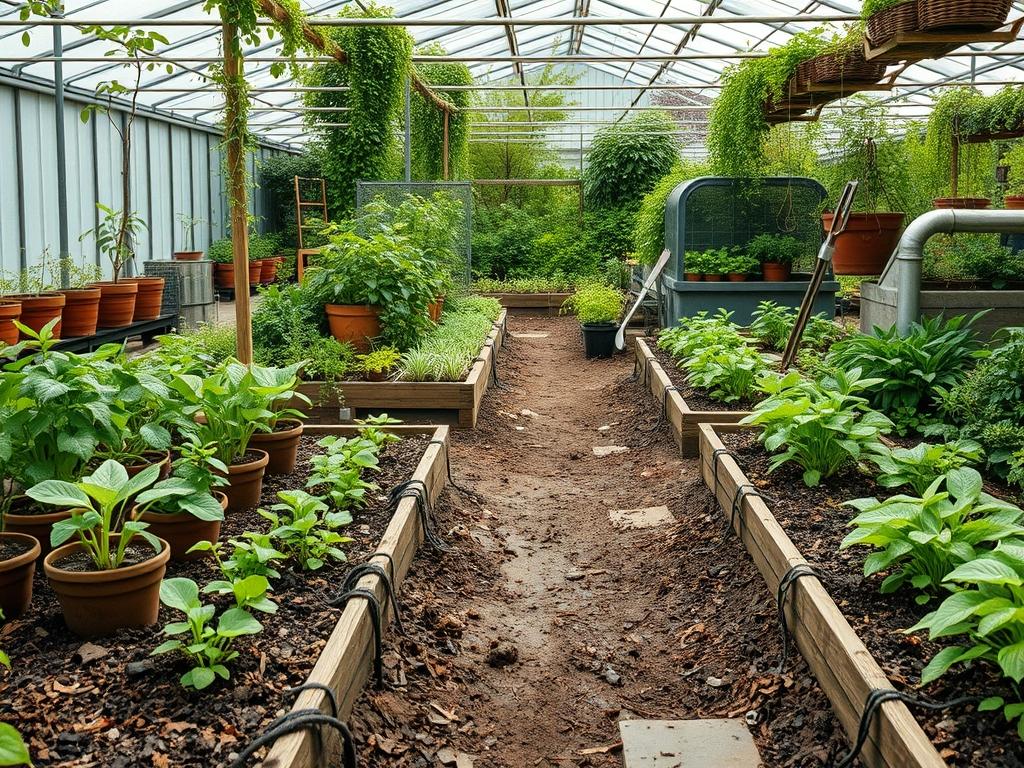
The long term success of a professional landscape design rests not upon the visual arrangement of foliage, but upon the subterranean health of the ecosystem. Most homeowners and commercial property managers view the garden as a static image, yet it is a dynamic biological system that requires consistent inputs to maintain its vitality. Soil amendment schedules represent the most critical component of this management strategy. Without a structured plan to replenish nutrients and correct structural deficiencies in the earth, the most expensive native plants and carefully installed hardscaping will eventually fail. Achieving peak curb appeal and creating functional outdoor spaces depends on understanding that soil is a living, breathing resource that dictates the growth rate, bloom density, and resilience of every species in the garden.
Climate considerations play a massive role in how these schedules are developed. Coastal environments deal with high salinity and sandy compositions that drain too quickly, while inland regions often struggle with heavy clay that suffocates root systems. An effective landscape architect must account for these variables during the planning phase to ensure the site’s elevation and drainage patterns complement the soil’s natural capacity. By integrating a rigorous amendment protocol, you ensure that the investment in your outdoor environment yields a high aesthetic return year after year.
Landscape Design Principles
Successful landscaping is built on a foundation of structural balance and visual hierarchy. Symmetry is often the first principle applied, creating a sense of order that directs the eye toward specific focal points. These focal points may be a large specimen tree, an ornate fountain, or a well-placed retaining wall. To support these visual anchors, the soil must be prepared to handle the specific weight and resource demands of the chosen plants. For instance, a large Oak tree used as a center point will require deep soil aeration and significant organic inputs to establish a healthy root flare in its first three years.
Elevation layers provide depth and interest within the garden. This involves using tiered planters or natural slopes to create a multi-dimensional environment. When planning these layers, the landscape designer must consider the movement of water and nutrients. Nutrient runoff is a common issue in tiered designs; therefore, the soil amendment schedule must be tailored to ensure that upper tiers receive enough localized fertilization while lower tiers are protected from over-concentration. Walkways and paths should also be factored into this balance, as they define the traffic flow and can inadvertently cause soil compaction if the surrounding earth is not properly reinforced with structural amendments like expanded shale.
Visual balance is further enhanced by irrigation planning. A sophisticated landscape requires an irrigation system that delivers water precisely where it is needed. Over-watering can lead to the leaching of essential minerals, making the soil amendment schedule even more vital. By coordinating the timing of nutrient applications with the irrigation cycle, professionals can ensure that fertilizers reach the root zone without washing away into the local watershed.
Plant and Material Selection
Selecting the right materials involves more than just picking beautiful flowers. It requires an analysis of how specific species interact with the local soil chemistry and light levels. The following table outlines standard selections for a diverse landscape.
| Plant Type | Sun Exposure | Soil Needs | Water Demand | Growth Speed | Maintenance Level |
| :— | :— | :— | :— | :— | :— |
| English Lavender | Full Sun | Well-drained, Alkaline | Low | Moderate | Low |
| Japanese Maple | Partial Shade | Slightly Acidic, Loamy | Medium | Slow | Medium |
| Purple Coneflower | Full Sun | Rich, Organic | Medium | Fast | Low |
| Hostas | Full Shade | Moist, Fertile | High | Moderate | Low |
| Kentucky Bluegrass | Full Sun | Neutral, Well-aerated | High | Fast | High |
| Azalea | Partial Shade | Acidic, Well-drained | Medium | Moderate | Medium |
Implementation Strategy
The transition from a design concept to a finished landscape requires a methodical implementation strategy. The process begins with grading. Proper grading ensures that the site has a 2 percent slope away from any permanent structures, preventing water from pooling near the foundation. Once the grade is established, the installation of French drains or catch basins may be necessary to manage heavy rainfall. These drainage solutions are crucial because waterlogged soil prevents the effective uptake of amendments.
After drainage is secured, edging is installed to create clean borders between turf areas and planting beds. Steel edging or poured concrete curbs provide a professional finish and prevent the migration of mulch and soil. When preparing the beds, a rototiller should be used to incorporate organic compost to a depth of 8 inches. This initial amendment sets the stage for the first year of growth.
Mulch depth is another critical factor. Applying 3 inches of shredded hardwood mulch or pine bark helps retain moisture and suppress weeds. As this mulch decomposes, it contributes organic matter back into the soil, acting as a slow-release amendment. For hardscaping elements like patios or walkways, a base of crushed stone and polymeric sand is essential to prevent shifting. By coordinating these physical builds with a nutrient-rich soil preparation, you create a resilient outdoor living space.
Common Landscaping Failures
Many landscaping projects fail due to a lack of attention to soil physics. Soil compaction is perhaps the most frequent culprit. When heavy machinery is used during construction without subsequent aeration, the soil becomes as dense as concrete. This prevents oxygen from reaching the roots and stops water from infiltrating the surface. To fix this, professionals often use core aerators or liquid soil conditioners to break up the crystalline structure of the earth.
Another common mistake is root overcrowding. When plants are spaced too closely for immediate impact, they begin to compete for the same limited pool of nutrients. This competition leads to stunted growth and increased susceptibility to pests. Similarly, improper mulching can kill a tree if the material is piled against the trunk, often called a “mulch volcano.” This traps moisture against the bark and encourages fungal rot.
Irrigation inefficiencies also contribute to failure. If a system is not calibrated to the specific soil type, it can create anaerobic conditions. In heavy clay soils, water sits too long; in sandy soils, it disappears before the plant can use it. Understanding the soil’s percolation rate is mandatory before finalizing any Soil Amendment Schedules. Without this data, you are simply guessing at the needs of the environment.
Seasonal Maintenance
A professional soil amendment schedule must vary with the seasons to mirror the plant’s metabolic needs.
Spring: This is the season of activation. As temperatures rise, the focus is on nitrogen-rich fertilizers to encourage leafy growth. A pH test kit should be used to check the acidity levels. If the soil has become too acidic over the winter, an application of pelletized lime may be required. This is also the best time to apply pre-emergent weed control to prevent dormant seeds from germinating.
Summer: During the heat of the year, the goal shifts to stress management. Avoid high-nitrogen fertilizers which can burn roots in hot weather. Instead, use seaweed extracts or humic acid to improve water retention and heat tolerance. Monitoring mulch levels is essential now to ensure the root zones remain cool.
Autumn: This is the most important season for long term health. Focus on phosphorus and potassium to encourage strong root development before the ground freezes. Applying bone meal or rock phosphate helps plants store energy for the following spring. It is also an ideal time to add a thick layer of leaf mold to the garden beds.
Winter: While the plants are dormant, the soil is still active. Use this time to apply slow-release minerals like greensand or gypsum. These amendments take months to break down and will be available to the plants the moment the ground thaws. Avoid heavy foot traffic on frozen lawn areas to prevent structural damage to the soil.
Professional Landscaping FAQ
How often should I test my soil?
You should conduct a comprehensive soil test every two years. This provides an accurate baseline for nutrient levels and pH. Testing in early spring allows you to adjust your amendment schedule before the primary growing season begins.
What is the best mulch for flower beds?
Triple-ground hardwood mulch is generally superior for nutrient recycling. It stays in place better than light alternatives and breaks down into rich humus. Maintain a depth of 3 inches to ensure optimal moisture retention and effective weed suppression.
Can I over-amend my garden soil?
Yes, excessive application of certain nutrients, especially phosphorus, can become toxic to plants and harm local water sources. Always follow the specific dosages recommended by your soil test results to maintain an ideal chemical balance for your perennials.
Why are my plants turning yellow despite fertilizing?
Yellow leaves, or chlorosis, often indicate a pH imbalance rather than a lack of food. If the soil is too alkaline, plants cannot absorb iron or manganese. Correcting the pH is necessary for the fertilizer to actually become bioavailable.
How do I fix drainage in heavy clay?
The most effective way to improve clay soil is by incorporating organic matter and expanded shale. These materials create macropores that allow water and air to move through the soil profile. Avoid adding sand, which can create a concrete-like consistency.