
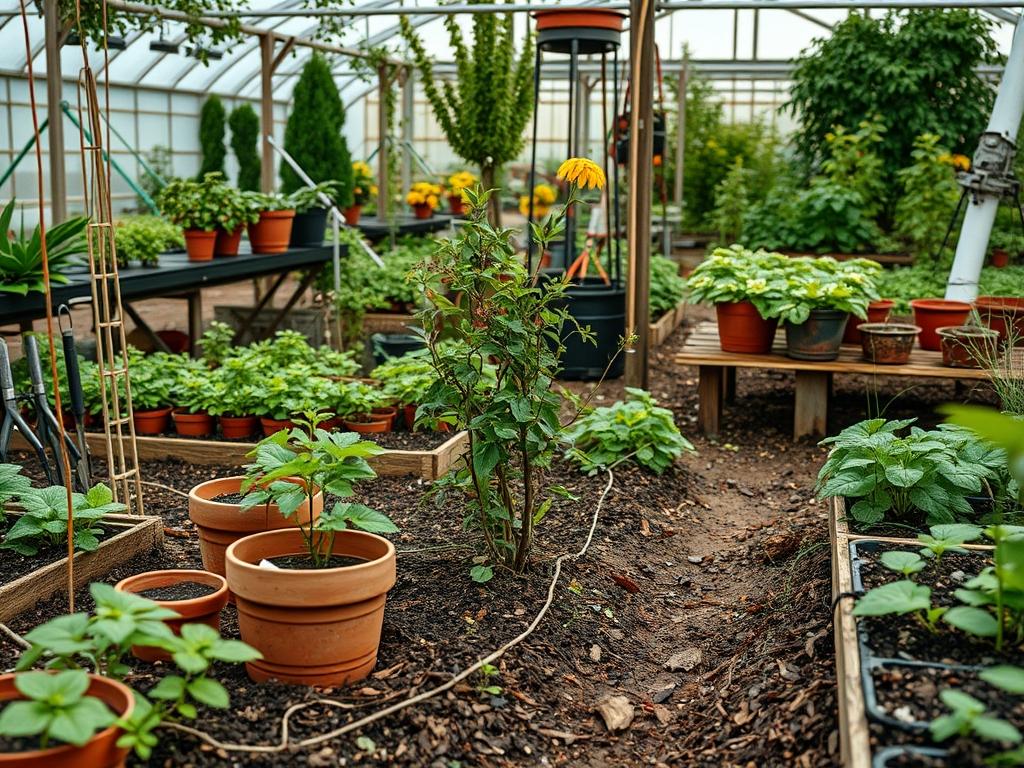
Maintaining a professional landscape requires a sophisticated understanding of biological systems and architectural design. Most homeowners view their outdoor environment as a static collection of plants, but a consultant sees a living investment that fluctuates with the seasons. A well executed landscape plan integrates structural integrity with aesthetic appeal, ensuring that every Bypass Pruner snip serves a long-term goal. The challenge lies in balancing the immediate desire for curb appeal with the physiological needs of the plant life. Without consistent intervention, even the most expensive installs can succumb to overcrowding, disease, or structural failure. We approach the garden as an outdoor room where the walls are living organisms and the ceiling is the sky. Every decision must enhance the functionality of the space while respecting the regional climate and local soil conditions.
Landscape Design Principles
Professional landscaping begins with the concept of visual weight and structural symmetry. We look at the site as a canvas where elevation layers create depth and interest. A standard three tier approach involves groundcovers, mid story shrubs, and a canopy of specimen trees. By using Boxwood or Yew to create formal hedges, we establish a sense of permanence and order. These evergreen structures act as the bones of the garden, providing green color even in the depths of winter. Focal points are essential for directing the eye. A single, well pruned Japanese Maple can serve as a centerpiece that anchors a sprawling lawn.
Symmetry does not always mean a mirror image; rather, it refers to the balance of mass. If a heavy Retaining Wall exists on the left side of a property, the right side may require a dense grouping of Ornamental Grasses to provide a similar visual impact. Walkways act as the circulatory system of the landscape, guiding movement and defining the boundaries of different garden rooms. We often utilize Flagstone or Pavers to create permeable paths that allow water to reach the roots of nearby plants. Irrigation planning must happen concurrently with design. We map out zones based on water demand, ensuring that drought-tolerant natives are not grouped with thirsty tropicals. This zone based approach reduces water waste and prevents root rot.
Plant and Material Selection
Selecting the right material is the difference between a thriving ecosystem and a maintenance nightmare. We prioritize plants that offer multi seasonal interest and have growth habits that fit the allotted space.
| Plant Type | Sun Exposure | Soil Needs | Water Demand | Growth Speed | Maintenance Level |
| :— | :— | :— | :— | :— | :— |
| Arborvitae | Full Sun | Well Drained | Moderate | Fast | Low |
| Hydrangea | Part Shade | Rich/Moist | High | Medium | Moderate |
| Lavender | Full Sun | Sandy/Lean | Low | Medium | High Pruning |
| River Birch | Full/Part Sun | Wet/Acidic | High | Fast | Moderate |
| Coral Bells | Shade | Humus Rich | Moderate | Slow | Low |
| Boxwood | Sun/Shade | Neutral | Moderate | Slow | Professional |
Implementation Strategy
The transition from a design on paper to a physical landscape requires a strict sequence of operations. We start with site grading to ensure that water moves away from the foundation of the home. A Laser Level is often used to calculate a two percent slope, which is the industry standard for effective surface drainage. Once the skeleton of the site is graded, we install hardscaping elements like Natural Stone borders and Decorative Gravel paths. These permanent features define the garden beds before any soil is moved.
Edging is a critical step that many amateurs overlook. A deep, v-cut edge between the lawn and the garden bed prevents grass rhizomes from invading the planting area. For professional Results, we install a Steel Edge or a Polymer Border buried at a 4 inch depth. Before planting, we incorporate Organic Compost into the top 8 inches of soil to improve tilth and nutrient availability. When placing plants, we dig holes twice the width of the root ball but no deeper than the original container. Once the plants are set, we apply a 3 inch layer of Hardwood Mulch. This mulch layer suppresses weeds, regulates soil temperature, and provides a finished appearance. We avoid the common mistake of piling mulch against tree trunks, which can lead to bark decay and insect infestations.
Common Landscaping Failures
The most frequent culprit in landscape degradation is improper drainage. When water pools in low spots, it deprives roots of oxygen; this leads to a condition known as anaerobic soil. Soil compaction is another silent killer, often caused by heavy foot traffic or construction equipment. For these areas, we recommend using an Aerator or incorporating Expanded Shale to open up the soil structure.
Many landscapes fail because of root overcrowding. Owners often plant for the size of the plant at the nursery, forgetting that a 1 gallon shrub may eventually reach a 6 foot spread. This leads to a tangled mess of foliage that blocks airflow and promotes fungal pathogens. Irrigation inefficiencies also plague modern designs. Overwatering is just as damaging as underwatering. We often find that automatic timers are set to run during rainstorms, wasting resources and drowning delicate root systems. Finally, the use of improper Pruning Shears can cause jagged cuts that do not heal properly. A clean cut at a 45 degree angle, just above a lateral bud, is the professional standard for encouraging new growth without inviting disease.
Seasonal Maintenance
Landscape management is a year round commitment that shifts focus as the weather changes. In the spring, our primary objective is dormant pruning and fertilization. We remove dead, damaged, or diseased wood before the sap begins to flow. This is also the time to apply a Pre-emergent Herbicide to prevent crabgrass and other annual weeds from germinating. As the soil warms, we inspect the Drip Irrigation lines for leaks or clogs caused by winter debris.
Summer maintenance centers on water management and deadheading. We monitor soil moisture using a Sensing Probe or a simple finger test. For perennials like Salvia or Coneflower, removing spent blooms encourages a second flush of flowers. During the heat of the summer, we raise the mower deck to a height of 3.5 inches to shade the grass crowns and retain soil moisture.
Autumn is the season for sanitation and structural planning. We rake up fallen leaves to prevent them from smothering the lawn. This is also the best time for planting new trees and shrubs, as the cooler air and warm soil allow roots to establish before the ground freezes. We apply a final application of Slow Release Fertilizer to provide nutrients for winter dormancy.
Winter is the time for structural assessment. With the leaves gone, we can clearly see the branching patterns of deciduous trees. We perform structural pruning on Oak and Maple species to remove crossing branches that might rub together and create wounds. We also wrap the trunks of young trees with Burlap or Tree Guard to protect against sunscald and rodent damage.
Professional Landscaping FAQ
When is the best time for professional pruning?
Generally, late winter or early spring is ideal for most species. Pruning during dormancy allows the plant to heal quickly once the growing season begins. Avoid pruning in late fall, as this can stimulate new growth that will freeze.
How deep should my garden mulch be?
A consistent depth of 2 to 3 inches is the professional recommendation. This thickness is sufficient to suppress weeds and retain moisture without suffocating the roots. Always keep the material pulled back several inches from the base of trunks.
Why are my shrubs dying despite regular watering?
You may be overwatering or dealing with poor drainage. If the soil stays saturated, roots cannot breathe and will eventually rot. Soil compaction or planting too deep are also common causes for the decline of established shrubs.
What tools are essential for landscape maintenance?
A high quality pair of Bypass Pruners, a Lopper for thicker branches, and a Folding Saw are foundational. For soil work, a Steel Spade and a Hard Rake are necessary for maintaining clean edges and level beds.
How do I choose native plants for my region?
Consult your local extension office or a regional plant database. Native species are adapted to local rainfall patterns and soil chemistry. They typically require less fertilizer and are more resistant to local pests than exotic varieties.