
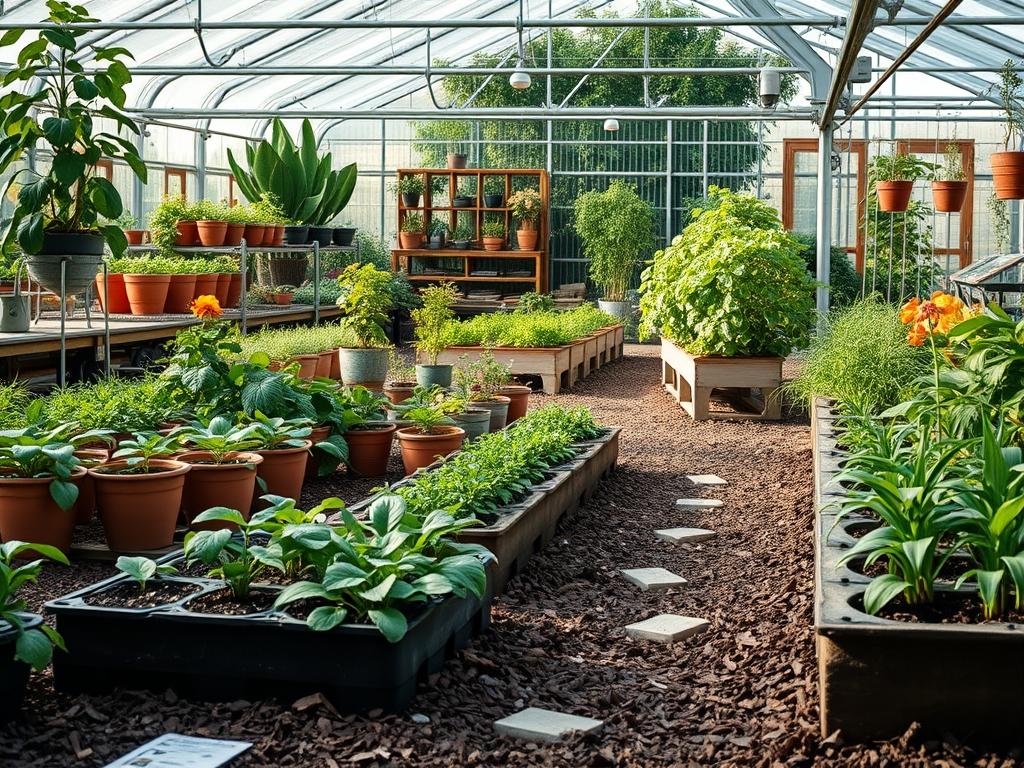
Selecting a perimeter boundary used to be a binary choice between cedar pickets and wrought iron rails. Today, the landscape architect views the property line as a structural opportunity to enhance the microclimate, provide acoustic insulation, and establish a sophisticated aesthetic. Modern fence materials have evolved significantly, moving toward high performance polymers, composite blends, and industrial grade minerals that shrug off the decay common to organic materials. When we plan an outdoor environment, we must evaluate how these modern barriers interact with wind flow, sunlight filtration, and the existing topography. A fence is no longer just a functional necessity for security; it is the architectural backdrop for the entire horticultural program. Choosing the right material requires an understanding of the site’s specific stressors, including salt spray in coastal zones, high UV indices in arid climates, and the freeze-thaw cycles of the north.
Landscape Design Principles
Successful site planning begins with the concept of the outdoor room. In this framework, the fence serves as the primary vertical plane, establishing the scale and privacy level of the space. Symmetry is often used in formal designs where Modern Fence Materials like Laminated Tempered Glass or Laser-Cut Powder-Coated Aluminum provide a clean, repetitive rhythm. However, in more contemporary or naturalistic designs, we often utilize asymmetrical focal points to draw the eye toward specific vistas or specimen trees. The fence should not merely stop the gaze; it should guide it. By utilizing horizontal slatting, a designer can make a narrow lot feel wider through the visual extension of the horizon line.
Elevation layers play a critical role in how a fence sits within the landscape. On sloped lots, we avoid the “stair-step” look when possible by utilizing custom-cut Composite Panels that follow the natural grade of the land. This creates a continuous, flowing line that feels integrated rather than forced. Irrigation planning must also be synchronized with the installation of these barriers. Modern fences often sit on concrete footings that can interfere with existing PVC Pipe networks. We design the landscape so that high-maintenance plantings are kept away from the immediate base of the fence to allow for airflow, while using the fence itself as a support structure for vertical gardens or irrigation driplines. Balancing the “hard” look of a Corten Steel or Gabion Wall with the “soft” texture of ornamental grasses ensures the space feels lived-in and intentional.
Plant and Material Selection
The relationship between the fence material and the surrounding flora is symbiotic. Darker materials like black Composite absorb heat, which can scorch sensitive foliage. Conversely, glass panels can create a greenhouse effect, concentrating light on nearby plants. The following table provides a guide for selecting species that thrive alongside modern boundary solutions.
| Plant Type | Sun Exposure | Soil Needs | Water Demand | Growth Speed | Maintenance Level |
| :— | :— | :— | :— | :— | :— |
| Boxwood (Buxus) | Full Sun to Shade | Well-Drained | Moderate | Slow | Medium |
| Feather Reed Grass | Full Sun | Clay/Loam | Low | Fast | Low |
| Snake Plant | Partial Shade | Sandy/Dry | Very Low | Slow | Very Low |
| Star Jasmine | Full Sun/Part Shade | Loamy/Rich | Moderate | Medium | High |
| Japanese Maple | Filtered Sun | Acidic/Moist | Moderate | Slow | Medium |
| Lavender | Full Sun | Rocky/Alkaline | Low | Medium | Low |
Implementation Strategy
The transition from a blueprint to a finished landscape requires a disciplined sequence of operations. The process begins with professional grading. Before a single post is set, the land must be contoured to ensure that water moves away from the fence line and the home’s foundation. We utilize a Transit Level to determine the exact slope. If a property has significant elevation changes, the installation of Retaining Walls made of Modular Concrete Blocks or Stone Gabions may be necessary before the fencing can be installed. This prevents soil erosion from undermining the footings of your new modern barrier.
Once the grade is established, the layout is marked with Masonry String and Batter Boards. For modern materials like Wood-Plastic Composite (WPC), expansion and contraction rates must be calculated. Unlike traditional wood, these materials can expand significantly in the summer heat; failing to leave a 1/4 inch gap at the joints can lead to warping. After the posts are set in High-Strength Concrete, the edging process begins. We recommend a Steel Edger to create a clean separation between the turf and the plant beds. The depth of the Mulch should be a consistent 3 inches, but it must be kept a few inches away from the fence base to prevent moisture from sitting against the material, which could eventually lead to staining or algae growth on PVC and composite surfaces.
Common Landscaping Failures
The most frequent error in modern installations is the total neglect of drainage. Solid surface fences, such as Vinyl Privacy Panels, act as a dam for surface water runoff. If a yard is not properly graded with a French Drain or a swale, water will pool at the base of the fence, leading to soil compaction and root rot for any nearby vegetation. Soil compaction is a silent killer in new builds; the heavy machinery used to install modern fences crushes the soil structure, leaving it anaerobic. We always recommend tilling the area and adding organic compost after the fence installation is complete to restore soil health.
Root overcrowding is another significant oversight. Homeowners often plant fast-growing privacy hedges too close to a new fence. Over time, the thickening trunks and lateral roots can exert enough pressure to heave the fence posts out of alignment. Furthermore, irrigation inefficiencies occur when spray heads are directed toward the fence rather than the root zone of the plants. Even modern HDPE (High-Density Polyethylene) can develop mineral deposits from hard water spray, which dulls the finish and requires intensive cleaning. Proper spacing and the use of Drip Irrigation systems mitigate these risks.
Seasonal Maintenance
A proactive maintenance schedule preserves both the structural integrity of the fence and the health of the garden. In spring, the focus is on inspection and rejuvenation. Use a Power Washer on a low-pressure setting to remove winter grime from Composite or Vinyl surfaces. Check the tension on any Stainless Steel Cable railings and inspect the soil for washouts. This is also the time to apply a pre-emergent herbicide to the planting beds to prevent weed seeds from taking hold in the fresh Mulch.
During the summer, the priority shifts to hydration and heat management. Monitor the “heat island” effect around dark-colored fences; you may need to increase the frequency of your Irrigation Controller for plants located within three feet of the perimeter. Autumn is the season for structural preparation. Prune back any heavy branches that might fall on the fence during winter storms. Clear leaves from the base of the fence and from the openings of your Drainage Pipes to ensure free water flow. Winter is the time for dormancy and protection. In regions with heavy snow, avoid piling snow against the fence panels, as the weight can cause bowing. Use Burlap Wraps on sensitive evergreens that might be exposed to wind tunnels created by long stretches of solid fencing.
Professional Landscaping FAQ
How do modern fence materials compare to wood in terms of cost?
High-quality Composites and Aluminum have higher upfront costs than pressure-treated lumber. However, the lack of staining, sealing, and repair needs usually makes them more cost-effective over a ten-year lifecycle.
Do I need a concrete footing for every modern fence post?
Yes, most modern materials like Vinyl and Composite lack the natural rigidity of timber. They require deep, bell-shaped concrete footings to resist wind loads and prevent the posts from leaning over time.
Can I grow climbing vines on a composite fence?
It is possible, but we recommend using a standalone Trellis or a Stainless Steel Cable system. Attaching vines directly to the material can trap moisture and make it difficult to clean the panels.
What is the best way to clean mineral deposits off glass fencing?
A solution of white vinegar and distilled water is highly effective. For stubborn spots, a Plastic Scrubber and a mild dish soap will remove deposits without scratching the tempered glass surface.
How does fence height affect my garden’s microclimate?
A tall, solid fence can create a “dead air” zone, increasing humidity and the risk of fungal diseases. Incorporating some Perforated Metal or Louvered Slats allows for necessary air circulation.