
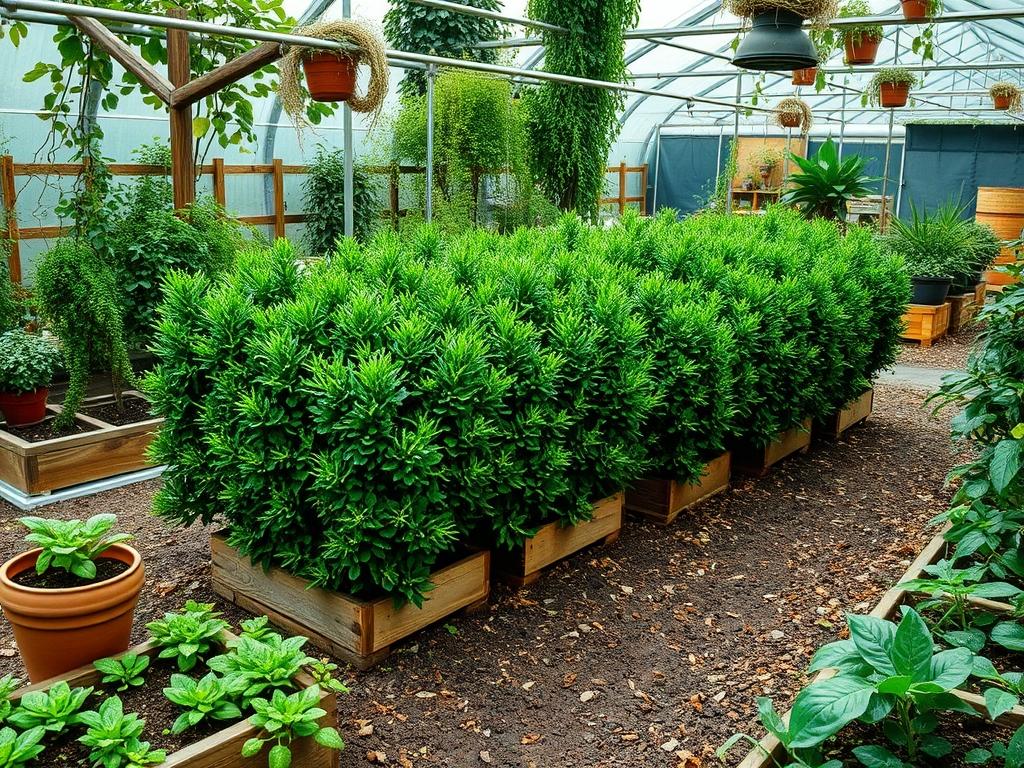
Creating a sophisticated outdoor environment requires more than a simple collection of flora; it demands a structural understanding of how living elements define space. Strategically Placed Hedges function as the living architecture of a high end landscape, providing a framework that manages privacy, noise, and environmental stressors while increasing property value. Unlike static fencing, a well planned hedge evolves with the seasons, offering a dynamic backdrop that enhances the overall aesthetic of a home. When a landscape architect approaches a new project, the primary goal is often to marry form with function. This involves assessing the microclimate of the site, understanding the trajectory of the sun throughout the day, and identifying the specific goals of the homeowner. Whether the objective is to create a secluded sanctuary in a dense urban area or to provide a windbreak for a sprawling suburban estate, the selection and placement of hedging material are critical decisions that dictate the long term success of the garden.
Effective use of Strategically Placed Hedges also addresses the psychological aspects of landscaping. A solid green wall can offer a sense of security and permanence that thin, permeable barriers cannot match. From a curb appeal perspective, hedges soften the hard lines of a residential structure, bridging the gap between the built environment and the natural world. They act as a canvas for other garden features, such as ornamental trees or vibrant perennial borders. By layering height and texture, a designer can guide the eye through the landscape, creating a series of outdoor rooms that encourage exploration and relaxation. The process begins with a rigorous evaluation of the soil quality and existing drainage patterns, as these foundational elements will determine which species will thrive in the specific environment.
Landscape Design Principles
The successful integration of Strategically Placed Hedges relies on a firm grasp of spatial geometry and visual balance. Symmetry is a classic tool used by landscape architects to instill a sense of order and formality. For instance, a pair of identical Boxwood hedges flanking a grand entrance creates an immediate sense of prestige and arrival. Conversely, an asymmetrical arrangement of varying hedge heights can produce a more naturalistic, woodland feel, which is often preferred for contemporary or cottage style gardens. Designers must also consider focal points. A gap in a hedge row can act as a frame for a distant view, a water feature, or a piece of sculpture, effectively turning the landscape into a curated gallery of outdoor experiences.
Elevation layers play a vital role in creating depth within a garden. A common mistake is to plant a single row of uniform height, which can feel flat and uninteresting. Instead, professional designers often utilize the concept of tiered planting. A tall, dense background hedge like Leyland Cypress can serve as the primary screen, while a mid sized hedge of Cherry Laurel provides a middle layer of texture. In the foreground, a low, manicured border of Lavender or Dwarf Boxwood adds a final layer of detail. This approach mimics natural ecosystems and provides multiple levels of visual interest throughout the year.
Walkways and movement through the property should dictate the placement of these living walls. Strategically Placed Hedges can be used to direct traffic flow, keeping guests on designated paths and away from sensitive garden areas. When planning these routes, irrigation must be a primary consideration. Subsurface drip irrigation systems are typically preferred for hedges, as they deliver water directly to the root zone, minimizing evaporation and preventing leaf scald or fungal issues that can occur with overhead watering. Integrating these systems during the initial design phase ensures that the hedges remain healthy and vigorous without the clutter of visible hoses or sprinklers.
Plant and Material Selection
| Plant Type | Sun Exposure | Soil Needs | Water Demand | Growth Speed | Maintenance Level |
| :— | :— | :— | :— | :— | :— |
| Boxwood (Buxus) | Full Sun to Part Shade | Loamy, well-drained | Moderate | Slow | High (Pruning) |
| Arborvitae (Thuja) | Full Sun | Moist, well-drained | Moderate | Medium | Low |
| Privet (Ligustrum) | Full Sun to Part Shade | Adaptable/Tolerant | Low to Moderate | Fast | High (Frequent) |
| Yew (Taxus) | Shade to Part Sun | Well-drained, neutral | Low | Slow | Moderate |
| Cherry Laurel | Part Shade to Shade | Acidic, fertile | Moderate | Medium | Moderate |
| Leyland Cypress | Full Sun | Well-drained, sandy | High | Very Fast | High (Height) |
Implementation Strategy
The process of installing Strategically Placed Hedges begins with precise site preparation. Proper grading is essential to ensure that water moves away from the foundation of the home and does not pool around the roots of the new plants. Once the site is leveled, a professional trencher or a sharp spade is used to create a planting trench rather than individual holes. A continuous trench encourages the roots of the different plants to intertwine, creating a more cohesive and structural wall over time. Before the plants are placed, the soil should be amended with organic compost and a starter fertilizer like bone meal to provide the necessary nutrients for establishment.
When laying out the hedge, using a garden line or a laser level is vital for maintaining a perfectly straight edge. Plants should be spaced according to their mature width, though for an “instant hedge” effect, many professionals space them slightly closer. After the specimens are positioned, the trench is backfilled with amended soil and firmly packed to remove any air pockets that could cause root desiccation. A 2-inch mulch layer of shredded bark or wood chips should then be applied around the base, keeping the mulch a few inches away from the trunk to prevent rot. This layer helps retain moisture, regulates soil temperature, and provides a clean, finished look to the garden bed.
Hardscaping elements, such as retaining walls or brick edging, should be installed prior to planting. These structures provide a clean boundary for the hedge and help define the architectural lines of the landscape. For properties with significant slope, a retaining wall can create a level planting shelf for a hedge, which simplifies both irrigation and future maintenance. Drainage solutions, including French drains or gravel pits, must be integrated if the soil is heavy clay or if the area is prone to saturation, as most hedging species cannot survive “wet feet” for extended periods.
Common Landscaping Failures
One of the most frequent errors in hedge management is improper spacing. Homeowners often desire immediate privacy and plant specimens too close together. While this looks good for the first year, it eventually leads to root overcrowding and competition for resources, which results in “hollowing out” where the interior of the hedge becomes woody and devoid of foliage. Conversely, spacing plants too far apart results in gaps that may never fully close, compromising the functional goals of the screen.
Soil compaction is another silent killer of Strategically Placed Hedges. Large construction projects or heavy foot traffic can compress the soil, squeezing out the oxygen that roots need to respire. Without proper aeration, even the hardiest species will eventually decline and succumb to pests or disease. Additionally, a lack of consistent irrigation during the first two growing seasons can lead to transplant shock. This is especially true for fast growing species like Leyland Cypress, which require significant water to support their rapid biomass production. Finally, many people fail to account for the ultimate height and width of the plants. A hedge that is beautiful at four feet may become a source of conflict with a neighbor or a blockage for a scenic view when it reaches twelve feet.
Seasonal Maintenance
To keep Strategically Placed Hedges looking their best, a seasonal management plan is required. In the spring, the focus should be on fertilization and the first major pruning. Applying a balanced, slow release fertilizer provides the nitrogen required for new growth. High quality bypass pruners or hedge shears should be used to shape the plants before the heat of summer arrives. For formal hedges, it is essential to prune the top slightly narrower than the bottom. This “A shape” ensures that sunlight reaches the lower branches, preventing the bottom of the hedge from becoming sparse.
During the summer, the primary goal is moisture management. In periods of extreme heat, even established hedges may require supplemental deep watering. Monitoring for pests like spider mites or aphids is also critical during these months. Autumn is the time for cleanup and preparation. Removing fallen leaves from the base of the hedge prevents fungal spores from overwintering. This is also the best time to refresh the mulch layer to insulate the roots against the coming freeze. In winter, maintenance is minimal, but structural protection is key. For areas with heavy snowfall, knocking snow off the branches of evergreen hedges like Arborvitae can prevent limbs from splaying or breaking under the weight.
Professional Landscaping FAQ
How far apart should I space my hedge plants?
Spacing depends on the species and desired density. Generally, smaller plants like Boxwood should be 12 to 18 inches apart, while larger evergreens like Arborvitae require 24 to 36 inches to allow for healthy root and canopy development.
Can I grow a privacy hedge in full shade?
Yes, though species options are more limited. Yew and Cherry Laurel are excellent choices for shaded areas. They maintain dense foliage even without direct sunlight, making them ideal for north facing walls or under the canopy of large trees.
How often should a formal hedge be pruned?
Formal, structured hedges typically require two to three trimmings per year. The primary prune occurs in late spring after the first flush of growth, with lighter maintenance trims in mid summer and early autumn to maintain the crisp, geometric lines.
What is the best way to fix a gap in my hedge?
Gaps can often be closed by “training” nearby branches using soft ties to pull them into the empty space. If the gap is due to a dead plant, replace it with a specimen of the same size and age for uniformity.
Do hedges require special fertilizer?
Most hedges thrive with a general 10-10-10 slow release fertilizer. However, acid loving plants like Holly or Cherry Laurel may benefit from specialized formulas that lower the soil pH. Always conduct a soil test before applying heavy amendments.