
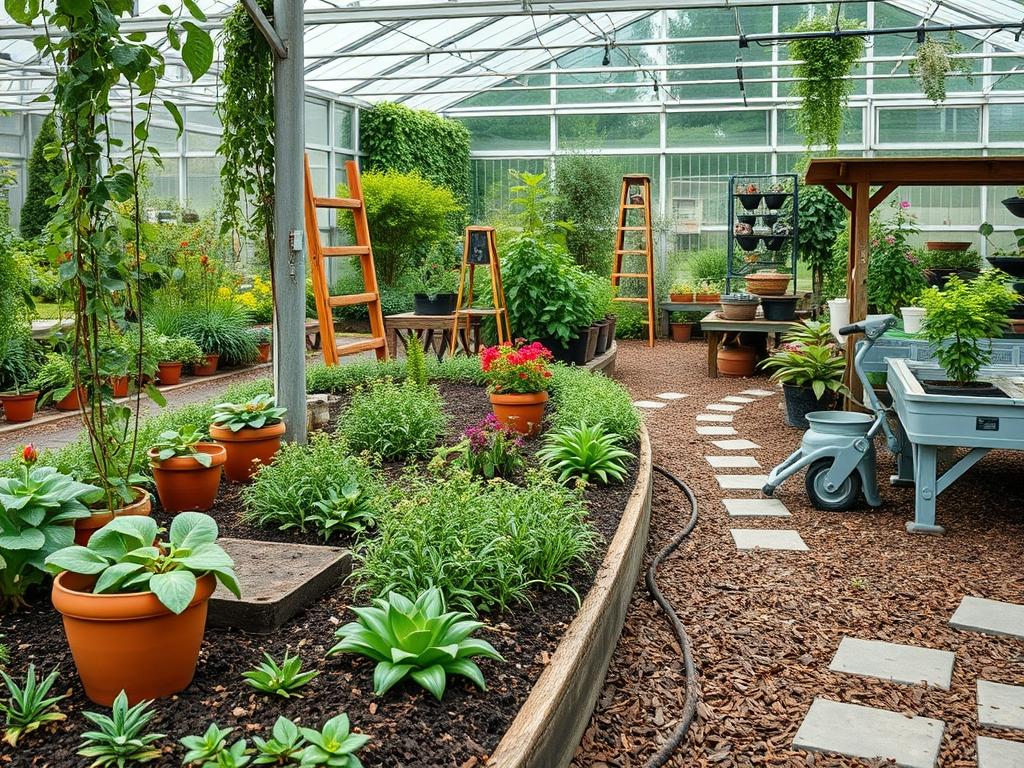
Managing a professional landscape requires more than just an intuitive sense of aesthetics; it demands a rigorous understanding of site-specific variables and plant biology. The perennial border serves as the architectural backbone of many high-end residential properties, offering a permanent structure that evolves with the seasons while maximizing curb appeal. However, the most frequent challenge for homeowners and developers alike is the maintenance trap. A poorly conceived Perennial Border Design can quickly transition from a lush asset to a labor-intensive liability if the initial planning ignores local microclimates, drainage patterns, and the long-term growth habits of the selected species. By focusing on structural integrity and ecological synergy, we can create outdoor environments that provide high visual impact with minimal intervention.
Landscape Design Principles
Effective design begins with the concept of elevation layering, which ensures that every plant is visible and receives adequate light. We typically employ a three-tier system: the structural background, the seasonal mid-story, and the ground-level transition. The structural background involves taller species or Evergreens that provide a green wall effect and maintain winter interest. In front of this, the mid-story anchors the color palette, while the foreground utilizes low-growing varieties to soften the transition to Walkways or lawns. This layering does more than just look good; it creates a dense canopy that naturally suppresses weed growth by limiting the sunlight reaching the soil surface.
Symmetry and focal points are the next hurdles in a professional layout. While a perfectly symmetrical garden offers a formal, stately feel, many modern landscapes prefer an asymmetrical balance that feels more organic. A well-placed Stone Pillar, a sculptural Japanese Maple, or a large Granite Boulder can act as a focal point that draws the eye and provides a sense of permanence. Integration of Irrigation Planning is equally vital during this phase. We design zones based on hydrozoning principles, grouping plants with identical water requirements together to prevent over-saturation of drought-tolerant species. This technical foresight ensures that the Irrigation System delivers water directly to the Root Zone, reducing evaporation and fungal diseases.
Plant and Material Selection
Selecting the right materials involves a balance of soil science and horticultural knowledge. We prioritize Native Plants because they are evolutionarily adapted to the local rainfall and soil pH, which significantly lowers the need for chemical fertilizers and supplemental watering. The following table provides a reference for a high-performing, low-maintenance palette suitable for temperate zones.
| Plant Type | Sun Exposure | Soil Needs | Water Demand | Growth Speed | Maintenance Level |
| :— | :— | :— | :— | :— | :— |
| Purple Coneflower | Full Sun | Well-drained | Low | Moderate | Low |
| Russian Sage | Full Sun | Lean/Dry | Very Low | Fast | Minimal |
| Hosta ‘Halcyon’ | Partial Shade | Rich/Moist | Moderate | Slow | Low |
| Little Bluestem | Full Sun | Any/Sandy | Low | Moderate | Very Low |
| Autumn Joy Sedum | Full Sun | Well-drained | Low | Moderate | Minimal |
| Catmint ‘Walker’s Low’ | Full Sun/Part | Average | Low | Fast | Low |
Implementation Strategy
The transition from a blueprint to a physical garden requires precise execution of the site’s topography. The first step in any Perennial Border Design is comprehensive Grading. We must ensure that the soil slopes away from the home’s foundation at a minimum of a 2 percent grade to facilitate proper Drainage. Once the grade is established, we define the borders using Professional Grade Steel Edging or Paver Restraints. This creates a crisp, permanent line that prevents turf grass from creeping into the planting beds, which is the single most common cause of maintenance frustration.
After the Hardscaping and edging are in place, soil amendment is necessary. We typically incorporate 3 inches of organic compost into the top 8 inches of existing soil to improve porosity. When the plants are installed, they should be placed at the same depth they were in their nursery pots. Immediately following installation, a layer of Hardwood Mulch or Pine Bark should be applied at a depth of 2 to 3 inches. This mulch layer is critical for moisture retention and temperature regulation. It also breaks down over time to further enrich the soil profile, reducing the need for synthetic inputs. For larger beds, we often install a Drip Irrigation line beneath the mulch to ensure efficient water delivery during the first two growing seasons while the plants are becoming established.
Common Landscaping Failures
Failure in a landscape often surfaces two or three years after installation. One of the primary culprits is improper spacing. It is tempting to plant the border thickly to achieve an “instant” garden look, but this leads to Root Overcrowding and poor air circulation. When plants are too close, they compete for nutrients and become susceptible to powdery mildew and pests. A professional architect always designs for the “mature width” of the species, not the size of the plant at the time of purchase.
Another frequent error is neglecting Soil Compaction. During construction, heavy machinery can crush the soil structure, leaving it as hard as concrete. If you plant directly into compacted soil, the roots will suffocate and water will pool on the surface, regardless of how much you spend on high-quality plants. To fix this, we use a Power Auger or Spade to deeply fracture the subsoil before adding amendments. Finally, poor Drainage planning can result in “wet feet” for species that require dry conditions. Without a French Drain or specialized Sump System in low-lying areas, many perennials will suffer from root rot within their first season.
Seasonal Maintenance
A low-maintenance garden does not mean a “no-maintenance” garden. In the Spring, the focus is on cleanup and rejuvenation. This is the time to remove any dead foliage from the previous year using Hand Pruners and to apply a fresh 1 inch top-dressing of mulch if the previous layer has thinned. It is also the ideal window to divide any perennials that have become too large for their space, such as Daylilies or Ornamental Grasses.
As we move into Summer, the priority shifts to Irrigation monitoring and deadheading. Removing spent blooms from plants like Salvia or Coreopsis encourages a second flush of flowers and prevents the plant from wasting energy on seed production. During the Autumn months, we recommend leaving some seed heads intact to provide food for local bird populations and to add structural interest during the frost. Finally, in Winter, the landscape is evaluated for its “bones.” We inspect Retaining Walls for shifts caused by freeze-thaw cycles and ensure that any delicate shrubs are protected from heavy snow loads or road salt.
Professional Landscaping FAQ
What is the best mulch for a perennial border?
A double-shredded Hardwood Mulch is the industry standard. It stays in place better than chips, suppresses weeds effectively, and decomposes into a rich soil amendment over time. Avoid dyed mulches, as they can sometimes contain chemicals harmful to soil microbes.
How often should I water established perennials?
Once established, most perennials in a well-designed Perennial Border Design only need deep watering once a week during peak summer heat. It is better to water deeply and infrequently to encourage roots to grow further down into the cool, moist subsoil.
Can I build a border on a slope?
Yes, but it requires Terracing or a Retaining Wall. Slopes are prone to erosion and rapid water runoff. Using a Tiered System allows water to soak in properly and provides level planting pockets for your perennials to thrive.
Why are my plants dying despite regular watering?
This is often caused by Soil Compaction or poor Drainage. If the water cannot move through the soil, it sits around the roots and deprives them of oxygen. You may need to incorporate Perlite or Grit to improve the soil structure.
How do I prevent weeds without using chemicals?
The most effective method is “dense planting” combined with a consistent 3 inch layer of mulch. By selecting Groundcovers like Creeping Thyme or Stonecrop, you create a living mulch that prevents weed seeds from ever reaching the soil.