
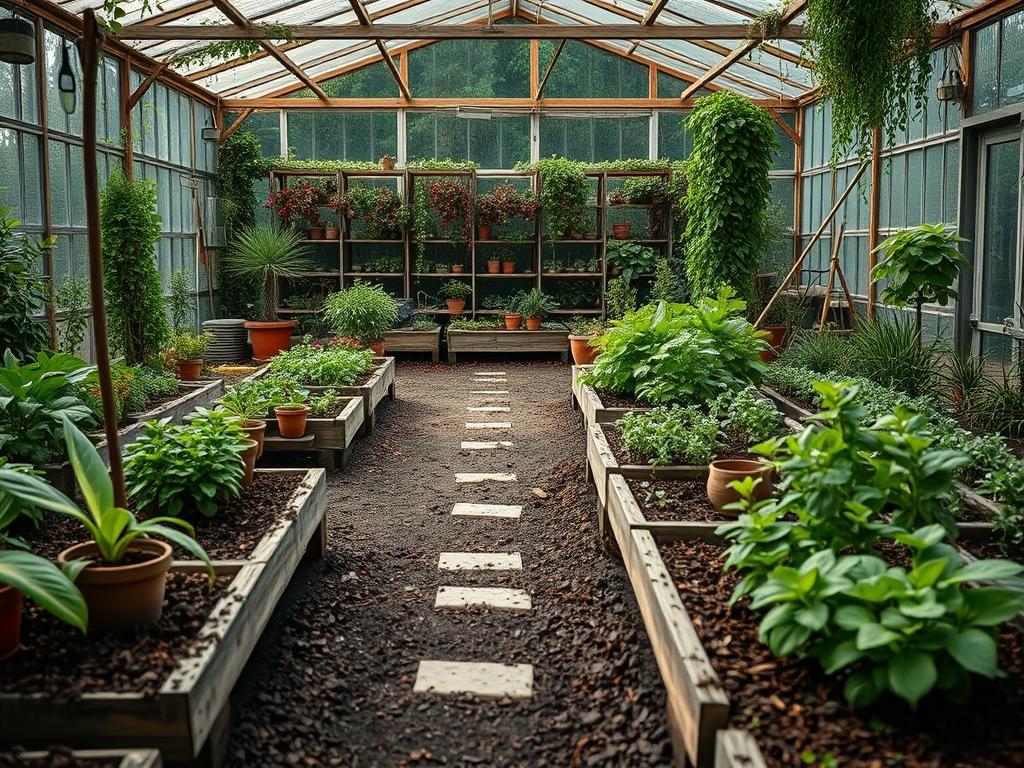
The Mediterranean landscape style offers a sophisticated solution for homeowners seeking to balance aesthetic beauty with environmental responsibility. This design philosophy originates from the coastal regions of Italy, Greece, and Spain, where the climate demands resilience against heat and a strategic approach to water conservation. By adopting this style, you transform a standard backyard into a structured, sensory-rich environment that emphasizes texture, scent, and natural materials. The primary challenge for any designer is reconciling these traditional techniques with local soil conditions and microclimates. When executed correctly, a Mediterranean garden drastically improves curb appeal and creates a functional outdoor living space that requires significantly less irrigation than a traditional lawn.
Understanding the relationship between the built environment and the natural flora is essential to this approach. We often see homeowners attempting to force lush, water-heavy tropicals into a Mediterranean layout, which inevitably leads to high maintenance costs and poor plant health. Instead, a successful installation relies on selecting species that thrive in well-drained soil and intense sunlight. Beyond the botanical elements, the Mediterranean style incorporates hardscaping as a primary structural component. This reduces the overall footprint of water-consuming turf while provided a stable foundation for outdoor furniture, dining areas, and decorative features. By focusing on the interplay between stone, water, and drought-resistant foliage, you can create a landscape that feels established and timeless from the moment the last stone is laid.
Landscape Design Principles
Symmetry serves as the backbone of the Mediterranean landscape style, though it is often softened by the organic growth habits of the plants. Central axes are commonly defined by crushed gravel paths or flagstone walkways that lead the eye toward a primary focal point. This focal point might be a tiered terracotta fountain, a large ceramic urn, or a structural tree like an Olea europaea. In Mediterranean design, the use of verticality is paramount. We utilize elevation layers to create depth, often employing limestone retaining walls or raised planters to manage slopes and define different outdoor “rooms.”
Irrigation planning must be integrated into the design phase rather than added as an afterthought. Because the Mediterranean style relies on plants that dislike wet foliage, a drip irrigation system is the preferred method of water delivery. This system places water directly at the root zone, reducing evaporation and preventing the fungal issues common in overhead watering. Walkways also play a functional role in drainage. By using permeable materials like decomposed granite or loose river rock, you allow rainwater to infiltrate the ground rather than pooling on the surface. Visual balance is achieved by pairing the heavy, static nature of stone with the soft, silver-green hues of Mediterranean foliage. The goal is to create a space that feels cool and refreshing, even in the height of summer, through the strategic use of shade structures and the psychological cooling effect of moving water.
Plant and Material Selection
The following table outlines the foundational species used to establish the Mediterranean landscape style. These plants are selected for their hardiness and visual compatibility.
| Plant Type | Sun Exposure | Soil Needs | Water Demand | Growth Speed | Maintenance Level |
| :— | :— | :— | :— | :— | :— |
| Lavandula angustifolia | Full Sun | Sandy/Gravelly | Low | Moderate | Moderate (Pruning) |
| Rosmarinus officinalis | Full Sun | Well-drained | Very Low | Fast | Low |
| Cupressus sempervirens | Full Sun | Adaptable/Dry | Low | Moderate | Low |
| Olea europaea | Full Sun | Loamy/Dry | Very Low | Slow | Low |
| Perovskia atriplicifolia | Full Sun | Poor/Alkaline | Low | Fast | Moderate (Seasonal cutback) |
| Salvia rosmarinus | Full Sun | Sandy/Gritty | Very Low | Moderate | Low |
| Bougainvillea | Full Sun | Well-drained | Moderate | Fast | High (Support required) |
In addition to plants, the selection of hardscape materials defines the regional character of the garden. Tumbled travertine or sandstone pavers provide a warm, neutral palette that reflects sunlight without creating excessive glare. For mulching, we move away from wood-based products and toward inorganic options. A 2 inch layer of pea gravel or crushed stone helps regulate soil temperature and prevents crown rot in sensitive herbs like Lavender.
Implementation Strategy
The implementation of a Mediterranean garden begins with rigorous site preparation. First, you must evaluate the existing grade of your backyard. Proper grading ensures that water moves away from the foundation of your home and toward designated drainage areas or rain gardens. Use a laser level and string lines to establish consistent slopes. Once the grade is set, the installation of hardscaping should take priority over planting. Construct your retaining walls and patios first to avoid damaging young plants later.
When preparing the planting beds, Mediterranean species require a specific soil structure. Many of these plants are native to rocky, nutrient-poor soils. If your backyard consists of heavy clay, you must amend the soil with coarse sand and small gravel to increase porosity. Avoid over-fertilizing with high-nitrogen products, as this can lead to leggy, weak growth that is susceptible to pests. When planting, ensure the crown of the plant is slightly above the soil line to prevent moisture from settling against the stem. Finish the beds with a 3 inch depth of inorganic mulch such as volcanic rock or river pebbles. This creates the clean, crisp aesthetic characteristic of the Mediterranean style while providing the necessary drainage.
Common Landscaping Failures
The most frequent error in Mediterranean landscaping is the failure to address soil compaction. In new developments, heavy machinery often packs the earth so tightly that roots cannot penetrate and water cannot drain. This leads to root rot (Phytophthora), which can kill even the hardiest Olive tree. Before planting, use a power tiller or broadfork to break up the subsoil at least 12 inches deep.
Another common mistake is improper spacing. Homeowners often plant for immediate impact, placing Italian Cypress or Rosemary too close together. Within three years, these plants will compete for nutrients and airflow, leading to thin foliage and disease. Always research the mature width of your species and use a measuring tape to ensure adequate room for growth. Furthermore, irrigation inefficiencies often plague these designs. Installing a Mediterranean garden on the same irrigation zone as a traditional lawn will result in overwatering. Mediterranean plants require deep, infrequent watering cycles to encourage deep root systems, whereas lawns require frequent, shallow watering. Separation of zones is non-negotiable for long term success.
Seasonal Maintenance
Seasonal care for a Mediterranean garden differs from traditional temperate gardening. In the spring, the focus is on light pruning and refreshing the hardscape. Use bypass pruners to remove any winter dieback from Lavender and Sage. This is also the time to check your drip emitters for clogs and ensure the irrigation controller is set for the increasing temperatures.
Summer maintenance involves monitoring for heat stress and managing weeds that may emerge through the gravel mulch. While Mediterranean plants are drought-tolerant, newly installed specimens may require supplemental water during their first two summers. In autumn, focus on cleaning up fallen debris and pruning structural trees. It is important not to prune too late in the season, as new growth may be damaged by early frosts. Use loppers to thin out the interior branches of Olive trees to allow light and air to reach the center of the canopy. During winter, protect sensitive species like Citrus or Bougainvillea with frost blankets if temperatures are expected to drop below freezing for extended periods. This cycle of minimal but targeted intervention keeps the landscape looking professional year round.
Professional Landscaping FAQ
How do I convert my grass lawn to a Mediterranean style?
Begin by removing the existing turf using a sod cutter. Amend the soil with gypsum and sand to improve drainage. Lay down landscape fabric only under paths, using gravel and drought-tolerant plantings for the main beds.
Can Mediterranean plants survive in clay soil?
Only if the soil is heavily amended. You must incorporate expanded shale or crushed stone to a depth of 18 inches. Alternatively, use raised limestone planters to elevate the root systems above the heavy, moisture-retaining clay.
What is the best mulch for a Mediterranean garden?
Inorganic mulches like decomposed granite, pea gravel, or crushed seashells are best. They reflect heat and do not hold moisture against the plant stems, which prevents the fungal diseases common with wood bark mulches.
How often should I water established Mediterranean plants?
Once established, most Mediterranean species only require deep watering once every 10 to 14 days during peak summer. In the winter, natural rainfall is usually sufficient. Always check the soil moisture levels 4 inches below the surface.
What are the best focal points for this style?
Effective focal points include large terracotta pots, stone water basins, or wrought iron benches. For biological focal points, use a multi-trunk Olea europaea or a cluster of tall, columnar Cupressus sempervirens to create vertical interest and architectural structure.