
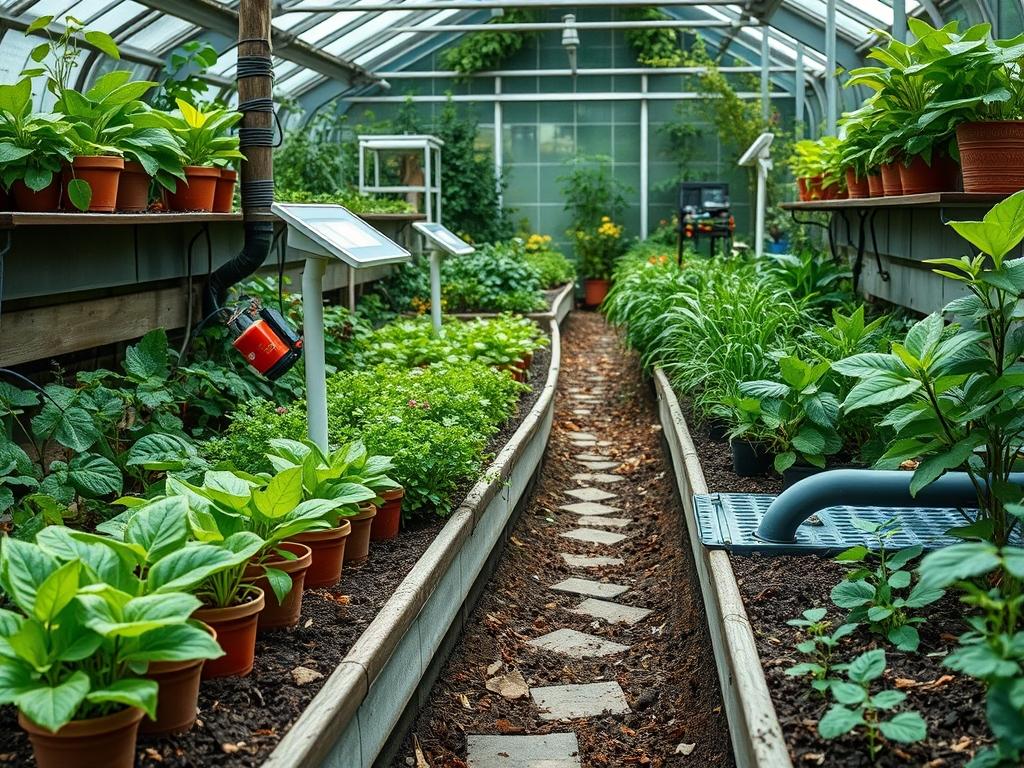
Modern landscape design requires a holistic approach that balances aesthetic appeal with operational efficiency. When integrating Solar Gutter Lighting into a comprehensive site plan, the architect must look beyond the simple utility of illumination. This specific lighting strategy addresses the vertical dimension of the outdoor environment, bridging the gap between the high roofline of the residence and the low-profile softscape below. Climate considerations play a pivotal role in this selection; for instance, areas prone to heavy snowfall require specific mounting angles to ensure the solar panels remain unobstructed. Furthermore, the goal is to enhance curb appeal by highlighting the architectural texture of the home while simultaneously improving safety for nighttime navigation. By leveraging sustainable energy, property owners can achieve a sophisticated lighting scheme that does not rely on invasive trenching for electrical conduits, preserving the integrity of established root systems and delicate soil structures.
As a senior consultant, I frequently encounter homeowners who focus entirely on ground-level features while neglecting the “shadow zones” created by the building’s envelope. Effectively placed Solar Gutter Lighting eliminates these dark pockets, providing a subtle wash of light that descends onto foundation plantings and walkways. This creates a layered lighting effect that is essential for high-end residential design. It is not merely about brightness; it is about the intentional direction of photons to reveal the depth, form, and texture of the landscape during the twilight hours. Properly executed, this approach enhances the functionality of outdoor living spaces and ensures that the transition from day to night is seamless and visually compelling.
Landscape Design Principles
In the realm of landscape architecture, symmetry and visual balance serve as the foundation for any successful project. When installing Solar Gutter Lighting, it is vital to align the fixtures with the structural rhythm of the home, such as the placement of windows, pillars, or gables. This creates a sense of order that guides the eye across the facade. Focal points, such as a signature deciduous tree or a custom retaining wall, should be enhanced by the secondary glow from the gutters. The light should serve to frame these elements rather than compete with them for attention.
Elevation layers are another critical consideration. A well-designed garden incorporates many height tiers, from ground furniture to mid-level shrubbery and high-canopy trees. Gutter lighting acts as the highest tier of the illumination plan. This downward-facing light source mimics natural moonlight, which is much more pleasing to the human eye than the harsh upward glare of traditional spotlights. To achieve optimal visual balance, ensure the spacing between each solar light is consistent, typically every 5 feet to 8 feet, depending on the lumen output of the specific model. Furthermore, irrigation planning must account for these fixtures; while solar lights are generally weather-resistant, they should not be placed directly under a heavy runoff point where a clogged gutter could cause localized flooding or debris buildup on the solar cells.
Plant and Material Selection
The following table outlines plant species and materials that interact beautifully with the down-lighting effect provided by gutter-mounted fixtures. Choosing the right textures is essential for maximizing the visual impact of your light spill.
| Plant Type | Sun Exposure | Soil Needs | Water Demand | Growth Speed | Maintenance Level |
| :— | :— | :— | :— | :— | :— |
| Boxwood (Buxus) | Full Sun to Partial Shade | Well-Drained | Moderate | Slow | Low to Medium |
| Lavender (Lavandula) | Full Sun | Sandy/Gravelly | Low | Moderate | Low |
| Hosta (Hosta spp.) | Shade to Partial Shade | Rich/Moist | Moderate | Moderate | Low |
| Creeping Phlox | Full Sun | Well-Drained | Low | Fast | Low |
| Red Sprite Winterberry | Full Sun to Partial Shade | Acidic/Moist | High | Slow | Medium |
| Ornamental Grass | Full Sun | Adaptable | Low to Moderate | Fast | Low |
In addition to plant life, material selection for the ground plane is crucial. Using a light-colored limestone mulch or a fine-textured pea gravel beneath the gutters can help reflect the light upward, creating a soft ambient glow. Conversely, dark hardwood mulch will absorb the light, which is preferable if you desire a high-contrast, moody aesthetic.
Implementation Strategy
The successful installation of a garden layout involving Solar Gutter Lighting begins with precise site grading. Ensure that the soil surrounding the foundation slopes away from the residence at a minimum of 2 percent grade to prevent water from pooling near the structure. Once the grading is finalized, use a measuring tape to mark the locations for both your lights and your primary plantings. Utilizing steel edging or composite bender board helps define the transition between lawn and garden beds, creating the clean lines necessary for a professional finish.
When mounting the lights, use a power drill and stainless steel screws if the manufacturer’s brackets allow for a permanent fix. If you are using clip-on models, ensure they are secured to the sturdiest part of the gutter lip. After the hardware is in place, focus on the ground-level implementation. Lay down a weed barrier fabric followed by a 3-inch layer of mulch. This depth is critical for moisture retention and weed suppression but should be kept a few inches away from the trunks of native plants to prevent rot. If your plan includes a retaining wall, ensure the lighting illuminates the texture of the stone, providing a safe visual marker for changes in elevation.
Common Landscaping Failures
One of the most frequent errors in garden planning is the neglect of proper drainage. When gutters are used as a mounting point for lighting, owners often forget to inspect the downspout efficiency. If water overflows due to a blockage, it can wash away expensive mulch and expose the root balls of your plants. Another common failure is root overcrowding. It is tempting to plant for “instant impact,” but failing to account for the mature spread of a Boxwood or Ornamental Grass will lead to a choked landscape that requires constant, aggressive pruning.
Soil compaction is another silent killer in new installations. Heavy foot traffic during the installation of gutter lights can compress the soil, removing the air pockets necessary for root respiration. To fix this, use a garden fork to aerate the soil before laying down your plants. Finally, irrigation inefficiencies occur when automated systems are not adjusted for the specific water demands of each zone. Ensure that your hydrozones are grouped correctly, placing low-water plants like Lavender in different zones than high-water species like Winterberry.
Seasonal Maintenance
Spring is the time for renewal; inspect your Solar Gutter Lighting for any damage sustained during the winter months. Wipe the solar panels with a soft, damp cloth to remove accumulated pollen and dust, ensuring maximum charging efficiency. Prune any overhanging branches that may have grown to shade the solar collectors.
During the summer, focus on irrigation. The high heat can stress plants, so check your mulch depth to ensure it is still providing adequate insulation for the roots. It is also the season to monitor the battery performance of your lights, as the long days provide ample charging time, but high temperatures can sometimes affect battery longevity.
Autumn requires a focus on debris management. As leaves fall, they can clog the gutters and cover the solar lights. Regularly clear the roofline to prevent fire hazards and to keep your lighting system functional. This is also the ideal time to plant new native plants while the soil is still warm but the air is cool.
Winter maintenance is largely about protection. In colder climates, ensure that ice dams do not form around your light fixtures. If a heavy snowstorm occurs, use a broom to gently clear the panels. Check the stability of all mounting brackets, as the freeze and thaw cycle can loosen screws and clips over time.
Professional Landscaping FAQ
How does solar lighting affect plant growth cycles?
Most solar lights emit low-intensity light that does not significantly disrupt the photoperiodism of plants. Since the illumination is downward-facing, it mimics natural moonlight, allowing native plants to follow their standard nocturnal biological processes without interference.
Can I install gutter lights on any material?
Most fixtures are designed for standard aluminum K-style gutters. However, if your home features copper or wood gutters, ensure the mounting brackets are compatible. Use galvanized hardware to prevent galvanic corrosion when mixing different types of metals.
What is the best way to prevent soil erosion under gutters?
Install a splash block or a decorative stone swale directly beneath the downspouts. Combining this with a sturdy edging material and deep-rooted Ornamental Grasses helps stabilize the soil and prevent runoff from damaging your landscape design.
Do solar gutter lights require direct sunlight to function?
While direct sunlight is ideal for a full charge, most modern solar panels can collect energy during overcast days. To ensure consistent performance, place lights on the south-facing side of the home where they receive at least 6 hours of daylight.
How many lumens are needed for effective gutter lighting?
For aesthetic accent lighting, a range of 20 to 50 lumens per fixture is sufficient. If the goal is security or path illumination, look for high-output models that provide 100 lumens or more to ensure the light reaches the ground clearly.