
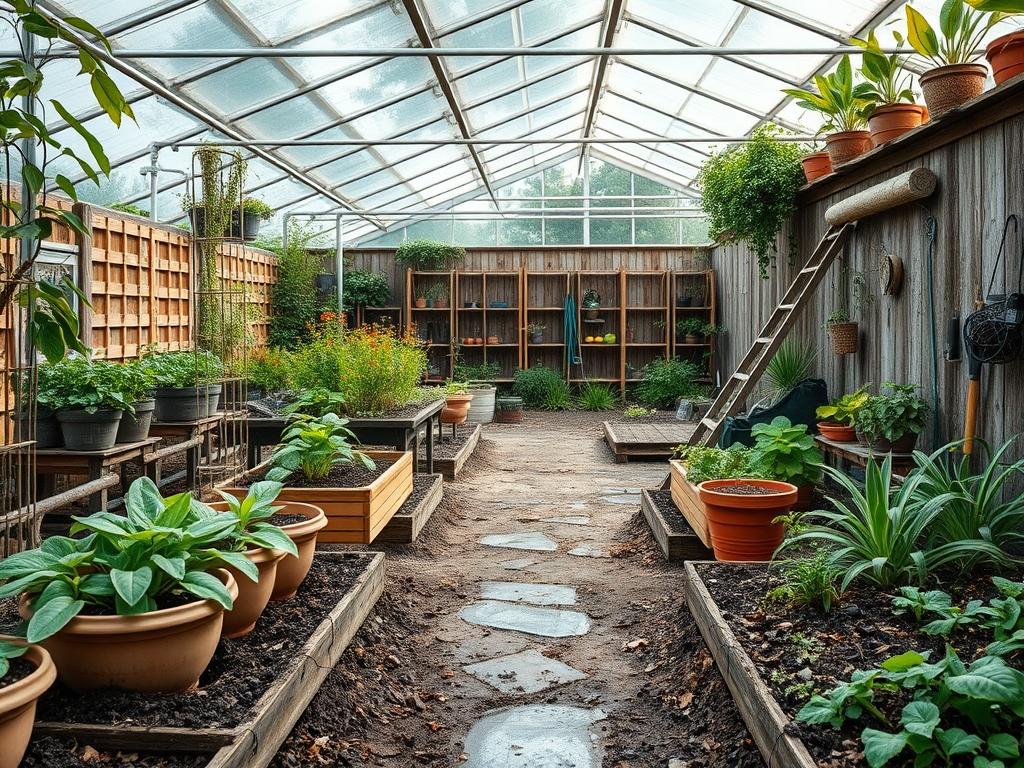
Creating a functional outdoor sanctuary requires more than just planting a few shrubs along a fence line. It demands a sophisticated understanding of spatial dynamics, horticultural requirements, and structural engineering. Homeowners often find that their outdoor spaces feel exposed to neighbors or local traffic, which diminishes the utility of their decks and patios. This is where the expertise of Backyard Privacy Screen Pros becomes essential. A professional approach to privacy screening considers the microclimate of the lot, the existing soil composition, and the long term growth patterns of both evergreen and deciduous species. The goal is to maximize curb appeal while establishing a biological or structural barrier that absorbs sound and blocks unsightly views. By integrating high quality materials with strategic plant placement, a landscape can be transformed from a flat, two-dimensional yard into a multi-layered environment that serves as a true extension of the home.
Effective landscape design begins with a comprehensive site analysis. This involves mapping the movement of the sun throughout the day to identify areas of high heat and deep shade. Professional consultants look at the prevailing wind directions and the natural topography of the land to determine how water moves across the surface. Proper grading is the silent hero of any successful project, as it prevents water from pooling near the foundation or suffocating the root zones of expensive specimens. When planning for privacy, one must balance the need for immediate screening with the patience required for plants to reach their mature height. Relying purely on fast-growing species can lead to overcrowding and disease, whereas a diversified planting plan ensures resilience against local pests and climate fluctuations.
Landscape Design Principles
The architecture of a garden relies on several core principles that guide the eye and define the space. Symmetry provides a sense of formality and order, often achieved through paired plantings of Thuja occidentalis or identical stone pillars at the entrance of a walkway. However, asymmetrical balance can be equally effective, using different weights of foliage and hardscape elements to create a more naturalistic, relaxed environment. Focal points are another critical element; they give the eye a place to rest, whether it is a custom limestone fountain, a specimen Acer palmatum, or a high-end outdoor fireplace.
Elevation layers add depth and interest to a flat lot. By utilizing retaining walls built from interlocking concrete blocks or natural fieldstone, a designer can create tiered planting beds that raise the height of privacy screens. This technique is particularly useful in urban settings where ground space is limited. Each layer should have a specific purpose: a ground cover layer for moisture retention, a mid-story layer for visual density, and a canopy layer for shade and overhead protection.
Irrigation planning must be integrated into the design from the very beginning. Delivering water directly to the root zone via a drip irrigation system reduces evaporation and prevents the foliar diseases associated with overhead sprinklers. Furthermore, the layout must account for movement. Flagstone walkways or paver paths should be at least 36 inches wide to allow for comfortable passage, ensuring that the privacy screens do not feel like a cage but rather like the walls of a lush, outdoor room.
Plant and Material Selection
Selecting the right foliage is the most important decision in any screening project. The following table highlights some of the most effective species used by professional installers.
| Plant Type | Sun Exposure | Soil Needs | Water Demand | Growth Speed | Maintenance Level |
| :— | :— | :— | :— | :— | :— |
| Green Giant Arborvitae | Full Sun / Part Shade | Well-drained | Moderate | Fast | Low |
| Skip Laurel | Full Sun / Deep Shade | Moist, Acidic | High | Medium | Moderate |
| Nellie R. Stevens Holly | Full Sun / Part Shade | Adaptable | Moderate | Medium | Low |
| Clumping Bamboo | Full Sun | Rich, Loamy | High | Very Fast | High |
| Hicks Yew | Part Shade / Shade | Well-drained | Moderate | Slow | Moderate |
| European Hornbeam | Full Sun | Heavy Clay / Loam | Moderate | Medium | Low |
For homeowners who prefer structural solutions, cedar wood panels, powder-coated aluminum slats, and composite fencing offer immediate privacy. These materials are often paired with climbing vines such as Hydrangea petiolaris or Lonicera sempervirens to soften the hard edges and provide seasonal color.
Implementation Strategy
The process begins with a precise survey of the property lines using a laser level and surveying stakes. Once the boundaries are confirmed, the phase of site grading commences. Ensuring a 2 percent slope away from structures is vital for long term drainage health. If the soil is heavily compacted, it must be aerated and amended with organic compost or expanded shale to improve porosity.
Next, the hardscape elements are installed. This includes the footings for pergolas or the base layers for retaining walls. A standard base consists of 6 inches of compacted crushed stone followed by an 1-inch leveling layer of coarse sand. Once the structural components are in place, the planting holes are excavated. A common mistake is digging a hole that is too deep; instead, the hole should be two to three times the width of the root ball but no deeper than the root flare.
After the plants are set, a 3-inch layer of shredded hardwood mulch is applied to the beds. This helps regulate soil temperature and suppress weeds. Finally, the edging is installed to create a clean transition between the turf and the planting beds. Steel edging or poured concrete curbs provide a crisp line that enhances the overall professional aesthetic.
Common Landscaping Failures
One of the most frequent errors in garden planning is ignoring the mature size of the selected species. Planting Leyland Cypress only 3 feet apart may provide a quick screen, but within five years, the trees will compete for light and nutrients, leading to interior browning and needle drop. Proper spacing is essential for air circulation, which prevents fungal outbreaks.
Drainage mistakes can be equally catastrophic. Small lots often suffer from soil compaction due to construction equipment, leading to “bathtub syndrome” where water sits in the planting hole and rots the roots. Installing a French drain using 4-inch perforated pipe and river rock can mitigate these issues by redirecting excess moisture to a designated catchment area or rain garden.
Irrigation inefficiencies also plague many DIY projects. Homeowners often overwater during the first month and then neglect the plants during the first drought of the second year. A smart irrigation controller with a rain sensor ensures that the landscape receives the exact amount of hydration needed based on real-time weather data.
Seasonal Maintenance
Landscape management is a year-round commitment. In the Spring, the focus is on rejuvenation. This involves applying a balanced granular fertilizer, pruning away any winter kill, and refreshing the mulch to a depth of 2 inches. Pre-emergent herbicides should be applied before soil temperatures reach 55 degrees Fahrenheit to prevent weed seeds from germinating.
Summer maintenance is centered on moisture management and pest monitoring. During periods of extreme heat, deep soaking twice a week is more effective than daily light misting. Professionals also watch for signs of spider mites or bagworms, which can quickly defoliate a privacy screen if left unchecked.
In the Autumn, it is time to prepare the plants for dormancy. This is the best window for planting new deciduous trees, as the cooler air and warm soil encourage root growth without the stress of summer heat. Applying a dormant oil spray to evergreens can help protect them from overwintering insects.
Winter care involves protecting the structural integrity of the landscape. Heavy snow should be gently brushed off the branches of upright junipers or arborvitae to prevent them from splitting. In colder regions, applying an anti-desiccant spray to broadleaf evergreens like Boxwood or Holly prevents windburn and moisture loss when the ground is frozen.
Professional Landscaping FAQ
How long does it take for a privacy screen to mature?
Most evergreen screens reach a functional height within three to five years. Fast-growing species like Green Giant can grow up to 3 feet annually, while slower species like Yews may take a decade to reach full maturity.
What is the best material for a low maintenance screen?
Aluminum slats and composite fencing are the most durable, low-maintenance options for structural screening. For living screens, Nellie R. Stevens Holly requires minimal pruning and is highly resistant to common diseases and pests.
Can I plant a privacy screen in a shaded area?
Yes. Species such as Hicks Yew, Skip Laurel, and Canadian Hemlock thrive in lower light conditions. These plants provide dense foliage even in areas that receive less than four hours of direct sunlight per day.
How do I prevent my privacy trees from dying?
Ensure proper drainage and avoid burying the root flare. Using a soaker hose for the first two growing seasons and applying 3 inches of mulch will provide the stability and hydration necessary for long term survival.
Do I need a permit for a privacy screen?
Structural screens and fences taller than 6 feet typically require a local building permit. Living screens usually do not have height restrictions, but you should always check your local zoning laws and homeowners association guidelines before planting.