
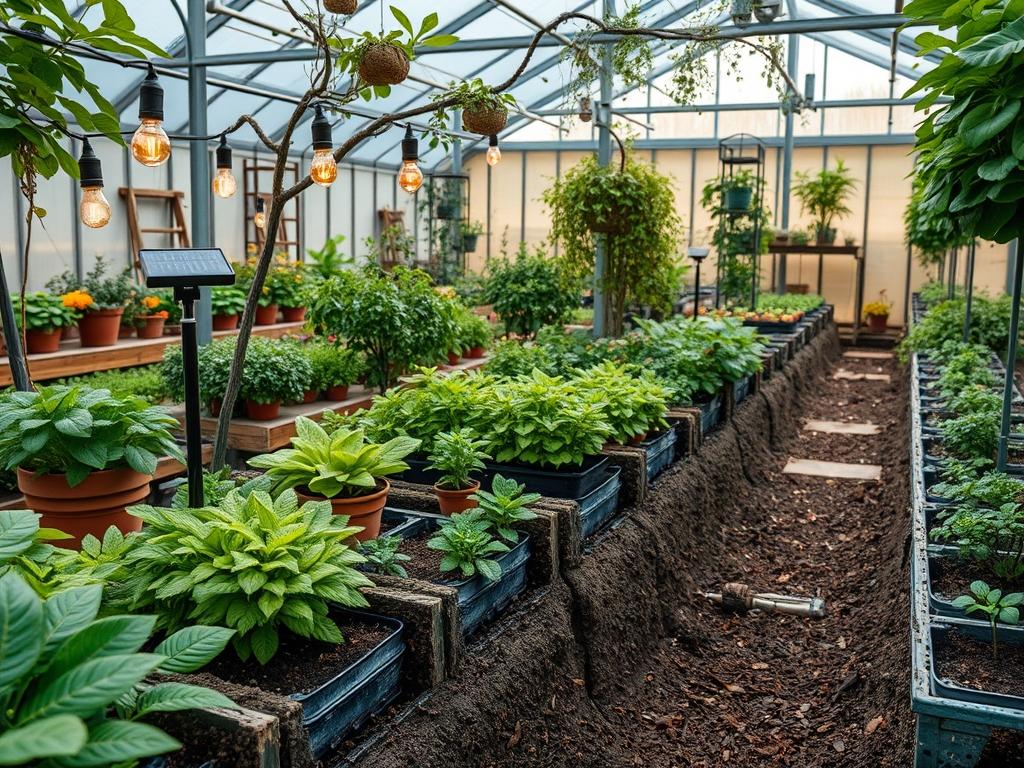
Effective landscape design must bridge the gap between daytime aesthetics and nocturnal functionality. The integration of Solar Garden String Lights allows property owners to extend the utility of their outdoor living environments without the prohibitive costs of trenching for traditional low voltage electrical lines. In a professional architectural context, lighting is treated as a structural layer that defines the perimeter and emphasizes the focal points of the site. We evaluate solar potential based on the geographical orientation of the property, ensuring that photovoltaic collectors receive a minimum of six hours of direct sunlight. This strategy avoids the common pitfall of dimming fixtures during the late evening. By utilizing sustainable lighting solutions, a designer can improve curb appeal, increase safety along transition zones, and create a warm, inviting atmosphere that complements the local ecology.
Landscape Design Principles
Successful lighting integration relies on fundamental design principles such as symmetry and visual balance. When we place Solar Garden String Lights, we consider the elevation layers of the garden. High level lighting, such as strings draped through the canopy of a Honey Locust or across a Pergola, provides a ceiling of light that makes a large patio feel intimate. Mid level lighting involves wrapping trunks or defining the top edge of a Retaining Wall to establish clear boundaries.
Symmetry is particularly important in formal landscapes where manicured Boxwood hedges and straight Paver Walkways dominate the layout. If you place lighting on one side of a path, it must be mirrored or balanced by a significant textural element on the opposite side to prevent a lopsided visual weight at night. Focal points, such as a large Glazed Ceramic Urn or a specimen Japanese Maple, should be the brightest spots in the garden. By carefully positioning the solar panels in areas with high solar gain, the designer ensures these features remain illuminated long after sunset. Irrigation planning must also be synchronized with lighting placement; panels should never be positioned directly in the path of high pressure spray heads to prevent mineral buildup on the sensors.
Plant and Material Selection
Choosing the right botanical companions for your lighting project involves understanding the growth habits and maintenance requirements of each species. The following table outlines plants that pair well with different lighting elevations and soil conditions.
| Plant Type | Sun Exposure | Soil Needs | Water Demand | Growth Speed | Maintenance Level |
| :— | :— | :— | :— | :— | :— |
| English Lavender | Full Sun | Well-drained, sandy | Low | Medium | Low |
| Dwarf Boxwood | Full to Partial Sun | Loamy, rich | Moderate | Slow | Medium |
| Creeping Thyme | Full Sun | Gritty, poor soil | Low | Fast | Low |
| Fountain Grass | Full Sun | Various types | Moderate | Fast | Low |
| Japanese Maple | Partial Shade | Slightly acidic, moist | Moderate | Slow | High |
| Hostas | Full Shade | Organic, damp | High | Medium | Low |
The selection of hardscape materials also dictates the success of a lighting installation. Darker materials like Charcoal Slate or Basalt absorb light, requiring more lumens to achieve a visible effect. Conversely, lighter materials such as White Pea Gravel or Travertine Pavers reflect light upward, which can enhance the glow of Solar Garden String Lights and reduce the number of fixtures needed to safely illuminate a space.
Implementation Strategy
The implementation phase begins with professional site grading. Before any lights are hung, the ground must be sloped away from the home at a minimum of two percent to ensure proper drainage. Once the grading is established, we outline the garden beds using a Steel Edger or Natural Stone Border to create a clean separation between the turf and the planting zones.
For the installation of Solar Garden String Lights, we recommend using 3/16 inch Stainless Steel Tension Wire if the span exceeds ten feet. This prevents sagging over time and protects the copper wiring from wind fatigue. The solar collector should be mounted on a Wooden Post or a Deck Railing at an elevation that avoids shade from the summer leaf canopy.
When preparing the planting beds, a Spade should be used to turn the soil to a depth of twelve inches. Incorporate organic compost before applying a layer of Hardwood Mulch at a depth of exactly three inches. This mulch depth is critical; it is thick enough to suppress weeds and retain moisture for the Irrigation System, yet thin enough to allow gas exchange for the roots. Ensure the mulch is kept three inches away from the base of any woody plants or light stakes to prevent rot and pest infestation.
Common Landscaping Failures
The most frequent failure in residential landscapes is improper drainage, which leads to soil saturation and root rot. If a site is not graded correctly, water will pool around the base of lighting stakes, causing the metal to corrode and the internal electronics to fail. Another common error is root overcrowding. Designing for the mature size of the plant is essential. For instance, planting a Leyland Cypress too close to a Stone Walkway will eventually lead to the roots heaving the pavers and snagging low hung string lights.
Soil compaction is another silent killer in the landscape. Heavy foot traffic or the use of heavy machinery during construction crushes the pore spaces in the soil, preventing oxygen from reaching the root zone. This stress makes plants more susceptible to disease and reduces the overall aesthetic value of the garden. Finally, many homeowners fail to account for irrigation inefficiencies. Mismatched nozzle heads or poor timing can lead to overwatering in shaded areas where Solar Garden String Lights are used to brighten dark corners, resulting in an environment where only moss and fungus thrive.
Seasonal Maintenance
Landscape management is a year round commitment that changes with the weather. In the spring, the focus should be on pruning dead wood from Deciduous Shrubs and checking the tension on the light strings after winter storms. This is also the time to apply a pre-emergent herbicide and refresh the Cedar Mulch.
Summer maintenance requires diligent monitoring of the Irrigation Controller. As temperatures rise, adjust the watering schedule to early morning hours to minimize evaporation. Clean the solar panels on your Solar Garden String Lights with a microfiber cloth and soapy water every thirty days. Dust and pollen accumulation can reduce charging efficiency by up to thirty percent during the peak of the growing season.
Autumn is the season for leaf management. Do not allow fallen leaves to sit on top of ground level solar sensors, as this will prevent them from turning on. Use a Leaf Blower or Rake to keep the beds clear. Trim back any Ornamental Grasses that may have grown to obscure the light path.
Winter maintenance involves protecting vulnerable equipment. If you live in a climate with heavy snow, consider temporarily lowering string lights to avoid weight damage. Check the structural integrity of Arbors and Trellises that support the lights, as the freeze-thaw cycle can loosen hardware in wood and masonry.
Professional Landscaping FAQ
How do I maximize the brightness of solar lights in shaded gardens?
Position the remote solar collector in a high sunlight zone, such as a roofline or clearing. Use light colored Limestone Mulch or reflective garden ornaments to bounce the available light into the darker areas where the bulbs are located.
What is the best way to secure lights to a brick wall?
Use a Hammer Drill with a Masonry Bit to install Lead Anchors or Plastic Wall Plugs. Secure the lights using Stainless Steel Screw Eyes and tension wire to ensure the installation remains taut and professional across the stone surface.
Can I leave solar string lights out during the winter?
High quality, weather rated lights can remain outdoors if the solar panel is kept clear of snow. However, extreme cold can reduce battery capacity over time. For maximum longevity, store the battery components indoors during sub-zero temperatures.
How deep should my garden edging be to protect lighting wires?
Standard garden edging should reach a depth of four to six inches. If you are burying the lead wires for your Solar Garden String Lights, use PVC Conduit to protect the line from accidental damage caused by Edgers or Shovels.
Why are my plants near the walkway turning yellow?
This is often a sign of overwatering or soil compaction near the hardscape. Ensure your Drip Irrigation is not leaking near the path and use a Core Aerator to relieve compaction, allowing nutrients to reach the root systems properly.