
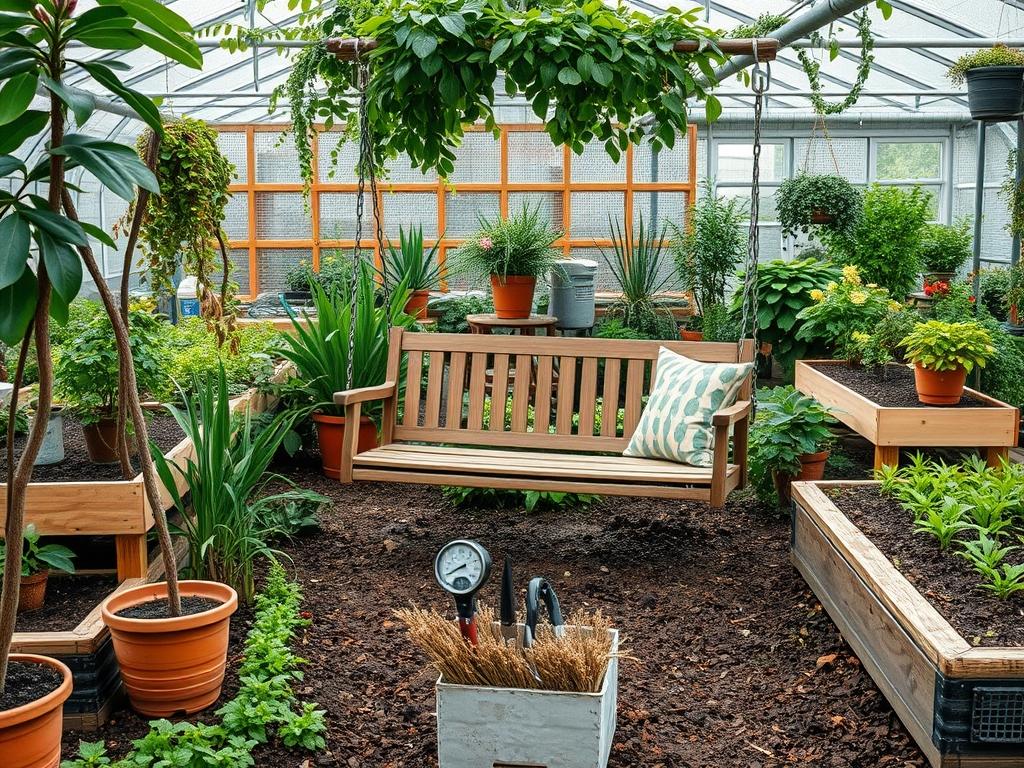
The integration of a modern porch swing into a residential landscape requires a sophisticated understanding of both architectural form and environmental functionality. Often viewed as a mere accessory, the porch swing actually serves as a critical structural anchor that dictates the flow of movement and the visual weight of a home’s entryway or rear terrace. When selecting modern porch swing ideas, a landscape architect must evaluate the microclimatology of the site; this includes analyzing wind patterns that might cause oscillation and solar orientation that dictates the comfort of the occupant at various times of day. A poorly placed swing can become an unusable ornament if it is subjected to harsh afternoon glare or trapped in a stagnant corner without airflow. Beyond comfort, the aesthetic contribution of a high-end swing enhances curb appeal by introducing a sense of programmed relaxation, signaling to observers that the outdoor space is designed for intentional living rather than just transitional passage.
Landscape Design Principles
Successful modern porch swing installations rely on the principle of symmetry to create a sense of formal elegance. When a swing is positioned on a deep veranda, it should ideally be balanced by a secondary focal point, such as a large-scale ceramic planter or a structured grouping of Boxwood (Buxus). This balance prevents the porch from appearing lopsided and helps guide the eye toward the primary entryway. Focal points are not limited to the furniture itself; the view from the swing must be curated. By utilizing elevation layers, architects can create a tiered garden that provides interest at eye level, mid-height, and ground level, ensuring that the person swinging has a multi-dimensional perspective of the greenery.
The transition from the swing to the rest of the property is managed through meticulously planned walkways. Using geometric pavers or large slate tiles creates a modern, clean line that complements the minimalist aesthetic of contemporary swing designs. It is also essential to consider irrigation planning during the design phase. Subsurface irrigation lines should be routed away from the heavy structural supports of the porch or the swing frame to prevent soil saturation, which can compromise the stability of the mounting hardware. Visual balance is achieved by echoing the materials of the swing, such as powder-coated steel or teak wood, in the surrounding hardscape elements like retaining walls or edging.
Plant and Material Selection
The following table provides a selection of vegetative and structural materials that complement a modern swinging area, focusing on durability and aesthetic cohesion.
| Plant or Material Type | Sun Exposure | Soil Needs | Water Demand | Growth Speed | Maintenance Level |
| :— | :— | :— | :— | :— | :— |
| Boxwood | Full Sun to Part Shade | Well-drained, Loamy | Moderate | Slow | Low (Requires Pruning) |
| English Lavender | Full Sun | Sandy, Alkaline | Low | Moderate | Medium (Deadheading) |
| Blue Fescue | Full Sun | Poor to Average | Low | Moderate | Low |
| Japanese Maple | Dappled Shade | Moist, Acidic | Moderate | Slow | Medium |
| Maiden Grass | Full Sun | Adaptable | Low | Fast | Low (Cut back in winter) |
| River Rock | N/A (Hardscape) | N/A | None | N/A | Very Low |
Implementation Strategy
A professional implementation begins with precise grading of the area surrounding the swing. For swings that are part of a standalone garden structure, the ground must be leveled and slightly sloped away from the center at a 2 percent grade to ensure water does not pool under the seat. If the swing is being mounted to an existing porch, the structural integrity of the ceiling joists must be verified; often, a 4-by-6 inch header beam is required to safely support the dynamic load of two or more adults.
Once the structural elements are secure, the focus shifts to the ground plane. Edging should be installed to create a crisp boundary between the lawn and the seating area. Using 14-gauge steel edging provides a clean, modern line that prevents grass encroachment. Within these borders, a layer of landscape fabric should be applied, followed by a 3-inch depth of double-shredded hardwood mulch or crushed basalt gravel. This treatment suppresses weeds and provides a clean surface that does not track mud onto the porch. For drainage, a French drain system can be installed if the porch is located at the base of a slope, diverting runoff into a dedicated dry well or rain garden.
Common Landscaping Failures
The most frequent error in porch swing placement is a failure to account for the swing’s arc, leading to collisions with railings or decorative masonry. A minimum clearance of 3 to 4 feet should be maintained both in front of and behind the swing. Another critical failure involves drainage; if the area beneath the swing is not properly permeable, the constant motion of feet can wear down the turf and create a muddy depression, known as a “wear dip.” This is best avoided by installing a small hardscape pad of stone or pavers directly where the users’ feet make contact with the ground.
Improper spacing of plants is another common mistake. Designers often plant evergreen shrubs too close to the porch when they are at nursery size, forgetting their mature spread. Within five years, these plants can crowd the swing area, obstructing movement and trapping moisture against the wood, which leads to rot. Furthermore, soil compaction from heavy foot traffic around the swing can suffocate the roots of nearby focal plants. To mitigate this, incorporate stepping stones or maintain wider paths to distribute the weight of guests and prevent the soil from becoming an impermeable layer that rejects irrigation.
Seasonal Maintenance
Seasonal management ensures that the landscape remains a pristine backdrop for the swing throughout the year. In the spring, the primary focus is on refreshing the mulch and applying a pre-emergent herbicide to prevent weed seeds from germinating in the warm soil. This is also the time to inspect the swing’s hardware for any signs of oxidation or wear from winter moisture. A light application of marine-grade lubricant on the chains or pivots will ensure silent operation for the upcoming season.
During the summer, irrigation levels must be monitored closely, especially for container plants located near the seating area. Using a drip irrigation system with a timer can provide consistent hydration without the risk of over-spraying the furniture. In autumn, the priority shifts to leaf management. Debris should be cleared from the porch and the surrounding beds to prevent mold growth. If the swing has removable cushions, they should be cleaned and stored once the first frost occurs. Finally, in winter, the structural elements of the landscape take center stage. Pruning dormant deciduous trees like the Japanese Maple provides a clear view of the architectural lines of the swing, while checking for structural damage from snow loads ensures the area remains safe for the following year.
Professional Landscaping FAQ
What is the best material for a modern porch swing?
Powder-coated steel and A-grade Teak are the primary choices. Steel offers a minimalist, industrial look with high durability, while teak provides a natural warmth that resists rot and insects without requiring heavy chemical treatments or frequent staining.
How do I prevent weeds from growing under my swing?
Install a professional-grade geotextile fabric over the soil before adding 3 inches of decorative stone or wood mulch. For a more permanent solution, use polymer sand between pavers to create a solid, weed-resistant surface that remains permeable to water.
Is a permit required for installing a porch swing?
If you are attaching the swing to a structural ceiling, local building codes may require an inspection to ensure the joists can handle the dynamic load. Always consult a licensed contractor to verify the weight-bearing capacity of your porch or pergola.
Which plants provide the best privacy for a porch swing?
Columnar Junipers or Maiden Grass offer excellent vertical screening without taking up significant horizontal space. These plants create a natural “green wall” that provides a sense of seclusion while still allowing for refreshing airflow through the seating area.
How much clearance does a swing need?
For safety and comfort, allow at least 36 inches of clearance behind the swing and 48 inches in front. This prevents the swing from hitting the house wall or railings and ensures that people can walk past while the swing is in motion.