
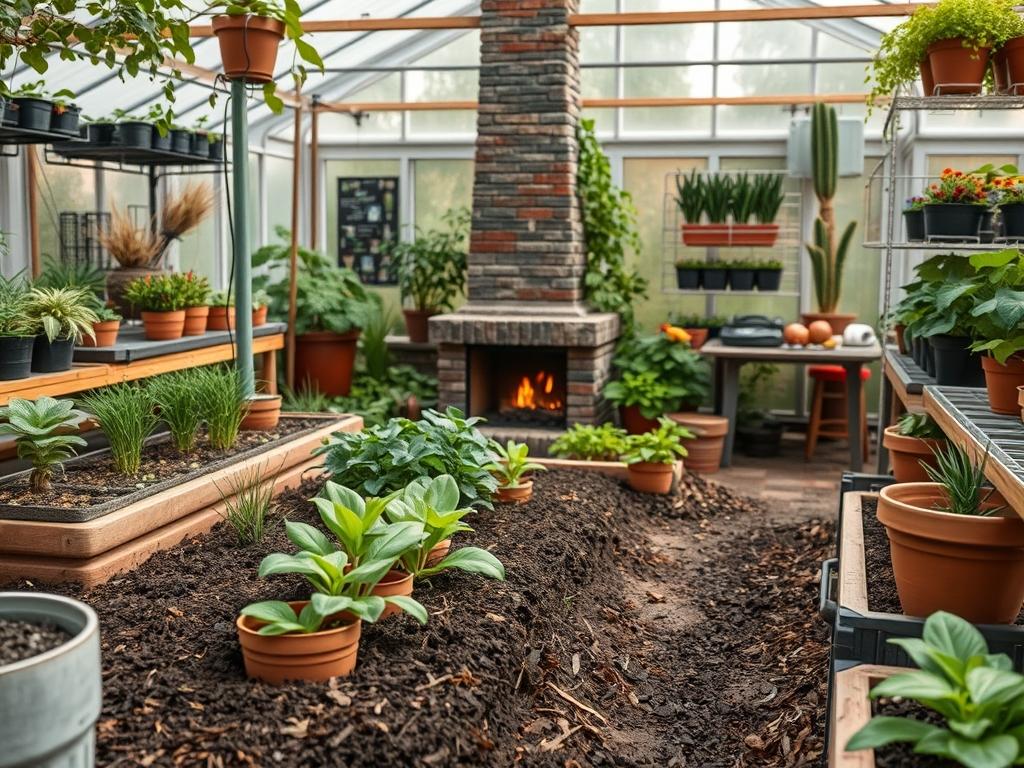
Integrating a permanent fire feature into a residential landscape requires a sophisticated understanding of both architectural form and environmental function. The modern backyard has evolved from a simple patch of turf into a highly engineered outdoor room where the fireplace serves as the primary structural and social anchor. This shift represents a significant investment in property value and curb appeal, but it also presents complex challenges for the landscape architect. Creating a successful environment involves more than placing a stone hearth on a patio; it requires careful consideration of prevailing wind patterns, smoke mitigation, and the psychological impact of vertical elements in an open space. A well-designed fireplace zone must function across four seasons, providing warmth in the winter while acting as a sculptural focal point during the summer months.
The primary goal of modern outdoor living is to blur the boundary between the interior and exterior. To achieve this, we must address the landscape as a series of connected zones. A fireplace should not merely sit on the periphery but should dictate the flow of the entire yard. When planning these spaces, we prioritize the hierarchy of the site. This involves analyzing how the eye moves from the back exit of the home toward the flickering flames of the hearth. High-end trends emphasize clean lines and a minimalist aesthetic, often utilizing Corten steel, polished concrete, or linear basalt stone. However, these materials must be integrated with the natural surroundings through thoughtful grading and softscaping to ensure the structure does not feel monolithic or out of place.
Landscape Design Principles
Successful fireplace integration relies on the principle of visual balance. Because a fireplace is typically a heavy, vertical structure, it can easily overwhelm a small yard if not balanced by other site elements. We use elevation layers to create depth, often setting the fire pit or hearth a few steps below the main patio level to create a cozy, sunken lounge effect. This technique also helps with wind protection, as the slight change in grade can act as a natural buffer. Retaining walls are frequently used to frame the area, providing extra seating while simultaneously managing soil pressure from higher sections of the garden.
Symmetry plays a vital role in modern aesthetics. A fireplace centered at the end of a long walkway made of large-format pavers creates a powerful sense of arrival. To maintain this balance, we often mirror the fireplace with a secondary structure on the opposite side, such as a pergola or a raised planter box. Irrigation planning is another critical principle that professionals cannot overlook. Water lines must be carefully routed to avoid the heat zone of the fireplace, and the surrounding soil must be graded at a 2 percent slope away from the masonry footer to prevent water from pooling at the base and causing structural shifting over time.
Lighting design also factors into the overall principle of the focal point. While the fire itself provides ambient light, we incorporate low-voltage LED path lights and uplights hidden within the foliage of nearby trees. This ensures that the entire environment remains navigable and visually appealing even when the fire is not lit. By layering these elements, we create a multi-dimensional space that feels intentional rather than opportunistic.
Plant and Material Selection
The following table outlines the botanical selections that best complement the heat and structural requirements of an outdoor fireplace environment.
| Plant Type | Sun Exposure | Soil Needs | Water Demand | Growth Speed | Maintenance Level |
| :— | :— | :— | :— | :— | :— |
| Blue Star Juniper | Full Sun | Well-drained | Low | Slow | Low |
| Karl Foerster Grass | Full Sun | Loamy/Moist | Moderate | Fast | Low |
| Dwarf Boxwood | Part Sun | Well-drained | Moderate | Slow | Medium |
| Shenandoah Switchgrass | Full Sun | Variable | Low | Fast | Low |
| Creeping Thyme | Full Sun | Gritty/Dry | Low | Moderate | Low |
| Red-Twig Dogwood | Full Sun/Part Shade | Moist/Clay | High | Fast | Medium |
Selecting the right hardscape materials is equally important for longevity and safety. For the hearth and firebox, we exclusively use fire brick and high-temperature mortar to prevent cracking under thermal stress. The exterior cladding can range from slate to limestone, depending on the desired color palette. River rock and lava rock are excellent choices for filling the burner tray in gas-fed units, as they distribute heat evenly and provide a clean, contemporary look.
Implementation Strategy
The construction process begins with a meticulous site survey. We start with grading the area to ensure a perfectly level foundation for the hearth. This involves excavating the soil to a depth of at least 12 inches below the frost line to install a compacted gravel base. A solid foundation prevents the heavy masonry from sinking or tilting during seasonal freeze-thaw cycles. Once the base is set, we pour a concrete footing reinforced with rebar to provide maximum stability.
After the structural core of the fireplace is built, we transition to the surrounding hardscape. Edging tools are used to create crisp borders between the patio and the lawn. We recommend using polymeric sand for the paver joints around the fireplace, as it resists weed growth and maintains its integrity better than traditional sand when exposed to heat and frequent foot traffic. The layout should include 4 inches of dark hardwood mulch in the adjacent planting beds to retain moisture and provide a clean visual contrast against the stone.
For gas-fueled fireplaces, we coordinate the installation of subterranean lines before any stone is laid. These lines must be pressure tested and buried according to local building codes. Drainage is the final part of the implementation strategy. We often install French drains or trench drains behind retaining walls to capture runoff and divert it away from the living area, ensuring the space remains dry and usable shortly after a rainstorm.
Common Landscaping Failures
One of the most frequent mistakes in backyard fireplace design is improper drainage. When water is allowed to sit at the base of a stone structure, it can seep into the masonry pores. During winter months, this water freezes and expands, causing “spalling,” where the face of the stone flakes off. Another common failure is neglecting the “chimney effect.” If a chimney is built too short or is obstructed by a nearby roofline, it will not create the necessary draft to pull smoke upward, resulting in a smoke-filled seating area that is unusable for guests.
Root overcrowding is a biological failure often seen in DIY projects. Planting large canopy trees too close to a fireplace can lead to root systems undermining the foundation or branches catching fire from sparks. We recommend a minimum clearance of 10 feet for any overhanging limbs. Finally, soil compaction during the construction phase often kills existing vegetation. When heavy machinery moves in and out of the yard to deliver bricks and stone, the soil becomes so dense that oxygen can no longer reach the roots of nearby perennials and shrubs. Using ground protection mats during the build is a professional necessity.
Seasonal Maintenance
Maintaining an outdoor fireplace and its surrounding landscape is a year-round commitment. In the spring, the focus should be on inspecting the masonry joints for any cracks that may have developed during the winter. This is also the time to apply a fresh layer of mulch and prune any ornamental grasses like Karl Foerster Grass to allow for new growth. Check the irrigation system for leaks and ensure that the spray heads are not pointing directly at the stone surfaces.
During the summer, the primary task is moisture management. The heat from the fireplace, combined with the sun, can desiccate nearby plants very quickly. Regular watering of foundation plantings is essential. In autumn, clear the gutters of the fireplace or the chimney cap of fallen leaves to prevent fire hazards. It is also wise to clean the soot and ash from the firebox to prevent it from clumping and holding moisture throughout the wet months.
In the winter, if the fireplace is not in use, a custom-fitted cover for the opening can prevent small animals from nesting inside. Avoid using ice-melting chemicals on the stone patio surrounding the hearth, as these salts can chemically react with the sealants and cause permanent staining. Instead, use a stiff-bristle broom or a plastic shovel to clear snow.
Professional Landscaping FAQ
How much space is needed for an outdoor fireplace?
You should allocate at least 100 square feet for the fireplace and immediate seating. This allows for comfortable movement and ensures furniture is a safe distance of 3 feet or more from the heat source.
Can I install a fireplace on an existing deck?
Standard wood decks cannot support the weight of a stone fireplace. You must install a dedicated concrete pier system or use a lightweight modular kit specifically engineered for structural decks to ensure safety and compliance.
Do modern outdoor fireplaces require a chimney?
Wood-burning models require a chimney to vent smoke away from guests. However, gas-fueled linear fireplaces often use a “vent-free” system, allowing for sleeker designs without a vertical stack, provided there is adequate natural airflow.
What is the best way to prevent stone discoloration?
Apply a high-quality breathable silane-siloxane sealer to the stone. This protects against water penetration and grease stains from food while allowing internal moisture to escape, preventing the cloudy appearance common with non-breathable coatings.
Which plants are most fire-resistant for hearth borders?
Succulents and plants with high water content, such as Sedum or Aloe, are excellent. Deciduous shrubs with supple leaves are also safer than resinous evergreens like Pine or Cedar, which can ignite easily from stray sparks.