
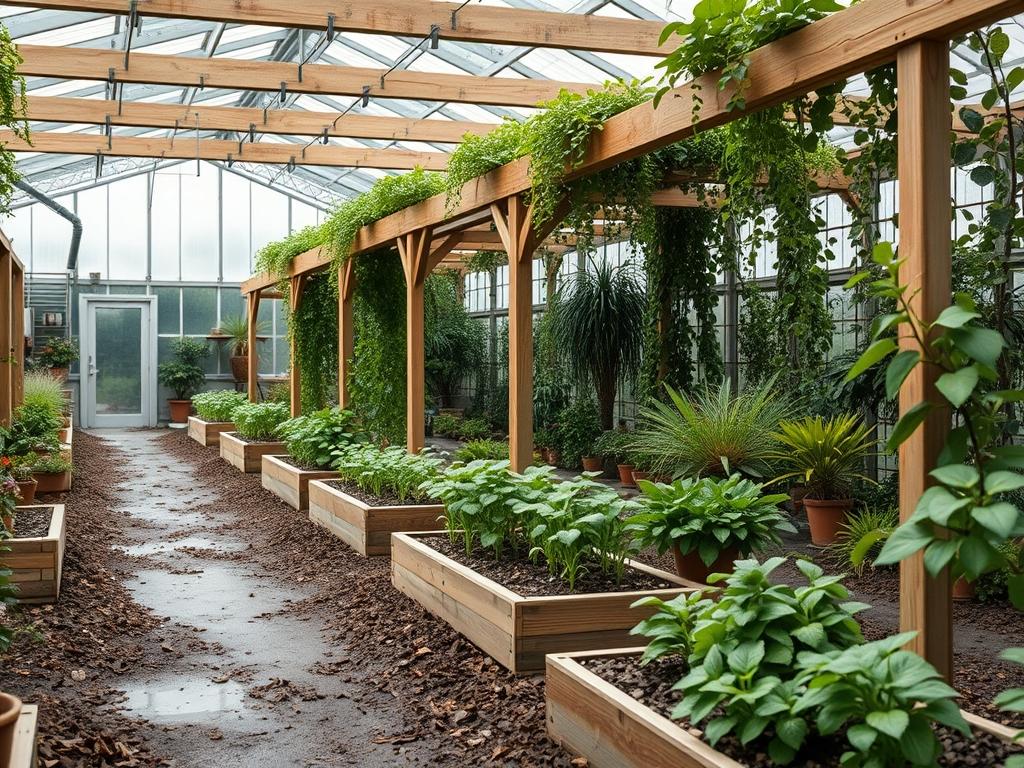
Modern landscape architecture has shifted its focus toward the seamless integration of structural steel and timber with organic, fluid plant life. The primary challenge facing homeowners today involves bridging the gap between a rigid dwelling and the sprawling, often unpredictable nature of the garden. A backyard should not merely be a collection of plants; it should function as an outdoor room that facilitates movement, relaxation, and social engagement. When selecting Contemporary Pergola Kits for easy installation, the goal is to create a transition zone that provides shade and architectural interest without overwhelming the existing site conditions. Climate considerations are paramount in this selection process. For instance, high wind zones require kits with heavy-duty anchoring systems, while regions with intense UV exposure necessitate materials like Powder-Coated Aluminum or high-grade Refined Cedar. Successful integration of these structures immediately boosts curb appeal by establishing a clear focal point, which subsequently increases the perceived value of the property.
Landscape Design Principles
In the realm of professional landscaping, the concept of symmetry acts as the backbone of a structured environment. When installing Contemporary Pergola Kits, alignment with the primary architectural lines of the home is essential for visual cohesion. We often look for axial relationships where the center of the pergola aligns with a sliding glass door or a large window, creating a framed view from the interior. Focal points are then reinforced by placing the structure at the junction of two paths or at the terminus of a visual corridor.
Elevation layers must also be considered to prevent a flat, uninspired look. By varying the height of the surrounding flora, you can soften the hard edges of the pergola. Low-profile hardscaping, such as Natural Flagstone or Uniform Concrete Pavers, should serve as the ground plane, while mid-tier shrubs provide a green backdrop. Irrigation planning is another critical pillar. Systems must be designed to deliver water directly to the root zones of climbing vines or nearby perimeter plantings without over-spraying the pergola frame, which could lead to premature weathering or staining. Walkways should be at least 36 inches wide to allow for comfortable passage, ensuring that the pergola feels like an accessible destination rather than a cramped secondary thought. Visual balance is achieved by mirroring heavy structural elements with dense plant mass, such as using a fast-growing Serviceberry Tree to offset the vertical weight of a Steel Post.
Plant and Material Selection
| Plant Type | Sun Exposure | Soil Needs | Water Demand | Growth Speed | Maintenance Level |
| :— | :— | :— | :— | :— | :— |
| Star Jasmine | Full Sun to Partial Shade | Well-drained, loamy | Moderate | Fast | Moderate |
| Japanese Forest Grass | Partial to Full Shade | Moist, humus-rich | Moderate | Slow | Low |
| Blue Oat Grass | Full Sun | Lean, well-drained | Low | Moderate | Low |
| Boxwood ‘Green Velvet’ | Full Sun to Partial Shade | Neutral, well-drained | Moderate | Slow | High (Pruning) |
| Climbing Hydrangea | Partial Shade | Rich, moist | High | Slow initially | Moderate |
| Lavender ‘Phenomenal’ | Full Sun | Sandy, alkaline | Low | Moderate | Low |
The selection of these species ensures that the area around the Contemporary Pergola Kits remains vibrant across multiple seasons. Materials for the structure itself should complement the plant palette. For example, a black Aluminum Pergola provides a striking contrast against the silver-blue hues of Blue Oat Grass, while a natural wood finish harmonizes with the deep greens of Boxwood.
Implementation Strategy
Planning a backyard layout requires a methodical approach starting with accurate site grading. A slope of at least 2 percent away from the home and the pergola foundation is necessary to prevent water pooling. Begin by marking the footprint of your pergola using a String Line and Stake Kit, ensuring the corners are perfectly square by utilizing the 3-4-5 triangle method. For easy installation kits, the foundation usually consists of concrete footers or heavy-duty deck brackets. Use an Auger to dig holes to the frost line, typically 30 to 42 inches deep depending on local building codes, to ensure structural stability through seasonal freeze-thaw cycles.
Once the posts are set and checked with a Spirit Level, focus on the surrounding beds. Edging should be crisp; use Steel Edging or Recycled Plastic Bracing to define the borders between the lawn and the mulch beds. A depth of 3 inches of Hardwood Mulch is recommended to retain moisture and suppress weeds. Drainage is the most overlooked phase. If the site is prone to saturation, install a French Drain using 4-inch Corrugated Piping and Clean Gravel to redirect excess runoff. Hardscaping elements, such as a Retaining Wall built with Segmental Masonry Blocks, can help level a sloped site to create a perfectly flat platform for the pergola, which simplifies the assembly of the kit components.
Common Landscaping Failures
The most frequent mistake in modern garden design is the failure to account for drainage near structural footings. When water accumulates at the base of a pergola, it can cause soil instability or rot, even in treated materials. Another common issue is root overcrowding. Many homeowners plant large-scale trees too close to the Contemporary Pergola Kits, leading to invasive roots that can uplift the foundation or buckle nearby pavers.
Improper spacing of smaller plants is equally problematic. While a newly planted garden may look sparse, failing to account for the mature width of Climbing Roses or Wisteria leads to a choked environment that lacks airflow, encouraging fungal diseases. Soil compaction is a hidden culprit of plant failure. During the installation of heavy structures, foot traffic and machinery compress the soil, stripping it of the oxygen that roots need to survive. Always aerate the soil and incorporate Organic Compost before finishing the planting phase. Finally, irrigation inefficiencies, such as misaligned sprinkler heads that soak the pergola’s hardware, will lead to rust and mineral deposits that are difficult to remove.
Seasonal Maintenance
Landscape management is a year-round commitment that changes with the light and temperature. In the spring, the focus should be on cleaning the pergola structure with a mild soap and water solution to remove winter grime. Prune any winter-damaged branches from surrounding shrubs and apply a fresh layer of Slow-Release Fertilizer to stimulate new growth. This is also the time to check the tension on any Stainless Steel Cable systems used for climbing plants.
Summer maintenance involves monitoring irrigation systems daily during heatwaves. Deep watering should be performed early in the morning to minimize evaporation. If you have chosen a kit with an adjustable louvered roof, lubricate the moving parts to ensure smooth operation. Autumn is the season for sanitation. Clear fallen leaves from the pergola roof and gutters to prevent moisture traps and mold. It is also the ideal window for planting new perennials, as the soil is still warm but the air is cooler. During winter, ensure that heavy snow loads are cleared from the pergola slats to prevent structural bowing. If your Contemporary Pergola Kits feature fabric shades, these should be removed and stored in a dry location to extend their lifespan.
Professional Landscaping FAQ
What is the best material for a low-maintenance contemporary pergola?
Powder-Coated Aluminum is the industry standard for durability. It resists rust, peeling, and UV damage without the need for annual staining or sealing. This makes it an ideal choice for homeowners seeking a modern aesthetic with minimal long-term upkeep.
How do I ensure my pergola stays level over time?
Proper foundation work is key. Digging footings below the frost line and using High-Strength Concrete ensures the structure remains stable. Frequently checking the alignment with a Laser Level during the assembly process prevents cumulative errors in the frame.
Can I grow heavy vines on a contemporary aluminum kit?
Yes, but you must check the weight capacity of the kit. Modern kits are often rated for specific loads. Species like Star Jasmine are manageable, whereas Wisteria requires a reinforced steel internal frame due to its massive wood weight.
How much clearance is needed between the pergola and the home?
Professional architects recommend at least 12 to 24 inches of clearance if the structure is not attached. This allows for proper airflow, prevents moisture buildup against the siding, and provides enough space for cleaning and future maintenance tasks.
What is the best way to light a contemporary pergola?
Integrated LED Strip Lighting or recessed Puck Lights offer a clean, architectural look. Ensure all wiring is hidden within the hollow posts of the kit and use a Transformer with a timer for automated, energy-efficient evening illumination.