
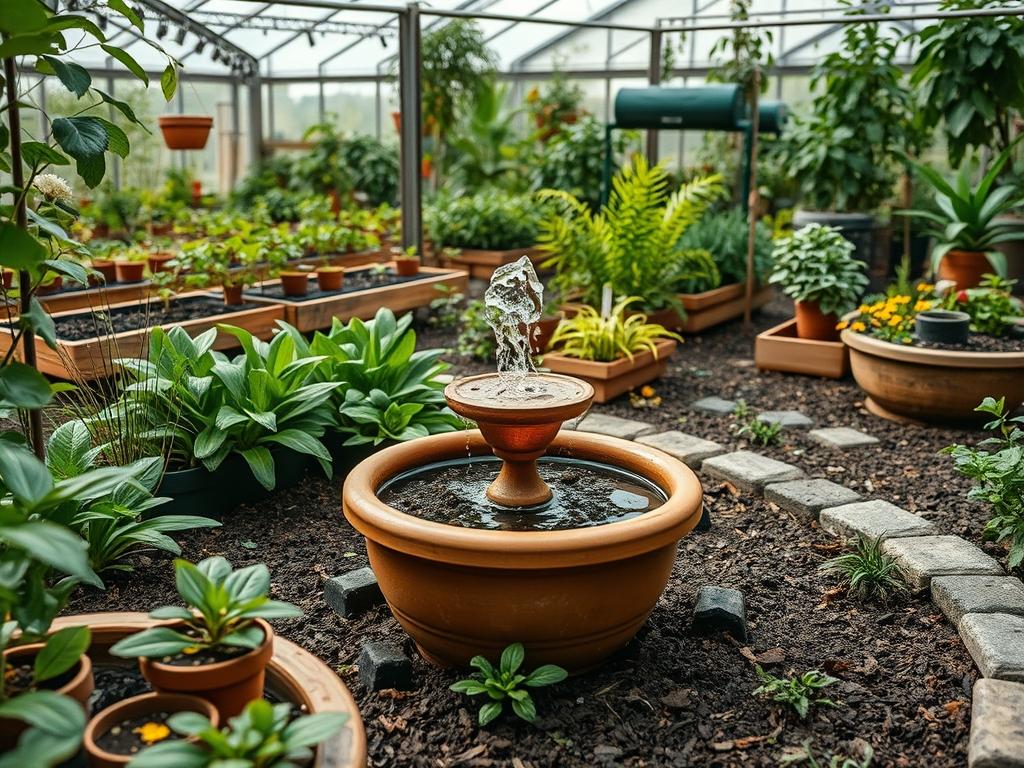
Integrating a water feature into a modern landscape provides an immediate sensory focal point, but its impact often fades into the shadows once the sun sets. Professional water feature lighting transforms these installations from daytime garden accents into dramatic architectural statements. The primary challenge for any landscape architect is balancing the ethereal quality of moving water with the technical demands of outdoor electrical systems and moisture management. Properly executed lighting does more than just illuminate; it enhances curb appeal, increases property value, and extends the functionality of outdoor living spaces into the late evening hours. Whether dealing with a sleek, contemporary sheet waterfall or a rugged, naturalistic koi pond, the interplay of light and shadow defines the mood of the entire environment. Designers must account for the specific climate and the way humidity or frost affects fixture longevity. A successful project requires a holistic approach that considers how the shimmering reflections on the water surface will interact with nearby structures, textures, and plant life.
Landscape Design Principles
Effective water feature lighting relies on the core principles of symmetry and visual balance. When planning a layout, one must identify the primary focal points, such as a large granite boulder or a cascading weir. Lighting should be layered across three distinct elevations: the underwater environment, the water surface, and the surrounding vertical elements. This creates a multidimensional experience that prevents the feature from looking flat. For instance, submersible LED lights placed at the base of a waterfall create an internal glow, while pathway lights established along the perimeter provide safety and context.
Symmetry does not always imply a mirror image; rather, it refers to the weight of the light within the frame of view. A heavily lit waterfall on the left side of a pond might require a subtle wash light on a specimen tree to the right to balance the composition. Walkways leading to the water should feature low-voltage fixtures that cast light downward, preventing glare while guiding the viewer toward the destination. Irrigation planning must also be synchronized with lighting installation. Ensure that polyethylene tubing for drip systems is buried deep enough to avoid interference with low-voltage cables or PVC conduits. By integrating these systems early in the design phase, the architect ensures that the final result feels organic rather than an afterthought.
Plant and Material Selection
Choosing the right flora to surround a water feature is essential for managing light diffusion and preventing maintenance headaches. Dense foliage can block light paths, while sparse plants might fail to hide necessary hardware. The following table provides a selection of plants well-suited for illuminated water environments.
| Plant Type | Sun Exposure | Soil Needs | Water Demand | Growth Speed | Maintenance Level |
| :— | :— | :— | :— | :— | :— |
| Japanese Maple | Partial Shade | Loamy, Acidic | Moderate | Slow | Low |
| Creeping Jenny | Full Sun/Shade | Moist, Rich | High | Fast | Moderate |
| Sweet Flag | Full Sun | Wet, Boggy | High | Moderate | Low |
| Blue Sedge | Partial Shade | Well-Drained | Moderate | Slow | Low |
| Canna Lily | Full Sun | Rich, Humus | High | Fast | Moderate |
| Black Mondo Grass| Partial Shade | Well-Drained | Moderate | Slow | Low |
Implementation Strategy
The transition from a conceptual design to a physical installation requires a methodical approach to site preparation. Begin with the grading of the area surrounding the water feature. The soil should slope away from the main basin to prevent runoff from contaminating the water or burying the lighting fixtures in silt. Once the grade is established, map out the locations for the low-voltage transformer and the primary wiring runs. It is advisable to use a trenching spade to dig paths at least 6 inches deep for the electrical lines. Encasing cables in flexible conduit provides an extra layer of protection against burrowing animals and accidental shovel strikes during future gardening tasks.
When positioning the lights, start with the primary effect. For waterfalls, place bullet spotlights at the point where the water hits the surface to capture the white foam and bubbles. If the feature is a still pond, consider “moonlighting” by mounting downlights in the canopy of a nearby Oak or Maple. This casts soft, dappled shadows across the water. For the perimeter, apply a 2-inch layer of shredded hardwood mulch or river rock to suppress weeds and conceal the bases of the fixtures. Edging should be defined using steel landscape edging or natural stone to create a clean boundary between the water feature and the turf. Finally, perform a “night aim” session. This involves adjusting the angles of every fixture after dark to eliminate “hot spots” where light is too blindingly bright, ensuring that the source of the light remains hidden while the effect is maximized.
Common Landscaping Failures
The most frequent mistake in water feature lighting is the misuse of light intensity, often called light pollution. Using too many lumens can wash out the natural movement of the water and create a harsh, institutional feel. Another critical failure involves poor drainage around the electrical junction boxes. If water pools around connections, even the highest quality IP68-rated fixtures can eventually succumb to moisture intrusion through capillary action in the wires.
Root overcrowding is another issue that designers often overlook. Planting a fast-growing Willow too close to a pond and its associated lighting can lead to root systems lifting the heavy retaining wall stones or snapping buried cables. Furthermore, failing to account for soil compaction can lead to irrigation inefficiencies. When the soil around a feature is too dense, water will not penetrate to the roots of the ornamental plants, leading to plant death and an exposed, unattractive lighting system. Lastly, many DIY installations forget to use waterproof wire nuts filled with silicone sealant, resulting in short circuits just weeks after the project is completed.
Seasonal Maintenance
A proactive maintenance schedule ensures the longevity of the lighting system and the health of the surrounding landscape. In the Spring, inspect all fixtures for damage caused by winter frost heave. Use a soft-bristled brush and white vinegar to remove mineral deposits from the glass lenses of the lights. This is also the time to refresh the mulch and check that the irrigation emitters are not spraying directly onto the light housings.
During the Summer, focus on foliage control. Prune back any aggressive growth from native plants that might be obscuring the light beams. Monitor the moisture levels around the retaining walls to ensure the soil is not pulling away from the stone as it dries. As Autumn arrives, the primary task is debris removal. Falling leaves can clog pump intakes and cover up well lights, creating a fire hazard if the bulbs stay too hot. In the Winter, if you live in a climate where the water freezes, it is often best to remove submersible lights or at least disconnect the power to prevent damage from expanding ice. Verify that the transformer is clear of snow and that the timer is adjusted for the shorter daylight hours to maintain security and aesthetic appeal.
Professional Landscaping FAQ
What is the best Kelvin temperature for water features?
A warm white light between 2700K and 3000K is ideal. This range enhances the natural colors of stone and plants while making the water look inviting rather than stark or cold.
How do I prevent glare from pond lights?
Position fixtures so they point away from the primary viewing areas, such as patios or windows. Use shrouds or glare guards on spotlights to direct the beam specifically onto the water surface or architectural features.
Can I use standard indoor extension cords for my pond?
No. Always use direct-burial outdoor-rated cable and a low-voltage transformer. Standard cords are not designed to withstand moisture, UV exposure, or soil acidity, posing a significant fire and shock risk.
Why are my LED lights flickering?
Flickering usually indicates a voltage drop or a loose connection. Check the total wattage on the run and ensure your transformer is sized correctly. Re-tighten all connections with waterproof wire connectors.
How deep should I bury my landscape lighting cables?
Cables should be buried at least 6 inches deep. If the area will be frequently aerated or tilled, consider a depth of 12 inches or encase the wires in Schedule 40 PVC conduit for maximum protection.