
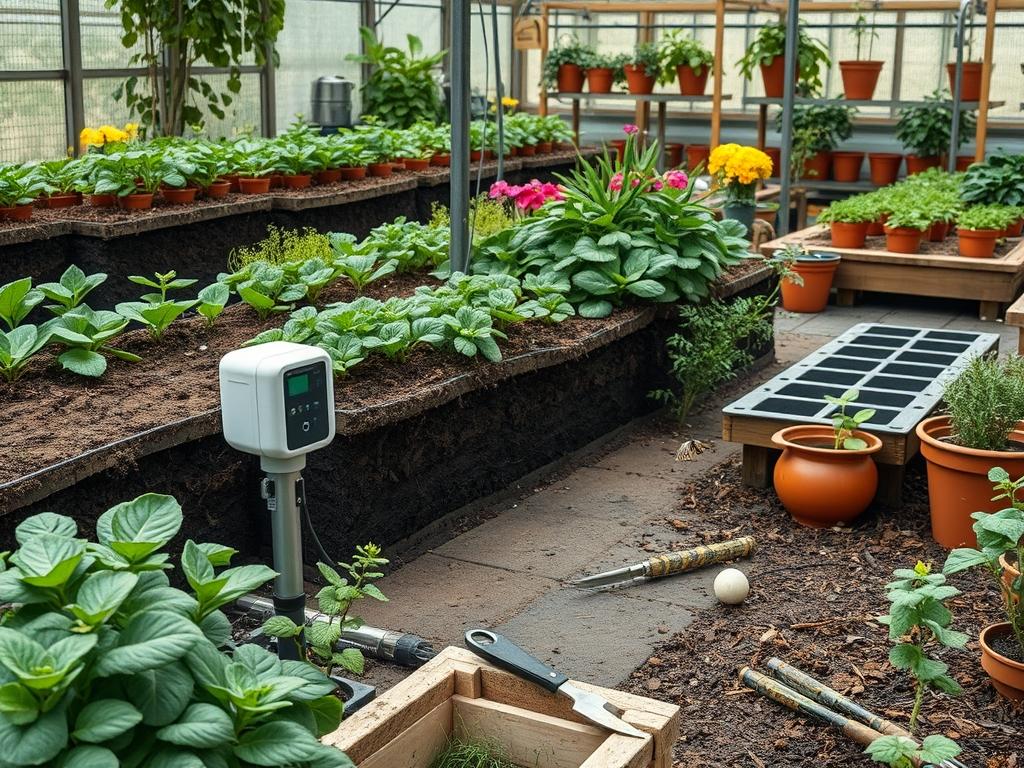
Modern landscape architecture bridges the gap between aesthetic beauty and biological necessity, creating environments that serve as functional extensions of the home. When we design a high-end outdoor space, we are not just placing plants; we are engineering a living ecosystem that must withstand fluctuating climates and microclimates. The primary challenge in contemporary landscaping is the unpredictability of the environment. A drought-prone summer or an unusually damp spring can decimate thousands of dollars in nursery stock within weeks. This is where the integration of Smart Garden Sensors transforms the profession from guesswork to precision management. These devices provide real-time data on soil moisture, ambient temperature, and sunlight exposure, allowing us to maintain curb appeal while maximizing the lifespan of the flora. By prioritizing the outdoor functionality goals of the property owner, we can ensure that every Perennial or Ornamental Tree receives exactly what it needs to thrive; no more and no less.
Effective landscaping requires a deep understanding of the property’s unique challenges, from drainage issues to soil compaction. When we implement a smart monitoring system, we are essentially giving the landscape a nervous system. This data-driven approach allows for a design that is both resilient and visually striking. If the sensors indicate a specific corner of the yard consistently retains more moisture, we can pivot from a dry-loving Mediterranean Sage to a moisture-loving Fern without waiting for the plant to show signs of distress. This proactive methodology is the hallmark of a professional-grade exterior environment, ensuring that the visual balance of the site remains intact throughout the changing seasons.
Landscape Design Principles
Successful landscape design rests on the foundational concepts of symmetry, focal points, and elevation layers. Symmetry provides a sense of order and elegance, often achieved through mirrored plantings or structured walkways. However, symmetry is difficult to maintain if the environmental conditions on one side of a path differ from the other. Smart Garden Sensors allow us to detect these variances. For instance, a Stone Retaining Wall might reflect heat back into the soil on the left side of a garden, while the right side remains cool. By monitoring these heat signatures, we can adjust irrigation timing to keep both sides looking identical.
Elevation layers are equally critical for visual depth. We categorize these as the groundcover, the middle-tier shrubbery, and the canopy. Each layer has specific needs regarding light and irrigation. A Smart Garden Sensor placed at the base of a dense Hedge might show that the canopy is blocking rainfall from reaching the roots, necessitating a custom irrigation plan. Furthermore, focal points such as a large Specimen Tree or a water feature require consistent monitoring to ensure they remain the centerpiece of the design. Irrigation planning must be integrated into the initial layout, using a Drip Line System that connects directly to sensor hubs. This ensures that walkways remain dry and water is delivered directly to the root zone, preventing the runoff that often plagues poorly designed yards.
Plant and Material Selection
The following table outlines high-performance selections for a balanced landscape, noting the specific demands that can be tracked via digital monitoring systems.
| Plant Type | Sun Exposure | Soil Needs | Water Demand | Growth Speed | Maintenance Level |
| :— | :— | :— | :— | :— | :— |
| Boxwood | Full Sun to Part Shade | Well-Drained/Loam | Moderate | Slow | Low |
| Japanese Maple | Part Shade | Acidic/Rich | High | Moderate | Medium |
| Lavender | Full Sun | Sandy/Gritty | Low | Moderate | Low |
| Hydrangea | Part Shade | Consistently Moist | High | Fast | High |
| Blue Star Creeper | Full Sun to Part Shade | Moist/Well-Drained | Moderate | Fast | Low |
| Feather Reed Grass | Full Sun | Adaptable | Low to Moderate | Fast | Low |
Implementation Strategy
The transition from a design blueprint to a flourishing backyard begins with proper site preparation. The first step involves grading the land. A professional grade usually requires a 2% slope away from the home foundation to prevent basement flooding and soil saturation. Once the grading is established, we outline the zones for hardscaping and softscaping. Smart Garden Sensors should be installed during the planting phase. We place them at varying depths; some near the surface for shallow-rooted Annuals and some deeper, perhaps 12 inches, for established Shrubs.
When installing Hardscaping materials like Pavers or Flagstone, it is vital to account for the “Heat Island Effect.” These materials absorb sun during the day and radiate it at night, which can stress nearby plantings. After the hardscape is set, we turn to edging. Steel Edging or Concrete Curbing provides a clean line between the lawn and the planting beds, preventing grass from encroaching on delicate root systems. Finally, we apply a layer of Mulch, ideally 3 inches of Organic Cedar or Hardwood Bark. This layer acts as insulation and moisture retention, and its effectiveness can be verified by the moisture readings from your sensors. By layering these steps, you create a structured environment that is easy to manage through your digital hub.
Common Landscaping Failures
The most frequent failures in residential landscaping involve poor drainage and soil structural issues. Many homeowners make the mistake of overwatering when they see a plant wilting, not realizing that wilting is also a symptom of root rot caused by stagnant water. Without Smart Garden Sensors, it is impossible to know what is happening beneath the surface. Soil compaction is another silent killer; it occurs when heavy foot traffic or construction equipment crushes the air pockets in the soil, preventing roots from breathing. In these cases, sensors will often show a rapid decline in moisture because the water simply runs off the hard surface instead of penetrating the earth.
Improper spacing is another common error. In an attempt to achieve instant curb appeal, homeowners often plant Trees and Shrubs too close together. This leads to root overcrowding and a competition for nutrients. Furthermore, irrigation inefficiencies often stem from “ghost watering,” where automated timers run during rainstorms or in the heat of the day when evaporation is at its peak. Utilizing a sensor-linked Smart Controller eliminates this waste by cancelling watering cycles based on real-time soil saturation and local weather forecasts.
Seasonal Maintenance
Landscape management is a year-round commitment that changes with the sun’s trajectory. In the spring, the focus is on reactivation. This is the time to check sensor batteries and recalibrate the system. We perform aeration to combat winter soil compaction and apply a Slow-Release Fertilizer. The data from your sensors will indicate when the soil temperature has reached a consistent 55 degrees Fahrenheit, which is the ideal threshold for many seed varieties to germinate.
Summer maintenance is primarily about hydration and stress management. During peak heat, the Smart Garden Sensors will likely show rapid moisture depletion. This is when we rely on deeply scheduled watering sessions in the early morning to minimize fungal growth. In the autumn, we shift the focus to root development and winterization. We reduce nitrogen fertilizers and increase potassium to strengthen plant cell walls. Sensors help us determine when the ground is beginning to freeze, signaling the final deep soak of the season for Evergreens. During winter, even though the plants are dormant, the sensors can track soil temperature to help you decide when to apply extra Straw or Burlap Wraps to protect sensitive species from frost heave.
Professional Landscaping FAQ
How many sensors do I need for a standard yard?
Generally, you should place one sensor per irrigation zone or distinct microclimate. This includes separate sensors for high-sun areas, shaded corners, and containers. Proper placement ensures the data represents the unique needs of different plant groupings across your entire property.
Can these sensors connect to my existing sprinkler system?
Most modern sensors are designed to integrate with Smart Irrigation Controllers via Wi-Fi or Bluetooth. This connection allows your system to automatically skip watering cycles if the soil moisture level is already sufficient, saving both water and money.
Do sensors work in heavy clay or sandy soil?
Yes, but you must calibrate them for your specific soil texture. Clay retains moisture longer than sand; therefore, the “threshold” for watering will be different. Most high-quality sensor apps allow you to input your soil type for more accurate readings.
How deep should I bury my garden sensors?
For lawns and groundcover, a depth of 3 to 4 inches is sufficient. For larger Shrubs or Trees, you should place the sensors closer to 8 to 12 inches deep to accurately monitor the moisture levels within the primary root ball.
How do I maintain sensors over the winter?
If you live in a region with hard freezes, it is best to remove the sensors from the ground to prevent the casing from cracking. Clean the probes with a damp cloth, remove the batteries, and store them in a dry, room-temperature environment until spring.