
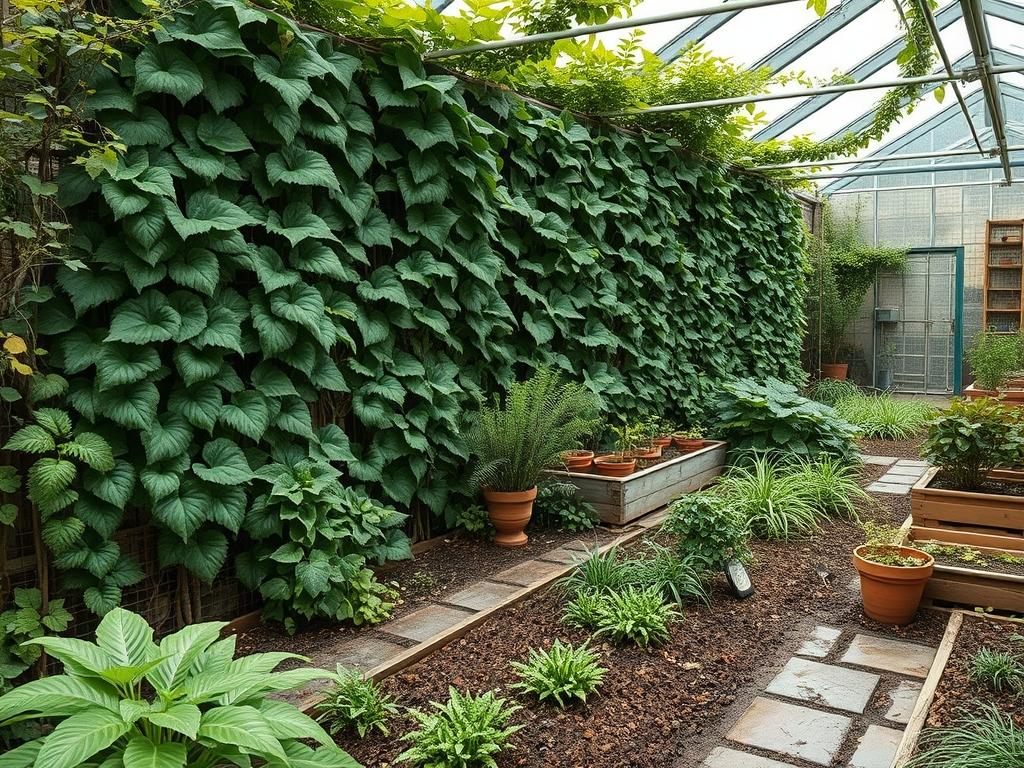
The transformation of a standard perimeter into a lush, living screen requires more than a casual planting of vines. It demands a rigorous approach to vertical horticulture and spatial engineering. Backyard privacy ivy walls serve as functional architecture, providing acoustic dampening, temperature regulation, and a psychological sense of seclusion that traditional timber fencing cannot match. When planning these installations, a landscape architect must consider the site microclimate, the structural integrity of the supporting substrate, and the long term maintenance cycle of the organic material. A well designed green wall does more than hide a neighbor’s second story window; it creates a structured backdrop that enhances the perceived depth of the lot and improves the overall curb appeal. For homeowners in varying climates, the success of these features depends on selecting the right species and ensuring that the initial infrastructure is robust enough to handle the sheer weight of mature foliage.
Landscape Design Principles
Effective landscape design is rooted in the balance between hardscaping and softscape elements. When integrating backyard privacy ivy walls, the primary objective is to create visual harmony through symmetry and focal points. A massive, monolithic green wall can feel overwhelming if not broken up by architectural disruptions. Designers often use retaining walls, stone columns, or decorative trellises to segment the ivy, creating a rhythmic pattern that leads the eye across the property. Elevation layers also play a critical role. By planting at varying heights, or utilizing tiered planters, you can ensure that the greenery reaches the top of the structure faster while maintaining dense coverage at the base.
Walkways and transition zones should be considered during the initial planning phase. An ivy wall that sits directly against a high traffic path can become an obstruction if not managed with a clear edging strategy. Furthermore, visual balance is achieved by contrasting the fine texture of the ivy leaves with coarser materials, such as flagstone pavers or large scale basalt boulders. Irrigation planning must be subterranean or hidden behind the foliage to maintain a clean aesthetic. Using 0.25 inch micro-irrigation lines allows for precise water delivery directly to the root zone without creating unsightly surface runoff or staining the supporting structure.
Plant and Material Selection
Selecting the correct species ensures that the wall thrives within your specific USDA hardiness zone. Not all climbing plants are created equal; some use adhesive pads, while others require physical twining supports.
| Plant Type | Sun Exposure | Soil Needs | Water Demand | Growth Speed | Maintenance |
| :— | :— | :— | :— | :— | :— |
| English Ivy | Part Shade to Shade | Rich, well drained | Moderate | Fast | High |
| Boston Ivy | Full Sun to Shade | Loamy, moist | Moderate | Very Fast | Moderate |
| Persian Ivy | Part Shade | Alkaline to Neutral | Low to Moderate | Medium | Low |
| Creeping Fig | Full Sun to Part Shade | Moist, fertile | High | Fast | High |
| Virginia Creeper | Full Sun to Shade | Adaptable | Low | Fast | Moderate |
Implementation Strategy
The successful installation of backyard privacy ivy walls begins with professional site preparation. First, the grading must be checked to ensure that water moves away from the foundation of any adjacent structures. If the ivy is intended to grow on a freestanding wall, a drainage pipe or French drain should be installed at the base to prevent soil saturation. The next step involves the structural support system. While some ivy species can cling to masonry, it is often safer for the longevity of the structure to install a stainless steel cable system or galvanized wire mesh. This provides a gap between the foliage and the wall, allowing for airflow and preventing trapped moisture from degrading the mortar.
When planting, space the containers approximately 12 to 18 inches apart to ensure quick coverage without immediate root overcrowding. Use a post hole digger or transplanting spade to create holes twice the width of the root ball. Before placing the plants, amend the native soil with organic compost and expanded shale to improve aeration. Once the plants are in the ground, apply a 3 inch layer of cedar mulch or pine bark to regulate soil temperature and suppress weeds. It is essential to manually “train” the initial vines onto the support structure using biodegradable garden twine or plastic nursery clips to encourage upward growth.
Common Landscaping Failures
The most frequent error in vertical gardening is the neglect of structural weight calculations. A mature English Ivy wall can weigh hundreds of pounds when wet, which can cause flimsy wooden fences to sag or collapse. Another common failure is improper irrigation timing. Using overhead sprinklers on ivy walls often leads to fungal diseases like leaf spot or powdery mildew. Instead, professionals favor pressure-compensated emitters located at the base.
Root overcrowding and soil compaction are silent killers in narrow planting strips. If the soil becomes too dense, water cannot reach the deep roots, leading to “die-back” in the center of the wall. Additionally, many homeowners fail to account for the invasive nature of certain species. Without a root barrier or a 12 inch buffer zone of gravel, ivy can quickly escape the vertical plane and invade lawn areas or nearby garden beds. Finally, planting high maintenance vines in areas that are inaccessible for pruning leads to a shaggy, unkempt appearance that detracts from the property value.
Seasonal Maintenance
To maintain the architectural integrity of backyard privacy ivy walls, a seasonal management schedule is vital. During the spring, focus on growth stimulation. Apply a balanced 10-10-10 slow-release fertilizer and inspect the irrigation controllers for any leaks or clogged lines. This is also the time for aggressive pruning to remove any winter kill or dead wood that may be hiding under the new growth. As the summer heat intensifies, increase the watering frequency, ensuring the moisture penetrates at least 6 inches into the soil profile. Watch for pests like spider mites, which thrive in dusty, dry conditions on the underside of leaves.
In the autumn, the focus shifts to containment. Trim the edges of the ivy wall to prevent it from encroaching on eaves, gutters, or windows. If you are growing Boston Ivy or Virginia Creeper, this is when you will enjoy vibrant color changes; however, you should be prepared for significant leaf litter. Raking and composting these leaves prevents them from smothering the grass at the base of the wall. Winter maintenance involves protecting the root zones. In colder regions, an extra 2 inch layer of mulch can prevent the roots from freezing and thawing repeatedly, which causes heaving. Ensure that the structural supports are still tight, as heavy snow or ice can place immense stress on the cables and anchors.
Professional Landscaping FAQ
What is the best way to prevent ivy from damaging brick?
Install a tensioned wire system or trellis at least 2 inches away from the masonry. This prevents the aerial roots from embedding into the mortar while allowing air circulation to keep the brick dry and structurally sound.
How long does it take to achieve full privacy?
With fast growing species like Boston Ivy, you can expect partial coverage within the first year and a dense, opaque privacy screen by the end of the third growing season, provided you follow a consistent fertilization schedule.
Can ivy grow in total shade?
Yes, English Ivy and Persian Ivy are highly shade-tolerant. They are excellent choices for north facing walls or narrow side yards where sun exposure is limited. However, growth will be slightly slower than in filtered sunlight.
Do ivy walls attract pests and rodents?
Dense foliage can provide cover for small animals; however, regular pruning and maintaining a 6 inch gap at the bottom of the wall discourages nesting. Keeping the area free of debris and fallen fruit also minimizes pest attraction.
Is an automated irrigation system necessary?
For vertical walls, an automated drip system is highly recommended. Because the root zone is often confined to a narrow strip, it can dry out rapidly. Consistency provided by a digital timer ensures the foliage remains lush and green.