
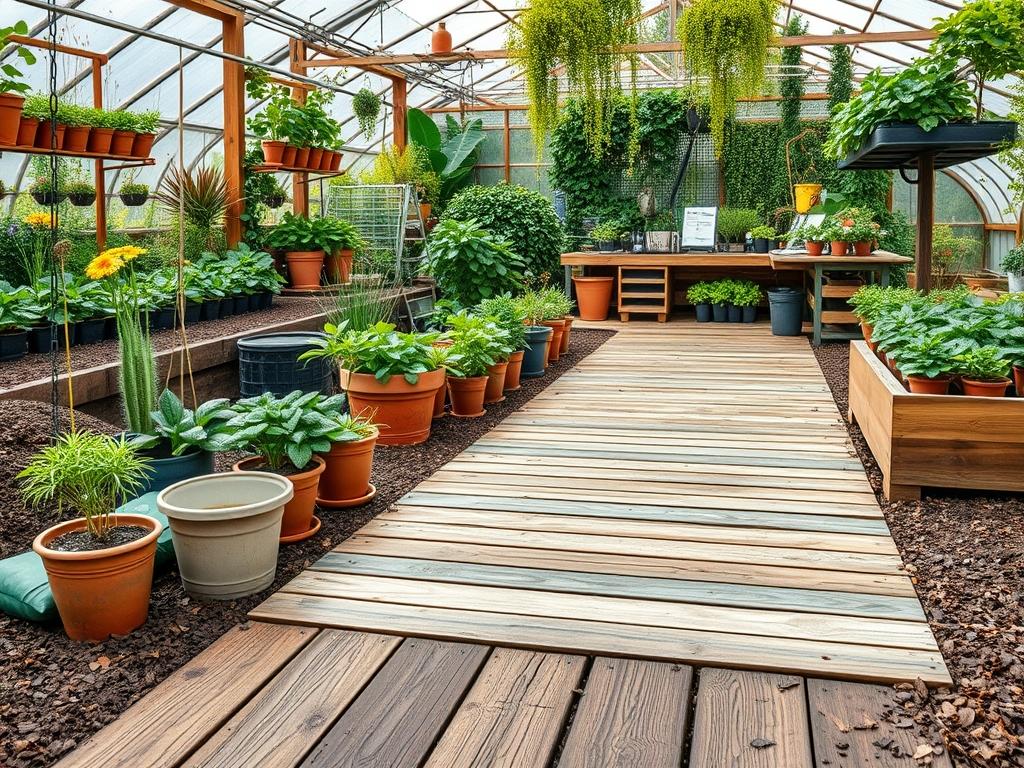
The evolution of residential architecture has redefined the boundary between interior comfort and the rugged outdoors. For the modern homeowner, the deck is no longer a peripheral addition but a central sanctuary that dictates the flow of the entire backyard. Choosing the right modern deck surface options requires a calculated balance of aesthetics, durability, and regional environmental factors. A deck in the humid Southeast faces different stressors than one in the arid Southwest; therefore, the material choice must be an informed response to local climate patterns. This selection influences property value, daily functionality, and the long term maintenance burden. As landscape architects, we view the deck surface as the foundation of an outdoor room. It is a choice that must harmonize with existing topography, architectural motifs, and the specific lifestyle needs of the inhabitants.
Curb appeal is often the primary driver for deck upgrades, yet the functional integration of the surface into the broader landscape is what determines long term success. A poorly chosen material can become a heat sink in the summer or a slippery hazard in the winter, effectively rendering the space unusable for half the year. Furthermore, the transition from the deck to the garden must feel intentional. This is achieved through thoughtful grading and the strategic placement of hardscape elements. By treating the deck as a structural component of the garden rather than an island of wood or plastic, we create a cohesive environment that enhances the living experience and invites the inhabitant to engage with nature.
Landscape Design Principles
Successful landscape integration begins with the alignment of symmetry and focal points. A modern deck should guide the eye toward a specific vista, a curated water feature, or a specimen tree. When we design these spaces, we look at the deck as a viewing platform. Symmetry creates a sense of order and calm, while a well placed focal point provides a destination for the viewer. If the deck is large, breaking the surface into distinct zones using varied board directions or contrasting perimeter boards can define “rooms” without the need for physical walls.
Elevation layers are perhaps the most effective tool in the designer’s arsenal for adding depth to a flat yard. Multi level decks allow for a natural transition between the high threshold of a back door and the lower grade of a lawn. Each level can serve a different purpose, such as a high level dining area and a lower level fire pit zone. Irrigation planning must happen concurrently with these structural decisions. It is a common mistake to install a deck over existing sprinkler lines without rerouting them. Ensure that subsurface lines are accessible and that moisture is directed away from the deck’s primary support posts to prevent premature rot or settling.
Walkways serve as the circulatory system of the landscape, connecting the deck to the rest of the garden. The materials used for these paths should complement the modern deck surface options selected. For instance, if using a Capped Polymer deck, consider large format Concrete Pavers for the walkways to maintain a clean, contemporary aesthetic. Visual balance is further achieved by mirroring the deck’s geometry in the surrounding planting beds. If the deck features sharp, ninety degree angles, the garden beds should perhaps incorporate softening curves, or vice versa, to create a harmonious tension between the built and natural environments.
Plant and Material Selection
Selecting the right combination of flora and decking materials is essential for a low maintenance, high impact environment. The following table outlines plants that pair well with modern decking structures, considering their growth habits and environmental needs.
| Plant Type | Sun Exposure | Soil Needs | Water Demand | Growth Speed | Maintenance Level |
| :— | :— | :— | :— | :— | :— |
| Boxwood | Full Sun to Part Shade | Well drained, loamy | Medium | Slow | Low |
| Lavender | Full Sun | Gritty, alkaline | Low | Medium | Low |
| Feather Reed Grass | Full Sun | Any, prefers moist | Medium | Fast | Low |
| Japanese Maple | Part Shade | Rich, acidic | Medium | Slow | Moderate |
| Creeping Thyme | Full Sun | Sandy, poor soil | Low | Medium | Very Low |
| Blue Oat Grass | Full Sun | Well drained | Low | Medium | Low |
When it comes to the deck itself, the material choice is the most significant investment. Ipe is a premium hardwood known for its incredible density and resistance to fire and insects. It offers a lifespan of over forty years but requires periodic oiling to maintain its rich brown color. For those seeking lower maintenance, Mineral-Based Composite is an excellent choice. It provides the look of wood without the risk of thermal expansion or contraction. Another high performance option is Capped Polymer, which is entirely synthetic and stays significantly cooler underfoot than traditional composites. This is a vital consideration for south facing decks that receive constant solar radiation.
Implementation Strategy
The transition from a design concept to a physical structure requires a disciplined implementation strategy. The first step in any backyard layout is a comprehensive site survey to identify the “high water mark” and existing utility lines. Once the site is cleared, grading becomes the priority. The ground beneath the deck must be sloped away from the home foundation at a rate of at least one inch per foot. This prevents water from pooling under the structure, which is a leading cause of mold and substructural decay.
After grading, we recommend laying down a heavy duty 6-mil polyethylene plastic vapor barrier covered by three inches of crushed stone or gravel. This prevents weed growth and aids in drainage. When the frame is constructed, ensure that all joists are treated with butyl joist tape. This simple addition protects the top of the lumber from moisture trapped between the deck boards and the joists, effectively doubling the life of the frame.
For the surfacing, modern installations often utilize hidden fastener systems. These clips fit into grooves on the side of the boards, providing a clean, screw free surface that mimics the look of interior hardwood flooring. When edging the deck, consider a picture frame border using a contrasting color. This not only looks professional but also hides the end grain of the boards. Finally, mulch depth in adjacent garden beds should be maintained at a consistent three inches to retain moisture for plants while providing a clean finished edge against the deck’s rim joist.
Common Landscaping Failures
The most frequent failure in deck landscaping is poor drainage. If water cannot escape the area under the deck, it will lead to soil saturation and potential shifting of the footings. Another common error is root overcrowding. Homeowners often plant fast growing privacy screens too close to the deck structure. As these plants mature, their root systems can heave the deck footers or push against the framing. Always research the mature spread of a plant and double that distance from the deck edge for safety.
Improper spacing between deck boards is another technical failure. Even modern materials like Composite require specific gaps, usually 3/16 of an inch, to allow for water drainage and air circulation. Without this gap, organic debris like pine needles and pollen can clog the seams, leading to rot. Soil compaction is another silent killer. During the construction of a deck, heavy foot traffic and machinery compact the soil around the site. This destroys the soil structure, making it difficult for new plants to take root. We recommend aerating the soil in the planting zones once the heavy construction is complete.
Seasonal Maintenance
Maintaining a modern landscape is an ongoing commitment that changes with the calendar. In the Spring, conduct a thorough inspection of the deck surface and the substructure. Look for any loose fasteners or signs of winter damage. Use a soft-bristle brush and a mild oxygenated cleaner to remove the winter grime. This is also the time to apply pre-emergent weed control to the surrounding garden beds and check the irrigation system for leaks.
Summer maintenance is focused on hydration and heat management. Monitor the moisture levels in the soil, especially for plants located near the deck’s edge, as heat radiating from the surface can dry out the earth quickly. If you have an Ipe deck, midsummer is often the best time to apply a fresh coat of UV resistant oil if the color has begun to fade.
In Autumn, the primary task is debris removal. Do not allow wet leaves to sit on the deck surface for extended periods, as they can cause staining and create a slip hazard. Clean out the gaps between the boards using a plastic putty knife to ensure airflow. This is also the ideal season for planting new perennials and shrubs, allowing them to establish roots before the ground freezes.
Winter care involves protecting the surface from ice and snow. Avoid using metal shovels, which can scratch Capped Polymer or Composite surfaces; instead, use a plastic shovel with a rubber edge. Never use rock salt on a modern deck surface, as the chemicals can cause pitting or discoloration. Instead, use sand or a deck safe ice melt product specifically approved by the manufacturer.
Professional Landscaping FAQ
What is the best modern deck surface for high traffic?
Capped Polymer and Mineral-Based Composite are superior for high traffic. They resist scratches, stains, and fading better than traditional wood. These materials offer a dense, protective outer shell that maintains its aesthetic integrity even under heavy daily use by pets and children.
How do I prevent weeds from growing under my deck?
Install a 6-mil vapor barrier or heavy duty landscape fabric directly on the graded soil. Cover this with three inches of gravel. This combination blocks sunlight and prevents seeds from reaching the soil, ensuring a clean, maintenance free area beneath your structure.
Can I install a fire pit directly on a composite deck?
Never place a fire pit directly on the deck surface. You must use a fire resistant deck mat or build a dedicated stone or masonry transition zone. High heat will melt composite and polymer materials, causing irreversible structural and aesthetic damage to the surface.
How do I choose between wood and composite for my climate?
In high moisture or coastal areas, Composite or PVC is preferable because it will not rot or warp. In stable, dry climates, exotic hardwoods like Ipe or Tigerwood provide unmatched natural beauty and can last decades if they are properly oiled and maintained.
What is the most effective way to clean a modern deck?
Use a mixture of warm water and mild dish soap with a soft-bristle brush. For stubborn stains, an oxygen bleach cleaner is effective. Avoid high-pressure washers at close range, as they can etch the surface of the boards and void your manufacturer warranty.