
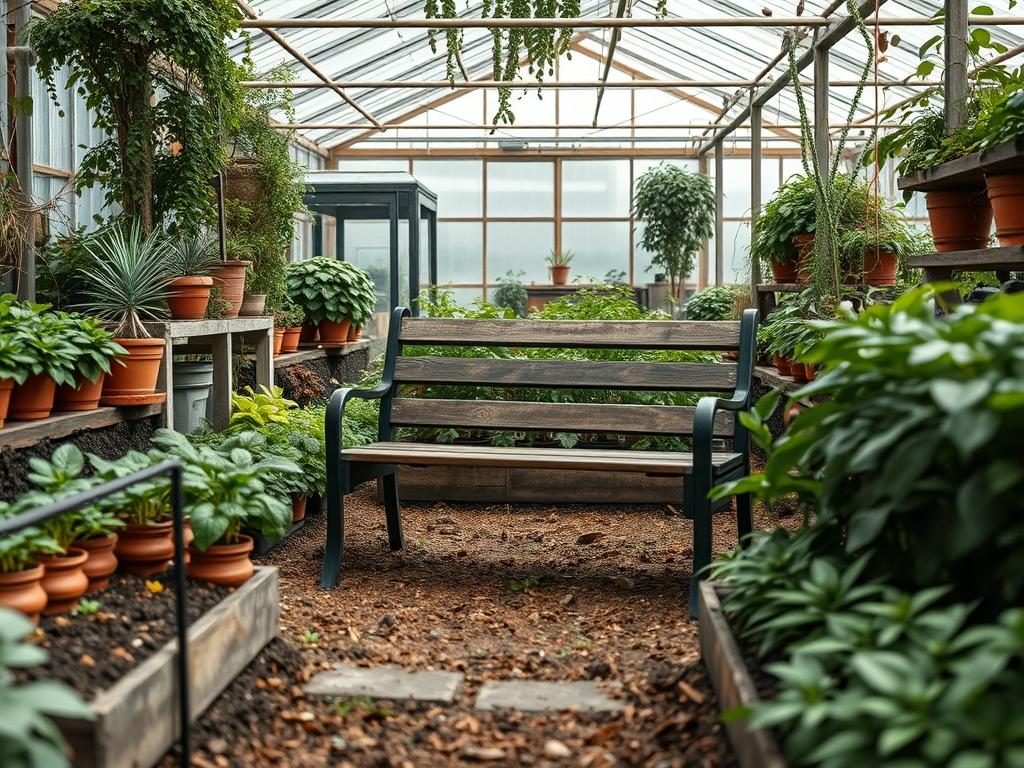
Selecting the ideal location for a garden bench is an exercise in both spatial geometry and sensory awareness. A bench is not merely a piece of furniture; it is a destination within the landscape that dictates how a viewer interacts with the environment. When a landscape architect approaches a site, the first consideration is the anchor point. This is the spot where the eye naturally rests or where the architecture of the home calls for a visual transition. To achieve the perfect outcome, one must evaluate the micro-climate of the yard, the seasonal shifts in light, and the overall functionality of the outdoor living space. A poorly placed bench feels like an afterthought, while a well-positioned one creates a sense of permanence and intentionality that boosts curb appeal and provides a sanctuary for the homeowner.
Positioning involves more than just finding a flat patch of grass. It requires an understanding of how the sun moves across the sky at different times of the year. A bench intended for morning coffee should face the east to capture the first rays of light, whereas a reading nook might benefit from the dappled shade of a northern exposure. Furthermore, the bench must serve as a focal point that draws the observer through the garden. By placing seating at the end of a long vista or tucked into a private alcove, you create a narrative flow within the landscape. The goal is to balance the aesthetic weight of the bench with the surrounding organic forms, ensuring it feels integrated rather than imposed upon the terrain.
Landscape Design Principles
Effective landscape design relies on the core principles of symmetry, proportion, and elevation. When planning for Outdoor Bench Placement, one must consider the visual axis of the property. For a formal garden, a bench should be centered perfectly on a walkway or framed by symmetrical plantings like European Hornbeam or Boxwood to create a sense of order. In more naturalistic or xeriscape designs, placement should follow the contours of the land. Utilizing Retaining Walls to create a level change behind the bench can offer a sense of security, often referred to as the prospect-refuge theory, where a person feels most comfortable with a solid barrier behind them and a clear view of the surrounding area.
Elevation layers are critical for preventing a flat, uninspired look. A bench set on a slightly raised stone plinth or a Concrete pad gains a regal quality and remains dry during heavy rains. This elevated position also allows for better Irrigation Planning, as it prevents water from pooling around the feet of the furniture. Integrating the bench with Walkways ensures accessibility, but it is wise to set the bench back at least 18 inches from the edge of the path. This “offset” prevents the legs of the bench from obstructing foot traffic and provides a dedicated zone for a different ground material, such as Pea Gravel or Decomposed Granite, which adds textural contrast to the design.
Plant and Material Selection
The vegetation surrounding a bench determines the atmosphere and maintenance requirements of the area. Use the following table to select plants that complement a seating area based on environmental needs.
| Plant Type | Sun Exposure | Soil Needs | Water Demand | Growth Speed | Maintenance Level |
| :— | :— | :— | :— | :— | :— |
| Lavender | Full Sun | Sandy, Lean | Low | Medium | Low |
| Japanese Forest Grass | Part Shade | Rich, Moist | Moderate | Slow | Low |
| Boxwood | Full to Part Sun | Well-drained | Moderate | Slow | Medium |
| Hydrangea | Part Sun | Loamy, Rich | High | Fast | High |
| Creeping Thyme | Full Sun | Well-drained | Low | Fast | Low |
| Japanese Maple | Filtered Sun | Acidic, Loamy | Moderate | Slow | High |
Material selection for the bench itself should reflect the local climate. Teak or Ipe are excellent for humid environments due to their natural oils, which resist rot. In arid regions, Powder-Coated Aluminum or Cast Iron provides durability without the risk of warping from intense heat. For a permanent, architectural look, Natural Stone or Masonry benches can be built directly into Retaining Walls, though they require a higher initial investment in labor and materials.
Implementation Strategy
The actual installation of a garden bench starts with site preparation. One of the most common mistakes is placing a bench on raw soil or directly on the lawn. Over time, the weight of the bench and the user will cause the legs to sink, leading to an uneven seat and potential structural damage. Begin by marking the footprint of the seating area with a Level and String Line. For a standard 4-foot bench, clear a space that is roughly 6 feet wide to allow for surrounding plantings or decorative containers.
Grading is the next vital step. Ensure the ground slopes away from the bench area at a rate of roughly 1 percent to facilitate proper Drainage. Once the area is graded, install a layer of Geotextile Landscape Fabric to suppress weeds. On top of this, add a 4-inch base of Crushed Limestone or Road Base, which should be compacted using a Plate Compactor or Hand Tamper. This creates a stable, non-shifting foundation. For the final surface, you may choose to install Pavers, Flagstone, or a thick layer of Hardwood Mulch. Ensure the Mulch Depth is maintained at 3 inches to protect the base while providing a soft aesthetic. If the bench is heavy, such as a Concrete or heavy Oak piece, consider pouring small Concrete Piers beneath each leg to ensure permanent stability.
Common Landscaping Failures
A significant failure in bench placement is ignoring the long-term impact of root systems. Placing a bench too close to a young tree can lead to Soil Compaction around the root flare, which restricts the tree’s ability to take in oxygen and nutrients. Conversely, as the tree grows, its roots may lift the bench or the surrounding pavers, creating a trip hazard. Always research the mature spread of a tree’s root zone before committing to a permanent hardscape installation nearby.
Another frequent oversight is the lack of a proper French Drain or drainage solution in low-lying areas. If a bench is located at the bottom of a slope without a way for water to escape, it will sit in a mud pit for several days after a storm. This not only destroys the base materials but also leads to mosquito breeding and fungal growth in the surrounding plants. Additionally, improper spacing between the bench and nearby shrubbery can result in a “claustrophobic” feel. Ensure there is at least 2 feet of clearance between the back of the bench and any dense foliage like Arborvitae to allow for air circulation and easy pruning access.
Seasonal Maintenance
To keep a garden bench area looking professional, one must adhere to a seasonal schedule. In the spring, inspect the foundation for any settling that occurred during the winter freeze-thaw cycles. This is the time to refresh the Mulch and apply a pre-emergent herbicide to prevent weeds from encroaching on the seating area. If the bench is made of wood, a light sanding and a fresh coat of Linseed Oil or Sealer will prepare it for the intense summer sun.
During the summer months, focus shifts to Irrigation. Ensure that sprinkler heads are not spraying directly onto the bench, as consistent moisture will cause wood to rot and metal to rust prematurely. In the autumn, keep the area clear of fallen leaves and debris. Decaying organic matter can stain Flagstone and provide a home for pests. For the winter, if the bench is not a permanent masonry fixture, it is often best to cover it with a heavy-duty Canvas Tarp or move it into a shed. For permanent installations, ensure that any nearby Water Features are drained so that spray doesn’t freeze onto the bench surface, creating a slip risk.
Professional Landscaping FAQ
How can I determine the best view for my bench?
Sit in a folding chair at various points in your garden during different times of day. Focus on what you see at eye level and identify the most tranquil, aesthetically pleasing vista before installing permanent footings.
What is the best ground cover for under a bench?
Pea Gravel or Decomposed Granite are excellent choices. They provide a stable, self-leveling surface that allows for superior drainage and prevents mud splashes on the bench legs during heavy rainstorms, keeping the area much cleaner.
Can I place a bench on a steep slope?
Yes, but you must first install a small Retaining Wall to create a flat terrace. Use Pressure-Treated Lumber or Wall Blocks to level the area and fill with compacted gravel to provide a secure foundation.
How do I stop my wooden bench from rotting?
Ensure the legs are not in direct contact with soil. Place the bench on Pavers or Stone. Apply a high-quality water repellent every year and ensure there is plenty of airflow around the base to prevent moisture buildup.
Is it better to have a bench with or without a back?
Backless benches are superior for narrow paths where you want to maintain an open view. Benches with backs are preferred for designated “rest areas” where comfort is the priority for long-term sitting and relaxation.