
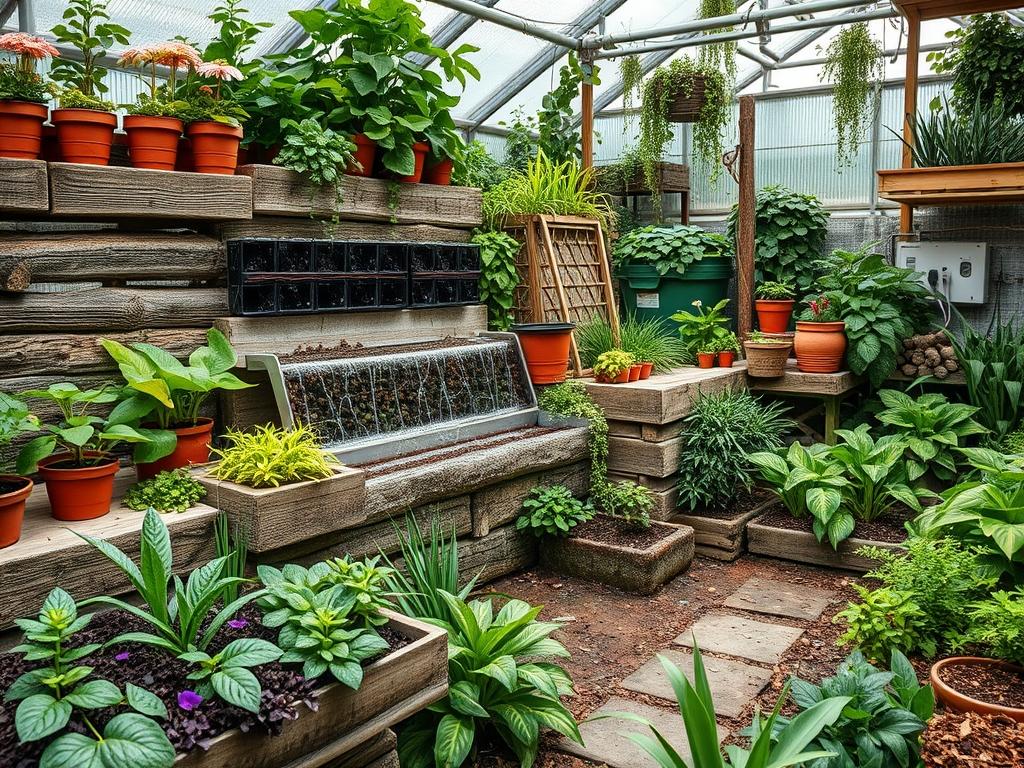
Creating a sophisticated outdoor sanctuary often hinges on the ability to balance sensory appeal with structural precision. Modern Water Wall Designs represent the pinnacle of this balance, offering a blend of architectural rigidity and fluid movement. In contemporary landscaping, the challenge frequently involves limited horizontal space. Modern properties, particularly in urban environments, often lack the square footage for sprawling ponds or meandering streams. The water wall solves this by utilizing vertical planes, transforming a flat boundary into a dynamic focal point. This architectural element serves multiple functions beyond simple aesthetics. It provides acoustic masking, which effectively filters out neighborhood noise, and creates a cooling microclimate through evaporative cooling. A well-placed water feature also significantly boosts curb appeal, signaling a high-end, custom approach to outdoor living. Whether the goal is to create a meditative retreat or a high-impact entertainment zone, the integration of a water wall requires a deep understanding of hydraulic flow, material science, and spatial geometry.
Landscape Design Principles
The success of Modern Water Wall Designs depends on the application of core landscape design principles, specifically symmetry and visual balance. A water wall acts as a Visual Anchor, drawing the eye toward a specific terminus in the garden. When placed at the end of a long Walkway, it creates a sense of arrival. Symmetry is often preferred in modern designs, with the water wall positioned centrally within a frame of Hardscaping or evergreen foliage. However, an asymmetrical placement can also work effectively if balanced by a large Specimen Tree or a heavy Retaining Wall on the opposing side.
Elevation layers play a crucial role in how the water feature interacts with the rest of the site. By varying the height of the surrounding Planter Beds or using multilevel Stone Patios, you can create a sense of depth that makes a small garden feel much larger. Irrigation planning must be addressed during the initial design phase. While the water wall itself is a closed-loop system, the surrounding landscape requires an independent Drip Irrigation network to ensure that moisture-loving plants do not suffer from the localized humidity or potential overspray. Incorporating different Elevation Layers allows the water to fall at varying speeds, which alters the sound profile of the feature. Thin, sheer descents produce a delicate, glass-like sheet of water, while textured surfaces like Stacked Slate create a louder, more turbulent white noise.
Plant and Material Selection
Selecting the right materials determines the longevity and aesthetic “cleanness” of the design. Stainless Steel, Corten Steel, and Tempered Glass are the hallmarks of the modern style. These materials provide the smooth surfaces necessary for a perfect “sheet” flow. When it comes to the surrounding flora, the goal is to complement the sleek lines of the feature without obscuring them.
| Plant Type | Sun Exposure | Soil Needs | Water Demand | Growth Speed | Maintenance Level |
| :— | :— | :— | :— | :— | :— |
| Japanese Forest Grass | Partial Shade | Humus-rich | Moderate | Slow | Low |
| Horsetail Reed | Full/Partial | Boggy/Wet | High | Fast | Moderate |
| Blue Fescue | Full Sun | Well-draining | Low | Moderate | Low |
| Silver Falls Dichondra | Full/Partial | Sandy/Loam | Moderate | Fast | Low |
| Black Mondo Grass | Partial/Full | Moist/Acidic | Moderate | Slow | Very Low |
| Canna Lily | Full Sun | Rich/Moist | High | Fast | Moderate |
For the wall surfacing, Honed Basalt or Large Format Porcelain Pavers provide a minimalist backdrop that allows the movement of the water to remain the primary focus. Avoid highly porous stones like certain limestones, as they can develop calcium buildup that is difficult to remove without damaging the stone.
Implementation Strategy
Planning the layout for Modern Water Wall Designs begins with a comprehensive site analysis. The first step involves Grading the area to ensure that surface runoff moves away from the foundation of the water wall. A stable footer, usually a 6-inch Reinforced Concrete Slab, is necessary to support the weight of the wall and the Water Reservoir. The reservoir, or basin, is typically buried underground and covered with River Rocks or Decorative Cobblestone to create a “disappearing” effect.
Next is the plumbing and pump installation. A high-quality Submersible Pump is the heart of the system. It should be rated for a flow rate that matches the width of the weir, generally 50 Gallons Per Hour (GPH) for every inch of spillway width. The use of 1-inch Flexible PVC Pipe is recommended to minimize friction loss and prevent bursting during temperature fluctuations. Once the structure is built, applying a Liquid Waterproofing Membrane to the interior of the wall prevents moisture from seeping into the core masonry. Finally, install a Splash Guard or adjust the depth of the basin stones to minimize water loss due to wind or turbulence. Mulch Depth around the base should be maintained at 3 inches to suppress weeds and retain soil moisture for the surrounding accent plants.
Common Landscaping Failures
The most frequent failure in water wall construction is improper drainage. If the surrounding soil becomes saturated, it can lead to Soil Compaction or hydro-static pressure that tilts the wall, causing the water to flow unevenly. Another common mistake is root overcrowding. Planting fast-growing species too close to the Reservoir can result in roots penetrating the liner or clogging the intake of the Submersible Pump.
Improper spacing of the wall in relation to wind patterns often leads to excessive water loss. In high-wind areas, the water sheet can be blown off the face of the wall, requiring constant topping off of the system and potentially damaging nearby salt-sensitive plants. Furthermore, neglecting the “Auto-Fill” valve often leads to pump burnout. If the water level drops below the pump intake due to evaporation, the motor will overheat and fail. Professional designers always include an Overflow Drain to manage excess water from heavy rainfall, preventing the basin from flooding the landscape.
Seasonal Maintenance
Maintaining Modern Water Wall Designs requires a disciplined seasonal schedule. In the spring, the primary focus is on cleaning. Remove any organic debris that has accumulated in the basin and scrub the wall surface with a soft brush to remove algae. Check the Pump Prefilter and replace it if the mesh is frayed. This is also the time to apply a UV-Stabilized Sealant to any natural stone surfaces.
During the summer, evaporation is the greatest concern. Check water levels weekly and monitor the Water Chemistry to prevent algae blooms. In autumn, the priority shifts to debris management. As leaves fall, they can quickly clog the pump or cause tannin staining on the wall surface. Installing a temporary Fine Mesh Screen over the basin can save hours of cleaning. For winter, in climates where the ground freezes, it is essential to winterize the system. Drain the pipes using an Air Compressor, remove the pump to store it in a bucket of water indoors, and cover the feature with a Custom-Fit Weatherproof Tarp to prevent ice from expanding in the crevices of the masonry.
Professional Landscaping FAQ
How much power does a modern water wall consume?
Most residential water walls use energy-efficient Submersible Pumps that run on standard 120V GFCI Outlets. Depending on the GPH rating, the monthly cost is often comparable to running a small household appliance or a few extra LED lights.
Can I use tap water to fill my water feature?
Yes, but be mindful of mineral content. Hard water causes calcium deposits on Stainless Steel and dark stone. Using a Water Softener or adding a scale inhibitor to the reservoir helps maintain a pristine, streak-free surface.
How do I prevent algae growth without harming birds?
Utilize Beneficial Bacteria treatments or specialized enzymes that break down organic matter. These are safe for wildlife and pets. Maintaining consistent water movement and keeping the feature in partial shade also naturally inhibits significant algae proliferation.
What is the best material for a low-maintenance water wall?
Tempered Glass and Powder-Coated Aluminum are the easiest to maintain. They resist mineral buildup better than natural stone and provide a perfectly smooth surface for a consistent water film with minimal splashing or maintenance requirements.
Will a water wall attract mosquitoes?
No. Mosquitoes require stagnant water to lay eggs. Because a water wall keeps the water in constant motion and filters it through a Submersible Pump, it is an inhospitable environment for insect larvae, making it a “vector-free” feature.