
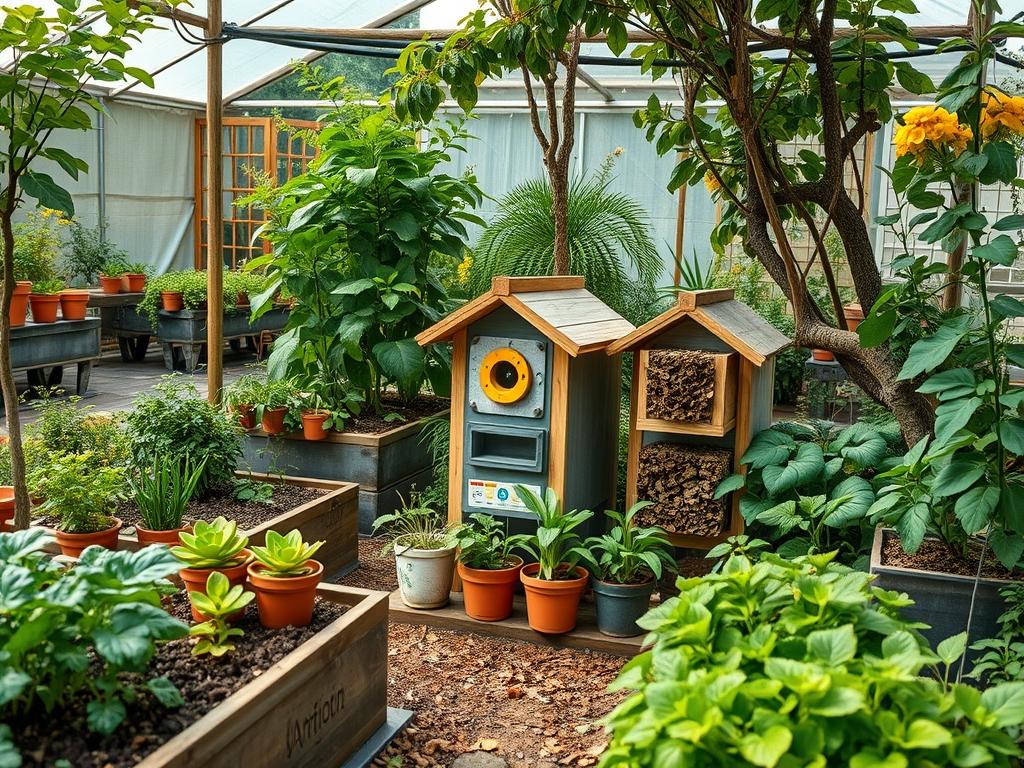
The landscape architect’s primary challenge in modern residential design involves balancing ecological necessity with high-end aesthetic appeal. Integrating backyard bee hotels into a luxury outdoor environment requires more than simply hanging a wooden box on a fence. It demands a sophisticated understanding of microclimates, site-specific orientation, and the way functional structures interact with formal garden geometry. When properly executed, these habitats enhance the local ecosystem by supporting solitary pollinators, such as mason and leafcutter bees, while serving as a compelling architectural focal point. The goal is to create a seamless transition between human living spaces and the natural world, ensuring that the installation contributes to the curb appeal and the overall property value.
Landscape Design Principles
Successful placement of backyard bee hotels relies on the core principles of symmetry and focal points. A well-designed habitat should not appear as an afterthought. Instead, it should be anchored within the garden layout, perhaps at the end of a primary sightline or as a central element within a specialized pollinator border. Symmetry can be achieved by flanking a garden entrance with two matching bee houses mounted on 4×4 pressure-treated posts, creating a sense of formal intention.
Elevation layers play a vital role in both the functionality of the hotel and its visual impact within the landscape. To provide the necessary safety for the inhabitants and to keep the structure clear of ground-level moisture, the hotel should be mounted at a height between 3 feet and 6 feet. This vertical orientation creates an interesting mid-level layer in the garden beds, bridging the gap between low-lying perennials and taller canopy trees.
Visual balance is further refined through the careful selection of surrounding textures. A cedar bee hotel with its rugged, natural texture provides a sophisticated contrast to smooth, modern retaining walls or sleek flagstone walkways. When planning the layout, designers must also consider the proximity to water. While bees need hydration, the structure itself must remain dry. Placing the hotel near a shallow decorative stone basin or a small water feature with sloping edges provides the necessary resources without compromising the structural integrity of the timber.
Plant and Material Selection
The following table outlines the essential flora and materials required to support a thriving pollinator habitat around your backyard bee hotels.
| Plant Type | Sun Exposure | Soil Needs | Water Demand | Growth Speed | Maintenance Level |
| :— | :— | :— | :— | :— | :— |
| Purple Coneflower (Echinacea) | Full Sun | Well-drained | Moderate | Medium | Low |
| French Lavender (Lavandula) | Full Sun | Sandy/Loamy | Low | Fast | Medium |
| Russian Sage (Perovskia) | Full Sun | Lean/Dry | Low | Fast | Low |
| Common Milkweed (Asclepias) | Full Sun/Part Shade | Variable | Moderate | Fast | Medium |
| Lanceleaf Coreopsis | Full Sun | Poor to Average | Low | Fast | Low |
| Wild Bergamot (Monarda) | Full Sun/Part Shade | Rich/Moist | Moderate | Fast | Medium |
For the construction of the hotel itself, use untreated cedar, redwood, or pine. Professional-grade materials for the nesting tubes include hollow bamboo stalks, paper straws, or blocks of wood pre-drilled with a variety of drill bits ranging from 3/32 inch to 3/8 inch in diameter.
Implementation Strategy
The implementation of a backyard bee hotel begins with rigorous site analysis. The structure must face south or southeast to capture the morning sun, which provides the critical warmth needed for bees to become active early in the day. Start by grading the area to ensure that surface water flows away from the mounting post. If the hotel is being integrated into an existing perennial bed, use a post-hole digger to reach a depth below the local frost line, typically 24 inches to 36 inches, and secure the post with a dry-pour concrete mix for maximum stability.
Once the post is level and set, the surrounding ground should be prepped with a layer of landscape fabric if weed suppression is a primary concern, followed by 3 inches of shredded hardwood mulch. The mulch serves as a clean border that prevents soil splash-back onto the hotel during heavy rain. Edging the area with steel landscape edging or cobblestone borders creates a defined transition between the pollinator zone and the manicured lawn.
Hardscaping elements should be positioned to protect the hotel from prevailing winds. Utilizing a privacy screen or a dense evergreen hedge on the north side of the structure creates a protected microclimate that increases the success rate of the nesting bees. If the design includes an automated drip irrigation system, ensure that the emitters are directed toward the root zones of the surrounding plants and not toward the face of the bee hotel. Excess moisture is the primary enemy of solitary bees, leading to fungal growth within the nesting tubes.
Common Landscaping Failures
One of the most frequent mistakes in backyard bee hotel placement is poor drainage. If the structure is located in a low-lying area where water collects, the wood will eventually rot and the nesting larvae may drown or succumb to mold. Proper site grading and the use of crushed stone at the base of the mounting post are essential preventative measures.
Another common failure involves root overcrowding around the base of the hotel. While dense planting is aesthetically pleasing, it can obstruct the flight paths of the bees. Bees require a clear “runway” to enter and exit their nesting tubes. Designers should maintain at least 2 feet of open space directly in front of the hotel entrance. Additionally, using treated lumber for the actual nesting blocks is a critical error. The chemicals used to preserve the wood can be toxic to the larvae. Only the ground-contact post should be chemically treated; the hotel itself must remain natural.
Soil compaction is an often overlooked issue in newly landscaped areas. Heavy machinery used during the installation of retaining walls or patios can compress the soil, leading to poor plant health and drainage issues. Aerating the soil and incorporating organic compost before planting the pollinator garden ensures that the surrounding flora can provide the consistent food source required to sustain the bee population.
Seasonal Maintenance
Landscape management is a year-round commitment that changes with the seasons. In the spring, the focus should be on cleaning. After the bees have emerged, old paper liners should be removed and the nesting blocks should be sanitized with a light bleach solution (one part bleach to ten parts water) to kill any lingering parasites or pathogens. This is also the time to apply a fresh layer of mulch to keep the soil temperature consistent.
Summer maintenance involves monitoring the irrigation system to ensure the pollinator plants are receiving adequate water during heat waves. Deadheading spent blooms on Salvia or Coreopsis will encourage a second wave of flowers, providing a continuous food source. Check the hotel for signs of predator activity, such as woodpeckers, and install a chicken wire screen over the front if necessary to protect the nests.
During autumn, leave the dead stalks of hollow-stemmed plants in the garden. Many solitary bees use these as secondary nesting sites. This is the ideal time to plant new spring-flowering bulbs, such as Crocus or Alliums, which provide the first food sources for bees in the following year.
Winter management is about protection. Do not move the backyard bee hotel indoors, as the warmth can trigger premature emergence. Instead, ensure the structure remains stable against winter winds. If you live in an area with extreme moisture, you may provide a simple plywood rain shield over the top of the hotel, provided it does not block the entrances or change the internal temperature significantly.
Professional Landscaping FAQ
What is the best orientation for backyard bee hotels?
The hotel should face south or southeast. Correct orientation ensures the structure catches the morning sun, which provides the necessary warmth for solitary bees to regulate their body temperature and begin foraging early in the day.
Can I use plastic tubes for the nesting material?
Plastic tubes are not recommended because they do not breathe. Moisture builds up inside plastic, leading to the growth of mold and fungus which can kill the bee larvae. Use natural bamboo or paper straws instead.
How far should the hotel be from my patio?
While solitary bees are docile and rarely sting, it is best to place the hotel at least 10 feet to 15 feet away from high-traffic seating areas to avoid disrupting their flight paths or causing accidental contact.
Should I paint or stain my bee hotel?
You may paint or stain the exterior of the structure to match your landscape design, provided you use non-toxic, water-based products. However, the interior nesting blocks and the holes themselves must remain completely natural and unfinished.
How do I know if bees are using the hotel?
Look for holes that are capped with mud, leaves, or resin. These visual cues indicate that a female bee has laid her eggs and sealed the chamber. Different species use different materials, creating an interesting variety of textures.